For any brewery or distillery, exceptional spirit quality doesn’t just come from masterful recipes—it relies deeply on scientific, systematic daily maintenance. From raw material storage and brewery equipment operation to the delicate environment of fermentation tanks, neglecting a single detail can compromise flavor, reduce yield, or even cause equipment failure and production stoppages, leading to unnecessary financial loss. Today, we’re breaking down the core pillars of brewery maintenance, solving common pain points, and delivering actionable care plans to help every craft producer achieve stable output and long-term success.
1. Common Brewery Maintenance Issues (The Pitfall Guide: Identify Problems Before Solving Them)
In day-to-day operations, maintenance issues are often the result of accumulated oversights. Seemingly minor neglect can snowball into major failures. These problems generally fall into four key areas that demand your immediate attention:
1.1. “Use It, Don’t Service It” Mentality for Brewery Equipment
This is the most widespread problem—many facilities focus solely on whether the brewery equipment runs, ignoring regular upkeep, which accelerates wear and shortens its lifespan. For instance, distillation pots and transfer pumps that aren’t cleaned over time develop internal scale and pipe blockages, reducing heat transfer efficiency and harboring spoilage microorganisms that contaminate the wash or spirit. Motors, bearings, and transmission parts operating without lubrication will whine, grind, or seize, potentially causing a sudden production halt. Worse still, unsafe practices—like lubricating moving machinery or running steam pressure outside specifications—significantly increase the risk of severe equipment damage.
1.2. Poor Fermentation Tank Upkeep Compromises Spirit Quality
Fermentation tanks are the heart of your operation. Their maintenance directly determines spirit flavor and purity. Recurring problems include: inadequately cleaned tank interiors where residual beer, lees, or mash breed contaminant bacteria, causing off-flavors, haze, or stuck fermentations; aging, damaged seals allowing oxygen ingress, destroying the delicate anaerobic environment, inhibiting yeast activity, and slashing alcohol yield; and uncalibrated temperature and pH sensors generating false readings that throw fermentation parameters into chaos and destroy batch-to-batch consistency. Furthermore, fermentation tanks sitting idle without proper moisture and dust protection are highly prone to rust and mold infestation.
1.3. Unstandardized Sanitation Posing Safety & Contamination Risks
Brewing demands exceptional hygiene, yet many distilleries and breweries show hygiene gaps: oily, waterlogged floors and dust- or spill-encrusted equipment surfaces become breeding grounds for bacteria and mold; damp, poorly ventilated raw material storage causes grain or koji to mold, ruining the core ingredients; improper waste disposal contaminates the environment and invites regulatory trouble; and neglected fire safety equipment (low water pressure, expired extinguishers) leaves you unable to respond to a potential ethanol leak or fire. Additionally, operator behavior like ignoring PPE or working under the influence introduces preventable safety hazards.
1.4. Lack of a Systematic Approach – No Clear Process or Records
Many small breweries haven’t built a robust maintenance system, relying instead on “experience and gut feeling.” There’s no set maintenance schedule—tasks happen when someone remembers. Without detailed logs tracking service dates, replacement parts, or fault history, troubleshooting becomes a guessing game. Responsibility is often unclear, leading to finger-pointing when breakdowns occur, and a lack of stocked critical spares prolongs any downtime.
2. How to Maintain a Brewery: A Systematic, Full-Spectrum Care Plan
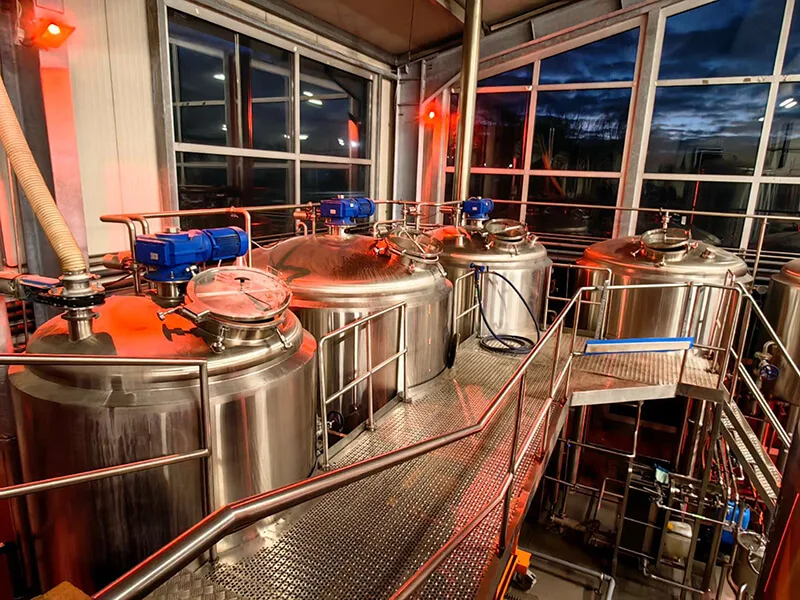
Brewery maintenance isn’t about servicing a single piece of kit; it’s a holistic approach covering equipamento para cervejarias, fermentation, sanitation, and personnel. The core philosophy is “prevention first, inspect regularly, and act immediately.” This can be broken down into four dimensions for closed-loop management.
2.1. Build a Robust Maintenance System with Clear Responsibility
Maintenance must be disciplined and documented. First, create a detailed maintenance plan defining service intervals for different equipment and areas (daily, weekly, monthly, annually). For example: daily operational checks, weekly fermentation tank cleaning, monthly sensor calibration, and annual major equipment overhauls. Next, assign clear ownership—every maintenance task should be tied to a specific position and person, enforcing the principle that “whoever maintains it, is responsible for it.” Introduce a safety observer role to encourage peer-checking for unsafe actions and maintenance gaps. Finally, maintain comprehensive logs detailing work time, actions taken, parts replaced, and asset condition. This creates an audit trail for fault tracing, plan optimization, and smarter spare-part procurement.
2.2. Strengthen Hygiene Management to Secure Product Safety
Sanitation is both the bedrock of brewing and the cornerstone of maintenance.
- Workshop Hygiene: Implement a strict 5S methodology. Daily, clean floors, walls, and equipment surfaces to remove grease, spills, and debris. Perform a deep clean weekly to prevent dust and microbe buildup, ensuring good ventilation for a healthy work environment.
- Raw Material Storage: Store grain, koji, and other ingredients in a dry, ventilated, and cool warehouse, keeping grain moisture content below 13%. Inspect regularly to prevent mold and pests; reject any compromised material. Hazardous chemicals like high-proof ethanol and methanol must be managed under dual-lock, dual-person control, stored at 15–25°C to prevent leakage.
- Waste Disposal: Oily rags and waste cloths go into designated bins; organic liquid waste must be collected in dedicated drums and handed over to a licensed waste management company—never pour it illegally.
- Fire Safety & Emergency Response: Inspect fire mains daily, test fire pumps monthly, and check extinguishers and respirators regularly. Run spill and fire drills periodically to ensure your team can confidently handle emergencies.
2.3. Zone-Based Maintenance with Focus on Core Production
Address different areas specifically to prevent omissions:
- Storage Zone: Check warehouse ventilation and dehumidifiers; clear debris that might cause ingredient spoilage.
- Brewing Zone: Focus on stills, mash tuns, and transfer pipes. Remove scale buildup and blockages, and inspect all seals to prevent vapor leaks.
- Fermentation Zone: Concentrate on the cleanliness, airtightness, and temperature control of fermentation tanks to maintain a stable biological environment.
- Spirit Storage Zone: Maintain a constant environment (15–25°C, 60–80% relative humidity). Check storage tank seals to prevent spirit leakage or evaporation, and remove sediment to ensure proper aging quality.
- Filling/Packaging Zone: Clean filling heads, calibrate fill volume accuracy to prevent contamination and spillage, and check packaging machinery to protect your product’s final appearance.
2.4. Enhance Personnel Training for Professional Upkeep
Maintenance execution depends on skilled people. Conduct regular training on equipment operating procedures, maintenance techniques, hygiene standards, and emergency response. Ensure operators understand machine principles and know the correct care methods to avoid damaging expensive brewery equipment or contaminating the product. Special focus is needed on hazardous chemical handling and confined space entry protocols. Foster a proactive culture by rewarding staff who spot equipment risks or propose practical maintenance improvements, creating a “everyone understands maintenance, everyone values maintenance” atmosphere. Hold monthly safety meetings to analyze issues and continuously refine your practices.
3. Advice for Maintaining Your Brewery Equipment (Core Asset, Intensive Care)
Your production machinery—stills, mash tuns, transfer pumps, filters, and filling lines—is the engine of your brewery. Its maintenance quality directly impacts both efficiency and spirit character. Here are four core best practices from industry experience:
3.1. Routine Cleaning to Prevent Scale and Microbial Buildup
All spirit/beer-contact surfaces must be cleaned immediately after use to prevent residue from hardening or growing bacteria. For stills and mash tuns, rinse with water, then circulate a dedicated cleaner (like a neutral detergent or a 12.5% tartaric acid solution heated to 35–40°C for copper stills) to remove scale, followed by a thorough potable water rinse and drying. Use a soft copper brush for stubborn scale, being careful not to embed copper particles. Filters need their elements cleaned regularly, with clogged cartridges replaced to avoid haze. Transfer pipes must be flushed with water after use and, if necessary, purged with nitrogen for 30 minutes to leave them dry, preventing corrosion and biofilm growth; ultrasonic cleaning can periodically remove internal biofilms.
3.2. Regular Inspection to Proactively Catch Hazards
Establish a daily inspection routine before startup, during operation, and after shutdown. Before startup, confirm all connections are tight, seals are intact, electrical wiring is undamaged, and oil levels are correct. While running, listen for unusual bearing noise and monitor vibration, temperature, and pressure; stop immediately for investigation if any anomaly occurs. After shutdown, check for wear and clean the equipment. Monthly, verify seal integrity using a soapy-water bubble test; quarterly, balance large fans; annually, conduct a teardown inspection to replace aging, worn parts like mechanical seals and gaskets, ensuring long-term reliability.
3.3. Proper Lubrication to Extend Lifespan
For machinery with moving parts (transfer pumps, agitators, filling machines), lubricate bearings, gearboxes, and chains on schedule with the correct grade of oil or grease. Clean the grease nipple before application. Never lubricate while the machine is running—always lock-out and tag-out first. For instance, agitator shaft bearings and gearboxes might need oil checks every 1-3 months, while motor bearings receive specialized grease every six months. This prevents seizure and premature wear from insufficient lubrication.
3.4. Standardized Operation to Avoid Human-Caused Damage
Many failures are operator-induced. Always follow strict startup and shutdown procedures. When operating a still, never blast steam directly into the column head; control steam pressure below 0.05 MPa to prevent high-temperature ethanol flash into an explosive atmosphere. Before running a vacuum pump, check the oil reaches the 1/2 sight glass mark and temperature is below 50°C; never start the motor if oil temp exceeds 60°C. Never run equipment beyond its rated capacity. Before servicing an electrical cabinet, cut the main power, lockout-tagout, and test the lines with insulated tools. Encourage operators to call professional service rather than attempting unqualified repairs, which often cause secondary damage.
4. Proven Techniques for Fermentation Tank Maintenance (The Core Process, Precision Care)
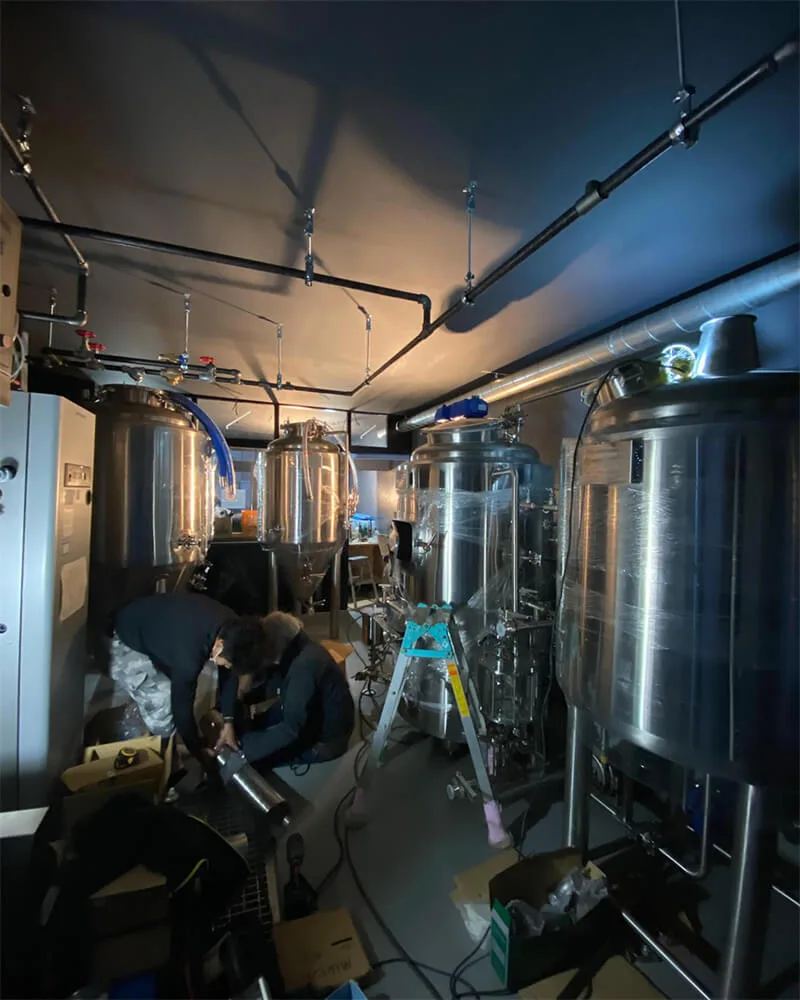
Fermentation tanks are where sugar transforms into alcohol, making their care fundamental to your spirit’s taste and yield. Maintenance here must be meticulous, precise, and centered on sterility, sealing, and parameter stability. Here are four practical techniques:
Technique 1: Make Clean & Sterilize a Habit to Eliminate Contamination
Microbial contamination is the single greatest threat. After every fermentation, immediately drain residual material, remove agitators, baffles, and sample ports, and use a high-pressure washer to scour interior walls, bottoms, and shadow zones. Follow with a hot (60°C) 2–3% caustic (NaOH) solution circulated for 30 minutes, then rinse until pH-neutral. Sterilization comes next: use steam-in-place at 121°C for 20–30 minutes, or a food-grade peracetic acid soak. After sterilizing, drain any condensate and keep the tank dry to prevent regrowth. Replace air filter cartridges monthly to block airborne contaminants. For earthenware / clay fermentation tanks, avoid scratching the glaze with hard brushes; sanitize by spraying with 75% food-grade alcohol, let sit for 2–4 hours, then ventilate to dry.
Technique 2: Strictly Control Seal Integrity to Stabilize the Fermentation Environment
Fermentations need precise temperature and anaerobic (oxygen-free) control. Regularly inspect all gaskets, O-rings, and mechanical seals on your cubas de fermentação monthly, checking elasticity and signs of cracking or deformation—replace immediately if compromised. For clay jar fermenters, if the mud seal at the mouth shows cracking, chip it away and apply a freshly mixed “yellow clay + rice husk + water” (1:0.5:0.3 ratio) paste to ensure an airtight closure. Use a torque wrench to re-verify manway cover bolt tightness to specification. Annually, pressure-test stainless steel vessels with water at no less than 0.3 MPa to confirm structural and weld integrity, preventing both product loss and external contamination.
Technique 3: Precisely Control Fermentation Parameters & Calibrate Instruments
Temperature, pH, dissolved oxygen, and pressure readings must be trusted. Check your temperature control system daily, confirming the tank stays within the required range for your specific product (e.g., 20–30°C for many spirits). Calibrate pH and DO probes quarterly using standard buffer solutions and saturated sodium sulfite; validate temperature sensors against a certified reference thermometer and agitator RPM with a tachometer. When adding raw materials, ensure the tank’s base temperature is stable and low to avoid a runaway exotherm; control the addition rate to avoid thermal shock over-pressurizing the vessel. Regularly inspect relief valves and pressure gauges to guarantee they will vent safely if pressure builds.
Technique 4: Scenario-Based Care – Daily, Deep Cycle, and Long-Term Shutdown
Adjust your approach based on the tank’s operational state:
- Daily/Between Batches: Clean and sterilize after every turn; monitor parameters closely during active fermentation.
- Periodic Deep Care (Quarterly/Annually): Inspect for corrosion—treat pitting or scratches on stainless steel with passivation paste; repaint carbon steel jackets. Replace all suspect wear parts and overhaul gearboxes, changing the oil. Commission a professional service to verify rotational speed and temperature control accuracy against your process requirements.
- Long-Term Shutdown (Over 1 Month): Drain all liquids. Open the manway and all valves to ventilate and dry the interior fully. Remove probes, agitator assemblies, and other sensitive components, clean them, coat them with food-grade protective oil, and store them safely. Clean the vessel exterior, cover with a dust sheet, disconnect power, and place pest/moisture traps. Schedule a monthly internal check with the manway open briefly to prevent condensate buildup, rust, or mold.
Conclusion: Proper Maintenance is the Secret to Great Spirits and Lasting Profit
Brewery maintenance is never an “extra chore”—it is the core activity that stabilizes production, elevates spirit quality, and reduces operating costs. From brewery equipment and fermentation tanks to sanitation and training, everything must be normalized, refined, and systematized. By sidestepping common pitfalls, building a robust system, and executing every care task with attention to detail, you protect not just your machines but the signature flavor of your product. We hope this guide helps every distiller and brewer clarify their maintenance strategy, master hands-on techniques, and sustainably craft the exceptional spirits that define their brand.
Contacte-nos hoje para descobrir como o nosso equipamento para cervejarias e o nosso equipamento comercial para a produção artesanal de cerveja podem impulsionar a sua próxima cervejaria.