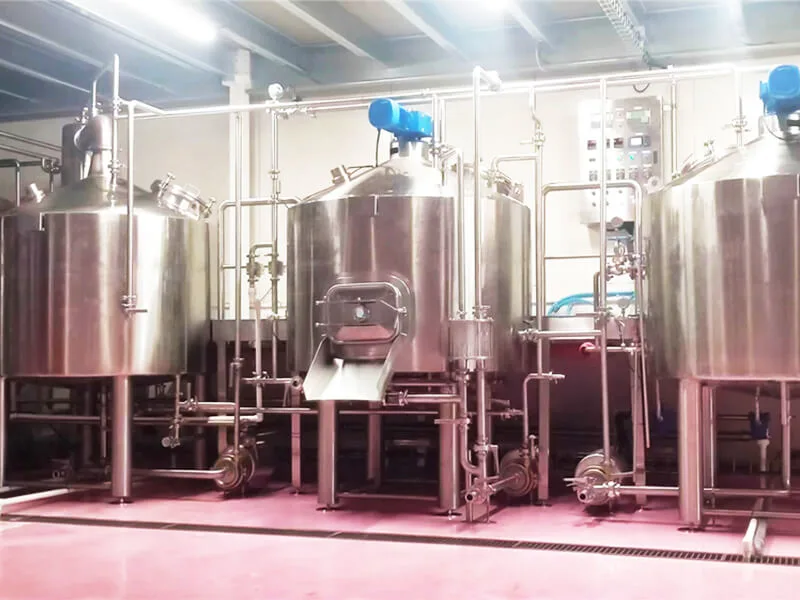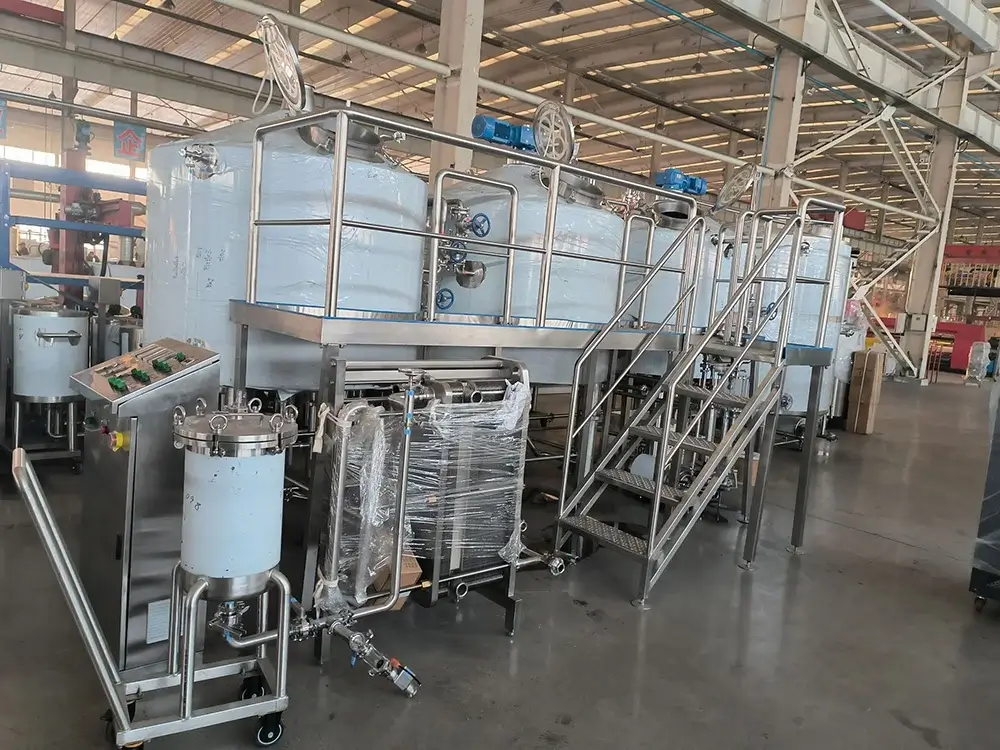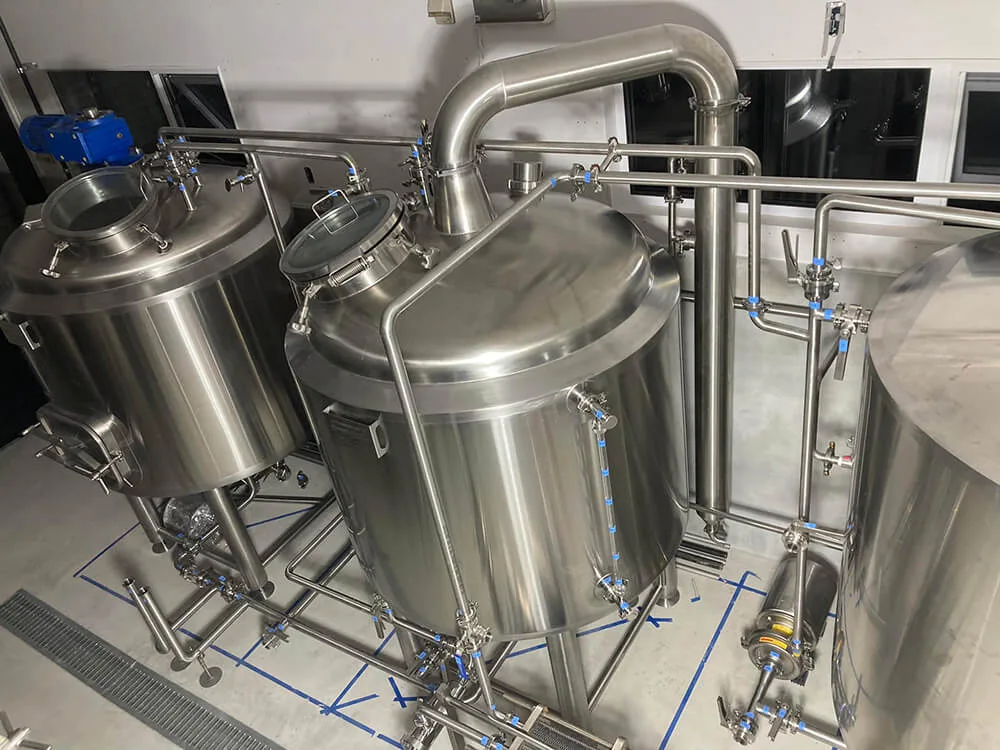
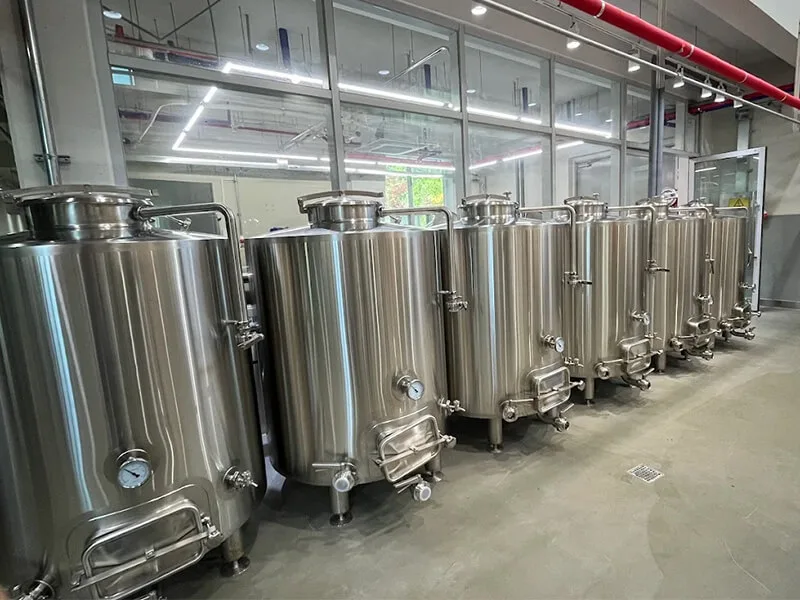
Designing a small commercial winery requires more than selecting fermentation tanks and a grape press. The equipment must match the winemaking process, expected harvest volume, fermentation schedule, storage requirements, and packaging plan.
For a new winery, an unsuitable equipment layout can create bottlenecks during harvest, increase manual handling, and make cleaning more difficult. Oversized equipment can also increase initial investment without improving production efficiency.
Choosing the right commercial winery equipment starts with defining the wine styles to be produced and planning the process from grape reception to finished-product packaging.
This guide explains how to plan a small commercial winery, select the main equipment, calculate tank capacity, and develop a practical production layout.
1. Define Your Production Capacity and Wine Styles
Before choosing equipment, establish how much wine the winery intends to produce and how that volume will be processed throughout the year.
Calculate Annual Production and Peak Harvest Demand
Annual production is an important starting point, but it does not determine equipment capacity on its own.
Grapes are often harvested within a relatively short period. A winery may therefore need to process a large quantity of fruit over several days or weeks, even if its annual production is modest.
Estimate the following:
- Expected annual finished-wine production.
- Total grape volume available during harvest.
- Maximum daily grape intake.
- Number of grape varieties and separate batches.
- Fermentation duration and tank occupancy.
- Expected maturation period and bottling schedule.
These figures help determine the required throughput of the grape crusher, destemmer, press, fermentation tanks, and supporting equipment.
Decide Which Wine Styles to Produce
The intended product range directly affects the process flow and equipment configuration.
Red wine: Grapes are typically crushed and destemmed, then fermented with skins during maceration. Pressing generally takes place after the desired extraction period, although specific techniques vary.
White wine: Grapes are commonly pressed before fermentation. The resulting juice may undergo clarification before being transferred to a fermentation tank.
Rosé wine: Production methods vary. Some wines are made by pressing red grapes shortly after crushing, while others use a controlled period of skin contact before pressing.
Fruit wine: Apples, berries, and other fruits may require different washing, crushing, pulping, pressing, or preparation equipment.
Sparkling wine: Production requires additional equipment and process controls appropriate to the selected method, such as secondary fermentation or controlled carbonation.
A winery producing several styles should identify which machines can be shared and which operations require separate processing arrangements.
2. Map the Winemaking Process Before Selecting Equipment
A process flow diagram should reflect the actual wine styles and production methods. Red and white wine do not follow exactly the same sequence, so equipment should not be arranged around a single universal workflow.
Red Wine Production Process
A typical red wine production process includes:
- Grape reception and sorting: Grapes are received, inspected, and sorted to remove unsuitable fruit.
- Crushing and destemming: Grapes are prepared according to the intended winemaking method.
- Maceration and fermentation: The grape must ferments with the skins to extract color, tannins, and flavor compounds.
- Pressing: Wine is separated from the pomace after the desired maceration and extraction period.
- Malolactic fermentation and maturation: These processes are carried out when required by the wine style.
- Racking, clarification, and stabilization: Wine is transferred and processed as needed before bottling.
- Bottling and packaging: Finished wine is filled, sealed, labeled, and prepared for distribution.
The defining feature of this process is that red grapes generally remain in contact with their skins during fermentation. The press therefore usually follows maceration and fermentation rather than preceding them.
White Wine Production Process
A typical white wine production process includes:
- Grape reception and sorting: Incoming grapes are inspected and sorted.
- Destemming and optional crushing: The preparation method depends on the grape variety and winemaking approach.
- Pressing: Juice is separated from grape solids.
- Juice clarification: Settling or other suitable clarification methods may be used when required.
- Juice fermentation: The clarified juice is transferred to fermentation tanks.
- Maturation, stabilization, and clarification: Wine is processed according to the desired style and quality requirements.
- Bottling and packaging: Finished wine is filled, sealed, labeled, and stored.
White grapes are commonly pressed before fermentation so that the juice can ferment separately from most grape solids. Some producers use whole-cluster pressing or other specialized techniques, so the exact configuration depends on the intended wine style.
Rosé production should be planned according to the chosen method, which may resemble early pressing for white wine or include a short period of skin contact.
Mapping these process differences before purchasing equipment helps prevent unnecessary transfers, poorly matched machines, and production bottlenecks.
3. Select the Right Grape Processing Equipment
Grape processing equipment should be sized for the maximum expected harvest throughput, not just average annual production.
Grape Reception and Sorting
The receiving area should accommodate incoming grape bins, weighing, inspection, and sorting. Its layout should allow grapes to move efficiently toward the crusher, destemmer, or press.
For a small winery, a manual sorting table may be sufficient. Higher harvest volumes may justify a more integrated receiving and sorting system.
As considerações importantes incluem:
- Maximum grape intake per hour.
- Grape bin handling and access.
- Sorting labor and workflow.
- Drainage and cleaning arrangements.
- Distance to the next processing stage.
Crusher and Destemmer
A crusher-destemmer prepares grapes by removing stems and breaking berries as required. Some winemaking methods use different levels of crushing or destemming, so the machine should match the desired processing approach.
When selecting a unit, evaluate its throughput, adjustment options, grape handling characteristics, maintenance requirements, and compatibility with the press or fermentation system.
The highest-capacity machine is not automatically the best choice. Its processing rate should be coordinated with the press capacity and the rate at which fermentation tanks can be filled.
Wine Press
A wine press separates juice from grape solids or separates wine from pomace after red wine maceration.
The required press capacity depends on the quantity of grapes or pomace to be processed, the pressing cycle, and the time available during harvest.
A pneumatic press may be suitable for certain small commercial operations, while other press designs may suit different budgets and production methods.
The equipment plan should also account for juice collection, pomace removal, cleaning access, and the movement of material between processing areas.
4. Calculate Fermentation and Storage Tank Capacity
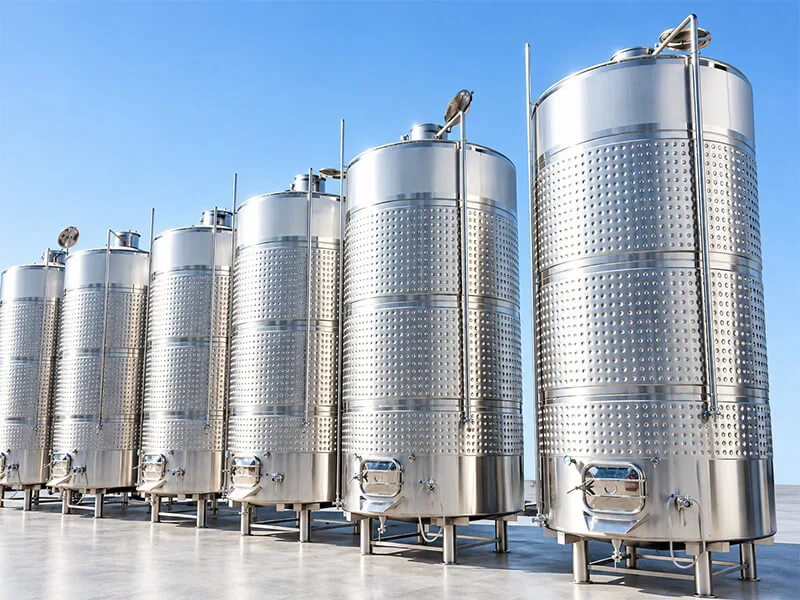
Fermentation tanks are among the largest investments in a small commercial winery. The correct configuration depends on production timing, fermentation duration, batch separation, and maturation requirements.
Calculate Peak Fermentation Demand
Begin with the volume that must be processed during the busiest part of harvest. Determine how much product enters fermentation each day and how long each tank remains occupied.
A basic planning formula is:
Required working fermentation capacity = Daily fermentation throughput × Average tank occupancy time
For example, if a winery needs to transfer 1,000 liters of juice or must into fermentation each day and each batch occupies a tank for 10 days, the theoretical working capacity is 10,000 liters.
This is an illustrative calculation, not a recommended tank specification. Actual requirements depend on batch timing, wine type, tank headspace, fermentation behavior, cleaning downtime, and production losses.
For red wine, tank occupancy must account for maceration, fermentation, and the timing of pressing. White wine may have a different schedule because pressing usually takes place before fermentation.
Separate Fermentation Capacity from Maturation Capacity
Fermentation and maturation are separate capacity requirements.
A winery may finish primary fermentation in a relatively short period but retain wine in storage tanks for several months before bottling. If storage capacity is insufficient, fermentation tanks may remain occupied longer than planned.
Calculate the capacity required for:
- Active fermentation and maceration.
- Post-fermentation holding and malolactic fermentation, where applicable.
- Maturation and bulk storage.
- Blending and pre-bottling preparation.
Multiple smaller tanks can help separate grape varieties, harvest dates, and experimental batches. Larger tanks may reduce the number of vessels and connections, but they can limit flexibility when several small batches must be processed independently.
The best configuration balances tank utilization, process control, flexibility, and capital cost.
5. Choose Suitable Stainless Steel Wine Tanks
Stainless steel tanks are widely used in commercial wineries because of their durability, cleanability, and suitability for many beverage-processing applications when properly specified.
However, a fermentation tank, a storage tank, and a pressure-rated vessel do not necessarily have the same design requirements.
Standard and Jacketed Tanks
Standard tanks may be suitable for processes that do not require integrated temperature control.
Jacketed tanks can provide controlled cooling or heating when the winemaking process requires it. The appropriate jacket design depends on the tank dimensions, heat-transfer demand, cooling medium, and intended operating conditions.
For temperature-sensitive white wine fermentation, controlled cooling may be particularly important. Red wine production may also benefit from temperature management, depending on the grape variety and extraction strategy.
Key Tank Specifications
When evaluating commercial winery equipment, consider the following:
Material grade: Select stainless steel based on the wine, cleaning chemicals, and operating conditions.
Internal surface finish: A suitable finish supports cleaning and helps minimize product residue retention.
Drainability: Tank geometry, outlet positioning, and connections should allow effective product removal and cleaning.
Access and fittings: Sampling ports, manways, transfer connections, and other fittings should match the intended process.
Temperature monitoring: Where temperature control is required, ensure that sensors and controls are compatible with the operating requirements.
Tank geometry: Red wine fermentation may require suitable access and provisions for managing skins and the cap. Storage tanks have different operational priorities.
Venting and pressure rating: Standard atmospheric tanks must not be treated as pressure vessels. Carbonation or other pressurized operations require equipment specifically designed and rated for the applicable conditions.
The final tank specification should follow the actual winemaking process rather than a generic beverage-tank configuration.
6. Plan Cooling and Temperature Control
Temperature management affects fermentation speed, aroma development, and the consistency of wine production.
A winery’s cooling demand depends on the number of tanks operating simultaneously, fermentation heat, incoming product temperature, target temperature, ambient conditions, and the required cooling schedule.
A centralized glycol or chilled-water system may serve multiple jacketed tanks if the system is sized for simultaneous demand.
Before selecting a chiller, determine:
- The number of tanks that may require cooling at the same time.
- The temperature range required for each process.
- Tank jacket and heat-transfer requirements.
- Cooling medium and distribution layout.
- Pump capacity and piping losses.
- Temperature sensors, control functions, and alarms.
The largest tank alone does not determine the required chiller capacity. The system must meet the combined process load under realistic operating conditions.
If the facility also requires hot water for cleaning or other operations, include that demand in the utility plan.
7. Select Wine Transfer, Clarification, and Filtration Equipment
Transfer and downstream processing equipment should support the winery’s production rate while protecting wine quality.
Pumps and Piping
Select pumps according to the product, required flow rate, transfer distance, and intended process stage.
Wine can be sensitive to unwanted oxygen exposure, so the transfer design should consider suitable pump selection, hose and pipe connections, and practical control of air contact.
A well-planned piping layout reduces unnecessary manual handling and makes cleaning and maintenance easier.
Racking and Clarification
Racking separates wine from settled solids. Depending on the wine style and production method, further clarification may be needed before maturation or bottling.
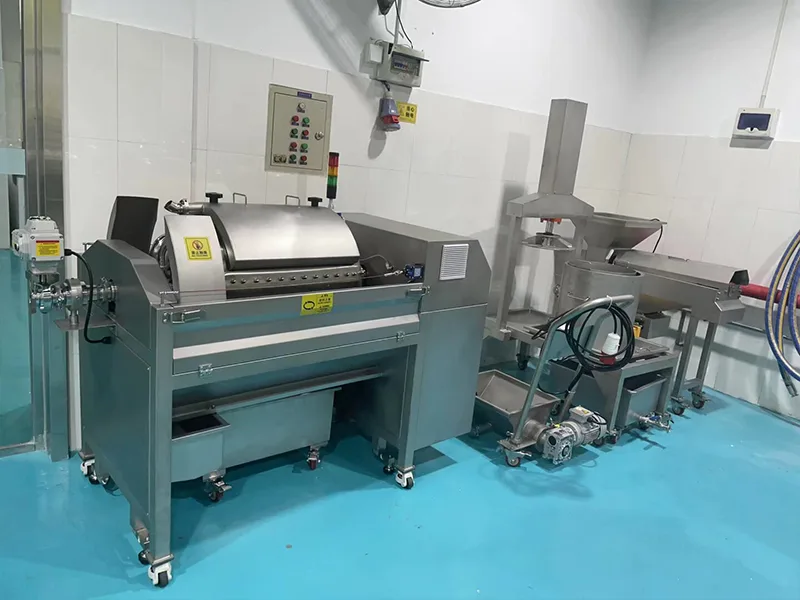
The equipment configuration may include transfer pumps, receiving tanks, settling tanks, and filtration equipment.
Filtration should be selected according to the wine’s characteristics, desired clarity, and microbiological stability requirements. Not every wine requires the same filtration method or degree of filtration.
Bulk Storage and Maturation
Storage tanks provide capacity for wine after fermentation and during maturation or preparation for packaging.
The required volume depends on how long the wine will remain in storage, the number of batches and varieties, and the bottling schedule.
If barrels are part of the production plan, reserve suitable space and plan the transfer route between stainless steel tanks and barrel storage.
8. Design the Bottling and Packaging Area
Bottling can become a production bottleneck if fermentation capacity increases but downstream equipment remains undersized.
A small winery may start with a semi-automatic line and upgrade as packaging demand grows.
A typical bottling area may include:
- Bottle preparation or rinsing equipment, where required.
- A suitable filling machine.
- Corking, capping, or other closure equipment.
- Labeling and batch-coding equipment.
- Carton packing and finished-product handling.
The appropriate line depends on bottle formats, production volume, wine characteristics, and available labor.
Before choosing a filler, calculate the number of bottles that must be packaged per hour or per shift. Consider changeover time, cleaning, closure application, labeling, and finished-product handling—not only the rated filling speed.
For wines requiring microbiological stability, filtration, sanitation, filling conditions, and packaging controls must be considered as part of a validated process.
9. Design a Hygienic and Efficient Winery Layout
The facility layout should follow the actual process flow and provide practical access for cleaning, inspection, and maintenance.
Where possible, organize the winery into identifiable areas for grape receiving, processing, fermentation, storage, bottling, and finished-product handling.
The design should also account for drainage, water supply, electrical connections, floor loading, ventilation where required, and equipment installation access.
Avoid placing tanks so close together that operators cannot reach valves, inspect fittings, or carry out routine maintenance safely.
Cleaning provisions should be planned from the beginning. Depending on the equipment configuration, tanks may use manual cleaning, dedicated cleaning devices, or a centralized Clean-in-Place (CIP) system.
A CIP system can reduce the need to disassemble compatible equipment for cleaning, but its effectiveness depends on proper system design and validated cleaning procedures. It is not automatically necessary for every small winery.
For facilities planning future expansion, reserve space for additional tanks and review the capacity of utilities, piping routes, and drainage before finalizing the initial installation.
10. Estimate the Total Investment
The cost of commercial winery equipment depends on production capacity, wine styles, tank specifications, automation, packaging requirements, and installation conditions.
The equipment budget should cover the complete production process rather than fermentation tanks alone.
| Equipment category | Main considerations |
|---|---|
| Grape processing | Receiving, sorting, crushing, destemming, and pressing |
| Tanques de fermentação | Number of vessels, working volume, tank design, and temperature control |
| Storage and maturation | Bulk-storage capacity, separate batches, and optional barrel storage |
| Cooling and utilities | Chiller, distribution piping, pumps, and electrical supply |
| Transfer and filtration | Pumps, valves, hoses, and clarification equipment |
| Cleaning | Cleaning devices, sanitation arrangements, and CIP where appropriate |
| Bottling | Filling, closures, labeling, and packaging |
| Installation | Freight, site preparation, commissioning, and operator training |
A phased investment may be suitable for a new winery. Essential processing and fermentation equipment can be installed first, followed by additional automation or packaging capacity when demand increases.
However, critical layout, drainage, utility, and hygienic-design decisions should be addressed during initial engineering. Retrofitting these systems after installation can be expensive.
11. Work with a Winery Equipment Manufacturer
A small commercial winery often needs a coordinated combination of processing equipment, fermentation tanks, storage vessels, cooling systems, and packaging machinery.
Purchasing each item separately without reviewing the complete process can create mismatched capacities, incompatible connections, and avoidable transfer steps.
When requesting a quotation, prepare the following information:
- Annual finished-wine production target.
- Peak grape intake and harvest schedule.
- Red, white, rosé, or fruit wine production plans.
- Required fermentation and storage capacity.
- Expected fermentation and maturation schedules.
- Temperature-control requirements.
- Bottling formats and target packaging volume.
- Facility dimensions and available utilities.
- Plans for future expansion.
As a beverage and fermentation equipment manufacturer, METO provides stainless steel tanks and customized equipment solutions for beverage-processing applications. Winery projects can be evaluated according to their production flow, tank requirements, temperature-control needs, cleaning strategy, and installation conditions.
The proposed scope should clearly identify the equipment supplied, technical specifications, utility interfaces, inspection requirements, and installation responsibilities. Final configurations and certifications should be confirmed against the actual project requirements.
Conclusão
Designing a small commercial winery equipment line requires a clear understanding of the winemaking process, peak harvest demand, fermentation schedules, storage requirements, and packaging capacity.
The most effective equipment configuration is not necessarily the largest or most automated. It is the one that supports the intended wine styles, provides sufficient capacity at critical production stages, and allows the facility to operate efficiently as demand grows.
Before purchasing commercial winery equipment, map the red and white wine processes separately, calculate fermentation and storage capacity independently, and coordinate grape processing, cooling, transfer, and bottling equipment.
METO can help wineries evaluate their process requirements and develop a customized stainless steel tank and equipment configuration based on their production goals.
Perguntas Frequentes
What equipment is needed for a small commercial winery?
A typical winery may require grape receiving and sorting equipment, a crusher-destemmer, a wine press, fermentation tanks, storage tanks, transfer pumps, temperature-control equipment, clarification or filtration equipment, cleaning equipment, and a bottling line. The exact configuration depends on the wine styles and production target.
Is the winemaking process the same for red and white wine?
No. Red wine is generally fermented with grape skins during maceration before pressing. White wine is commonly pressed before fermentation so the juice can ferment separately from most grape solids. Rosé methods vary according to the desired style.
How do I calculate the required fermentation tank capacity?
Estimate the volume entering fermentation each day and multiply it by the average time the product occupies a fermentation tank. Then account for working volume, tank headspace, overlapping batches, cleaning time, and differences between wine styles. Maturation and bulk-storage capacity should be calculated separately.
Are jacketed stainless steel tanks necessary for wine production?
Not for every application. Jacketed tanks are useful when controlled heating or cooling is required. The decision depends on the wine style, fermentation conditions, ambient temperature, and process-control requirements.
Can one winery equipment line produce both red and white wine?
Yes, some equipment can be shared, including certain pumps, storage tanks, and bottling equipment. However, red and white wine have different processing sequences, especially regarding pressing and skin contact. The layout and tank schedule should accommodate those differences.
Does a small winery need a CIP cleaning system?
Not necessarily. Some small facilities use validated manual cleaning procedures or dedicated tank-cleaning devices. A CIP system may be beneficial when the facility has multiple tanks, extensive piping, or frequent production cycles. The decision should be based on the equipment design, cleaning requirements, and operational workload.
What information should I provide to a winery equipment manufacturer?
Provide the annual production target, peak harvest throughput, wine styles, batch sizes, fermentation and maturation schedules, tank requirements, temperature-control needs, bottling format, facility dimensions, and available utilities. This information supports a more accurate equipment proposal.