Kombucha brewing is more than just mixing tea and sugar—it’s a delicate process that requires careful attention to fermentation conditions. One of the most important elements in producing high-quality kombucha is selecting the right Kombucha Fermentation Tank. The tank you choose affects flavor consistency, fermentation speed, hygiene, and overall production efficiency.
Why the Right Tank Matters
A proper kombucha fermentation tank ensures that your SCOBY (Symbiotic Culture of Bacteria and Yeast) thrives in a controlled environment. Using unsuitable containers, such as non-food-grade plastic or unlined metal, can lead to contamination, off-flavors, or inconsistent batches. Choosing the right tank protects your brew and allows for scalable, repeatable production.
Key Factors to Consider When Selecting a Kombucha Fermentation Tank
1. Temperature Control
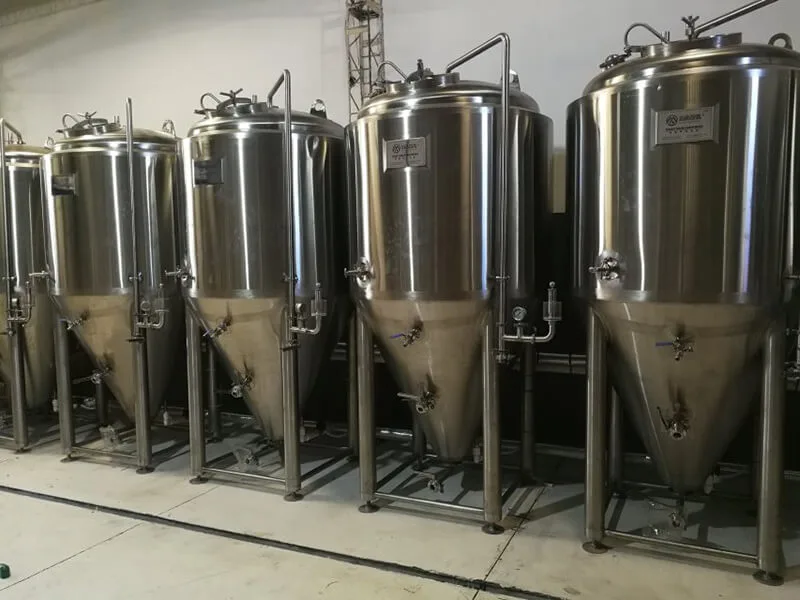
Kombucha ferments best between 22–30°C (71–86°F). A tank with temperature control features—such as a heating or cooling jacket—helps maintain this range. Temperature fluctuations can slow fermentation, promote unwanted bacteria, and alter flavor profiles.
2. Material and Hygiene
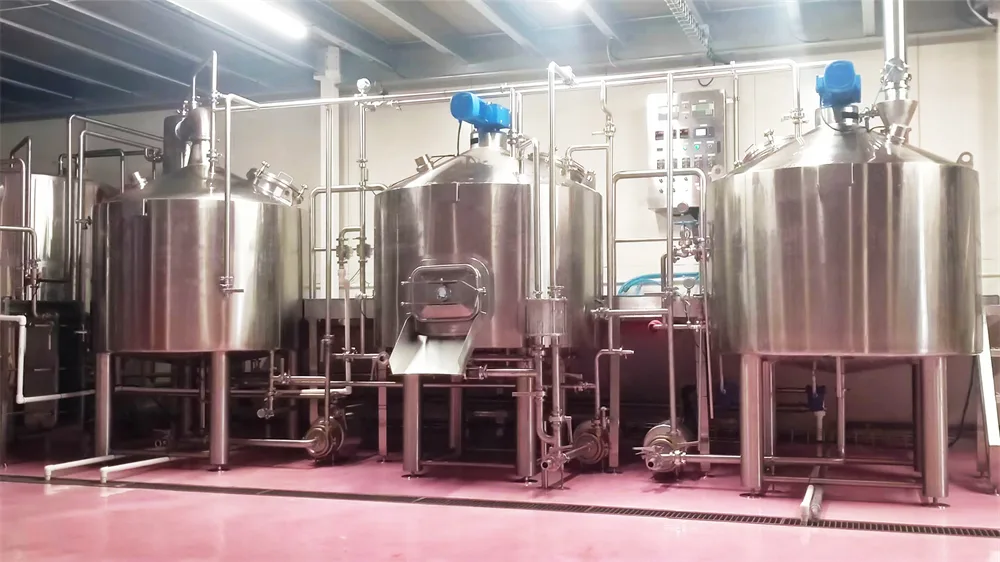
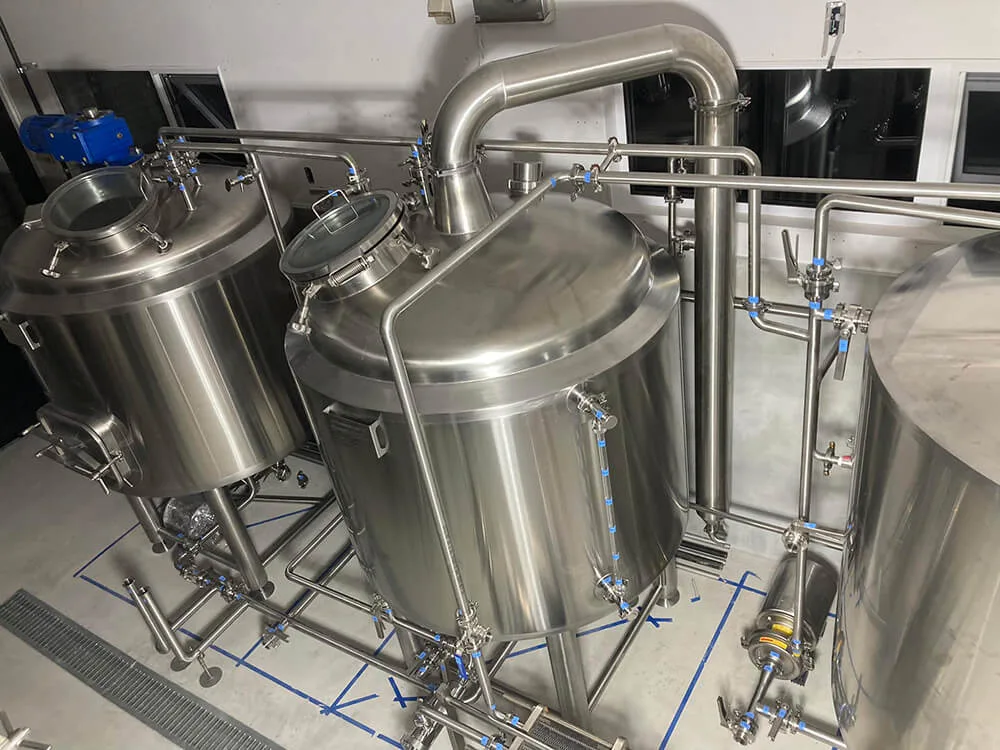
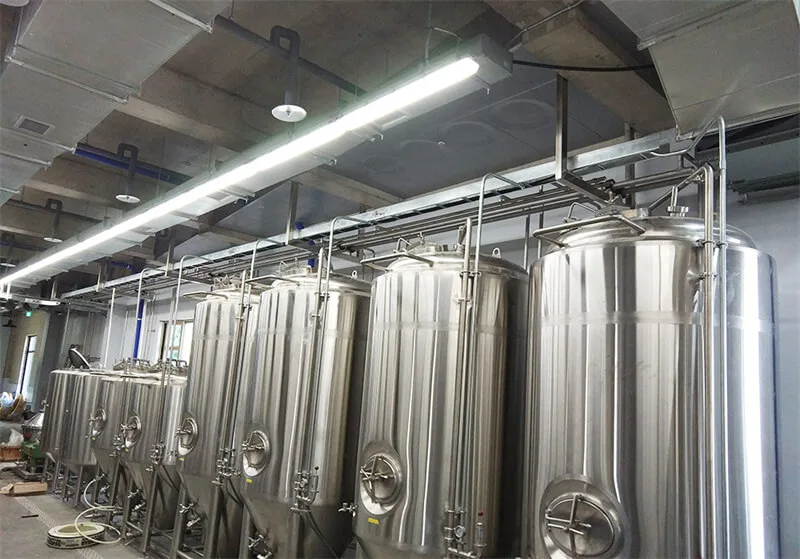
Material choice is crucial for both safety and durability. Food-grade stainless steel is widely recommended for commercial-scale production because it is easy to clean, non-reactive, and long-lasting. For small batches or home brewing, glass tanks are an option since they allow visual monitoring of the SCOBY, but they can be fragile and harder to scale. Avoid non-food-grade plastics, as they may absorb odors, develop scratches that harbor bacteria, or leach chemicals into your brew.
3. Tank Size and Batch Volume
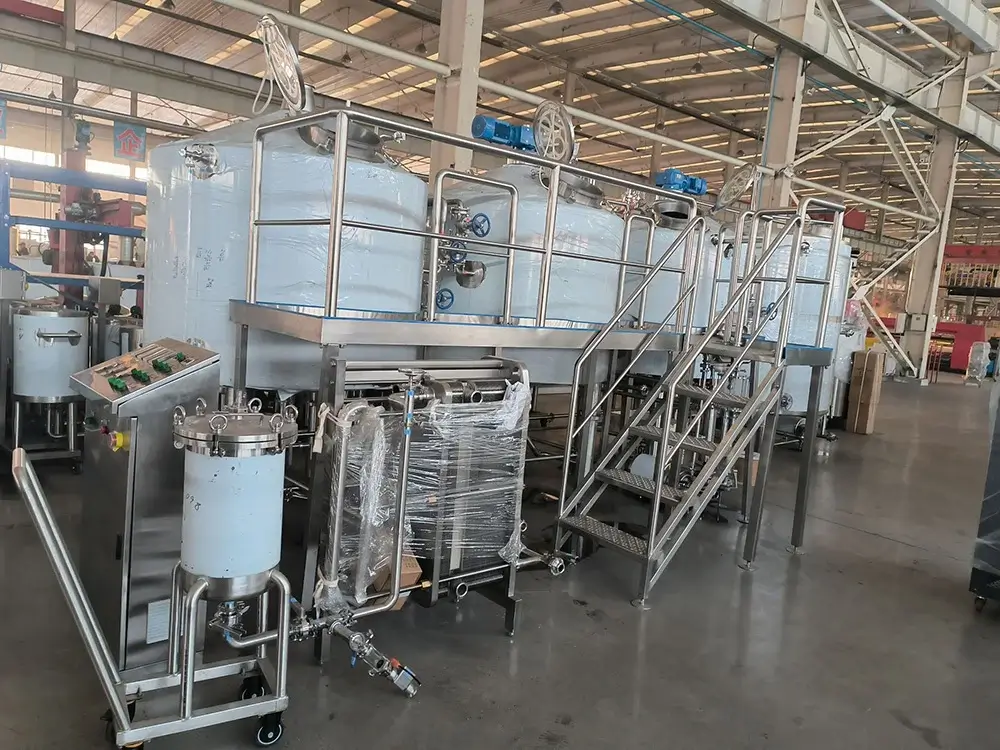
Selecting the correct tank size depends on your production goals. Small-scale home brewing may only require 10–20 liters, while commercial operations often need tanks of several hundred liters or more. Matching your tank size to your batch volume prevents waste and ensures consistent fermentation.
4. Design Features and Accessories
Consider additional features that can simplify your brewing process and improve quality:
- Bottom valve: Allows you to draw liquid without disturbing the SCOBY.
- Large top opening or manhole: Makes it easier to add ingredients, remove the SCOBY, or clean the tank.
- Temperature or pH probe ports: Facilitate monitoring of fermentation conditions.
- Smooth, rounded surfaces: Reduce bacteria buildup and make cleaning easier.
5. Ease of Cleaning
Hygiene is critical in kombucha brewing. A tank should be easy to disassemble, clean, and sanitize. Smooth surfaces, rounded corners, and accessible openings help prevent contamination and maintain consistent batch quality.
Common Mistakes to Avoid
- Using oversized or undersized containers: A tank that is too large or too small can lead to inefficient fermentation.
- Ignoring temperature control: Without stable temperature, fermentation speed and flavor can vary widely.
- Choosing the wrong material: Some metals or plastics can react with the acidic kombucha or harbor bacteria.
- Neglecting cleaning requirements: Tanks that are hard to sanitize increase the risk of contamination.
Conclusão
Selecting the right Kombucha Fermentation Tank is a critical step for any kombucha brewer, whether at home or in a commercial setting. Factors such as temperature control, material, size, design features, and ease of cleaning should all guide your decision. The proper tank ensures consistent, safe, and flavorful batches, setting the foundation for successful kombucha production.
Investing in a high-quality fermentation tank may require more upfront cost, but the benefits—increased efficiency, improved hygiene, and consistent flavor—make it worthwhile. With the right tank, your kombucha can reach its full potential, batch after batch.
If you are also interested in our Stainless Steel Tanks , please feel free to contactar-nos Equipamento Meto.