In the global rice wine market, temperature control is often a major limitation.
Traditional products like Japanese sake and Korean makgeolli typically require refrigeration to maintain flavor stability and prevent spoilage. This dependency on cold chain logistics increases costs and restricts distribution.
However, Thai sweet rice wine—commonly known as Sato—offers a different model.
Across Thailand, these products are widely sold at room temperature, maintaining stable quality for 6–12 months, even in hot climates. This makes them ideal for modern retail channels such as convenience stores, supermarkets, and export markets.
For producers and investors, this represents a significant opportunity:
lower logistics costs, wider market access, and longer shelf life.
So what makes this possible?
The Core Principle: Sweetness Control + Microbial Stability
Achieving ambient shelf stability depends on two critical processes:
- Controlled fermentation to retain residual sugar
- Non-destructive sterilization to stop microbial activity
Precision Fermentation: Capturing the “Sweet Spot”
Unlike sake production, which maximizes alcohol conversion, Thai sweet rice wine focuses on preserving natural sweetness.
작동 방식
A mixed culture of saccharifying molds (such as Rhizopus) and yeast enables rapid starch-to-sugar conversion followed by short fermentation.
- Fermentation time: typically 24–48 hours
- Alcohol level: ~3%–8% ABV
- High residual sugar retained
Why Timing Is Critical
There is a narrow “golden window”:
- Too long → sugar converts into alcohol → loss of sweetness
- Too short → incomplete flavor development
Engineering Advantage
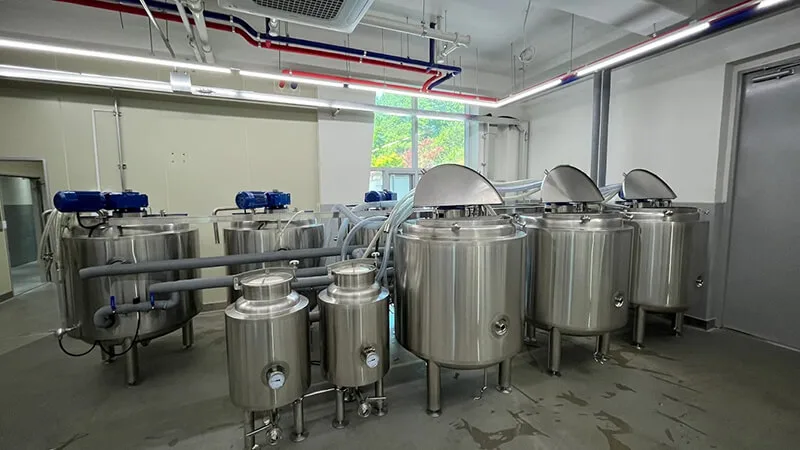
Modern fermentation systems enable:
- High-precision temperature control (±0.5°C)
- Real-time monitoring of specific gravity and fermentation activity
- Automated process control to stop fermentation at peak sugar levels
This ensures batch-to-batch consistency—essential for commercial production.
Pasteurization Technology: Stability Without Flavor Loss
Stopping fermentation without damaging flavor is the key technical challenge.
Traditional boiling methods are unsuitable because they:
- Create “cooked rice” off-flavors
- Darken the product
- Reduce market appeal
Modern Thai producers rely on advanced pasteurization methods:
Low-Temperature Pasteurization (LTLT)
- Temperature: 60–65°C
- Longer holding time
혜택:
- Gentle microbial inactivation
- Preserves aroma and sweetness
- Suitable for small to mid-scale production
Flash Pasteurization (HTST)
- Temperature: ~72°C
- Time: ~15 seconds
혜택:
- Minimal thermal impact on flavor
- High efficiency and consistency
- Ideal for industrial-scale production
This method is widely considered the industry standard for premium ambient beverages.
From Process to Production: Building an Ambient Rice Wine Line
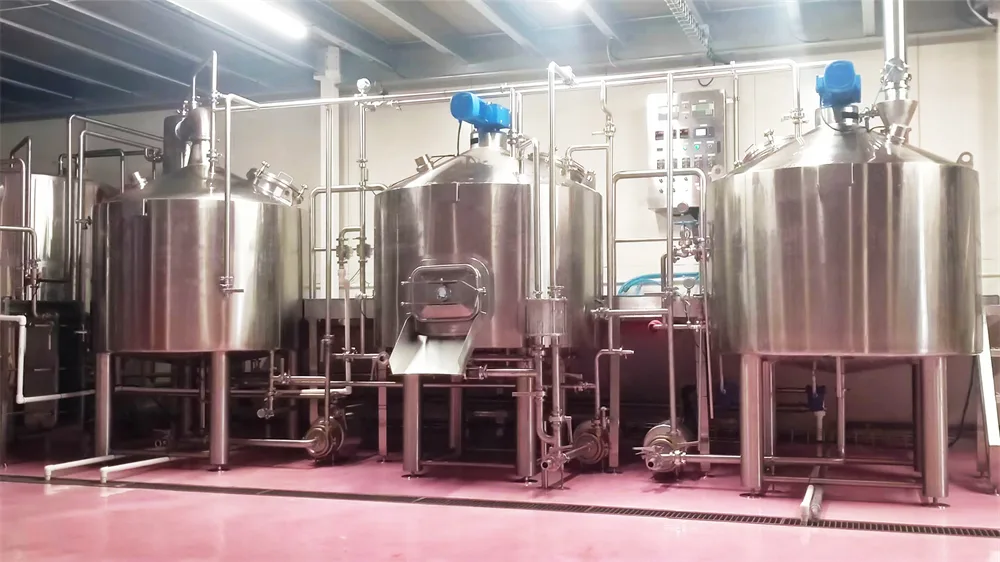
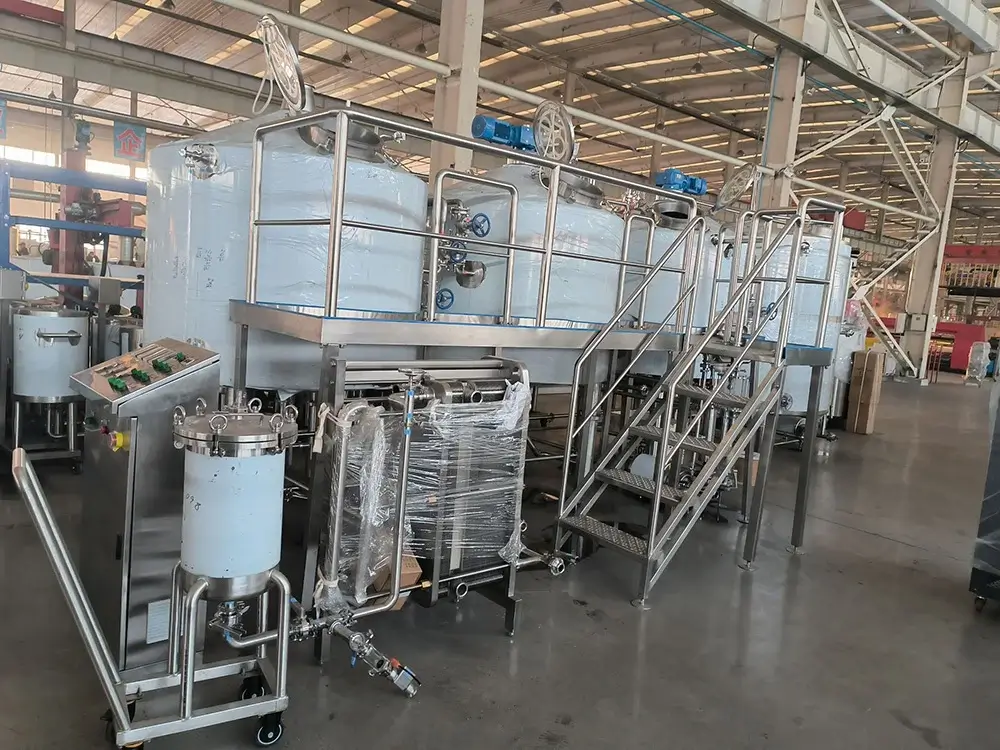
To successfully replicate this model, producers need an integrated system rather than isolated equipment.
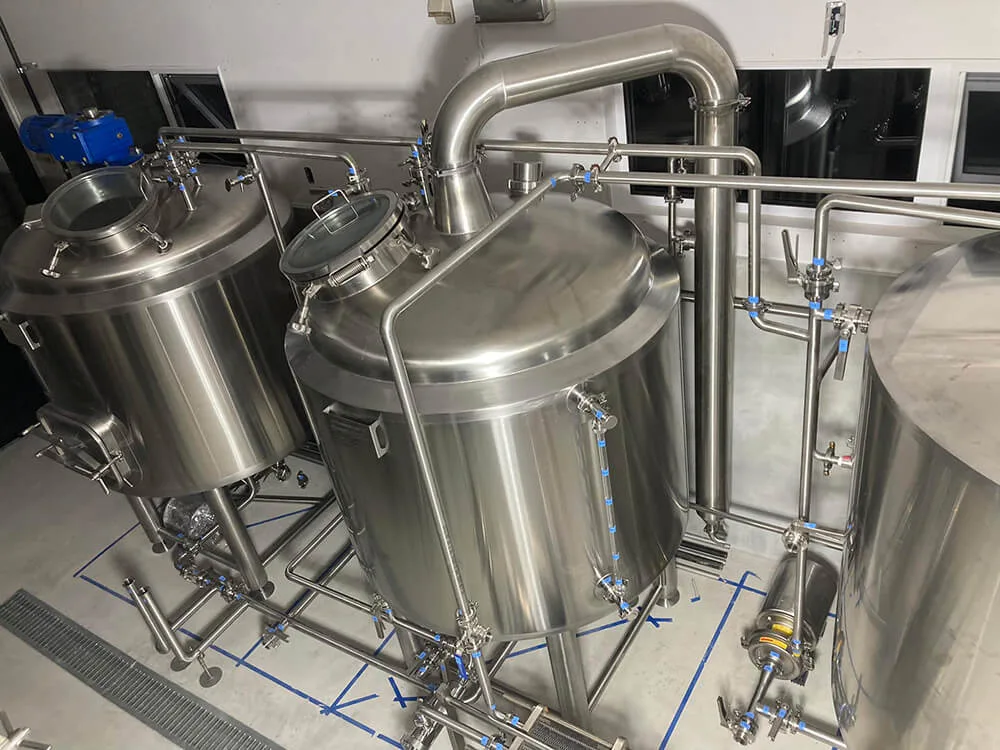
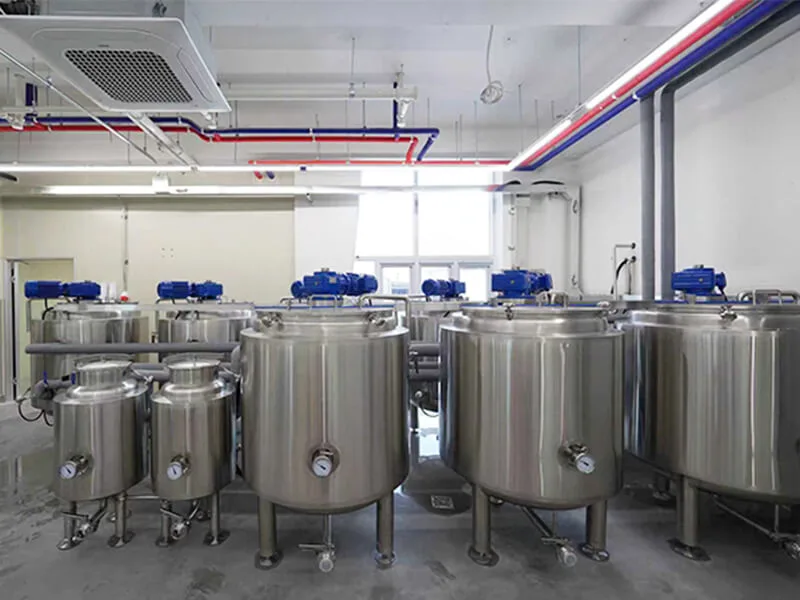
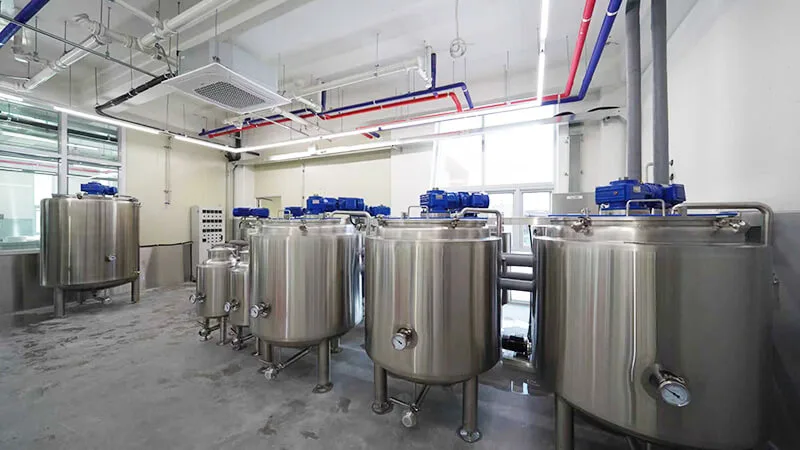
1. Smart Fermentation System
- PLC-controlled tanks
- Real-time monitoring (temperature, pressure, gravity)
- Automated alerts and process transitions
2. High-Efficiency Pasteurization Unit
Plate heat exchanger systems provide:
- Energy recovery (up to 40%)
- Precise thermal control
- Consistent product quality
3. Hygienic Filling Solutions
Sterile packaging is essential for long shelf life.
Hot Filling
- Suitable for glass bottles
- Uses product heat for sterilization
- Creates vacuum seal after cooling
Aseptic Cold Filling
- Ideal for PET and flexible packaging
- Operates in HEPA-filtered environment
- Prevents contamination without heat stress
Business Advantages of Ambient Rice Wine
Transitioning to ambient production delivers measurable benefits:
Lower Logistics Costs
Eliminate refrigerated transport and storage.
Expanded Distribution
Sell in convenience stores, rural markets, and export channels.
Extended Shelf Life
Increase from a few days to up to 12 months.
Reduced Waste
Improved inventory flexibility and reduced spoilage.
Conclusion: Turning Tradition into Scalable Opportunity
Thai sweet rice wine demonstrates that traditional beverages can achieve global scalability through modern process control.
Ambient stability is not about compromising quality—it is about precision engineering.
By combining controlled fermentation with advanced pasteurization and hygienic filling, producers can:
- Preserve authentic flavor
- Eliminate cold chain dependency
- Unlock new market potential
Ready to Launch Your Ambient Rice Wine Project?
If you are planning to develop a shelf-stable rice wine product or upgrade your current process, the right technology makes all the difference.
지금 바로 문의하세요 to:
- Request an Ambient Rice Wine Production Feasibility Report
- Get customized equipment recommendations
- Speak directly with our engineering team