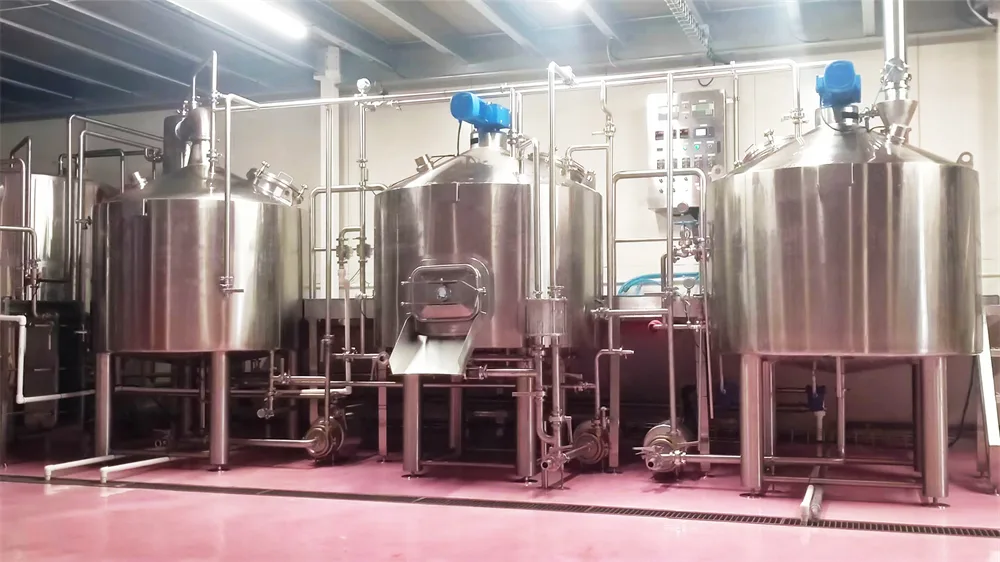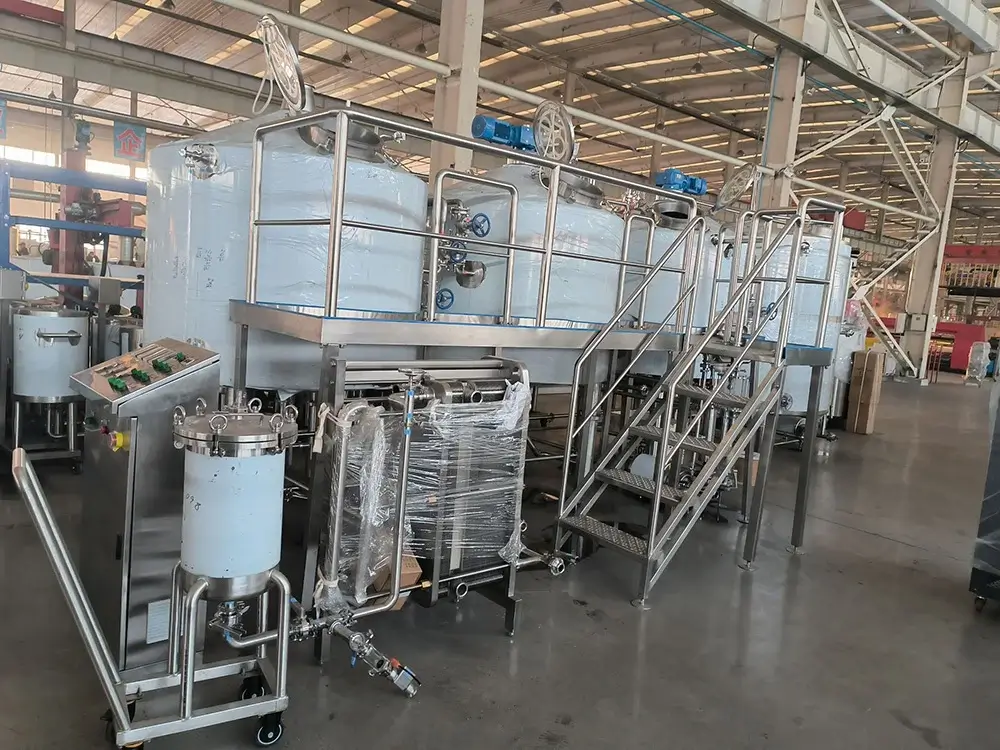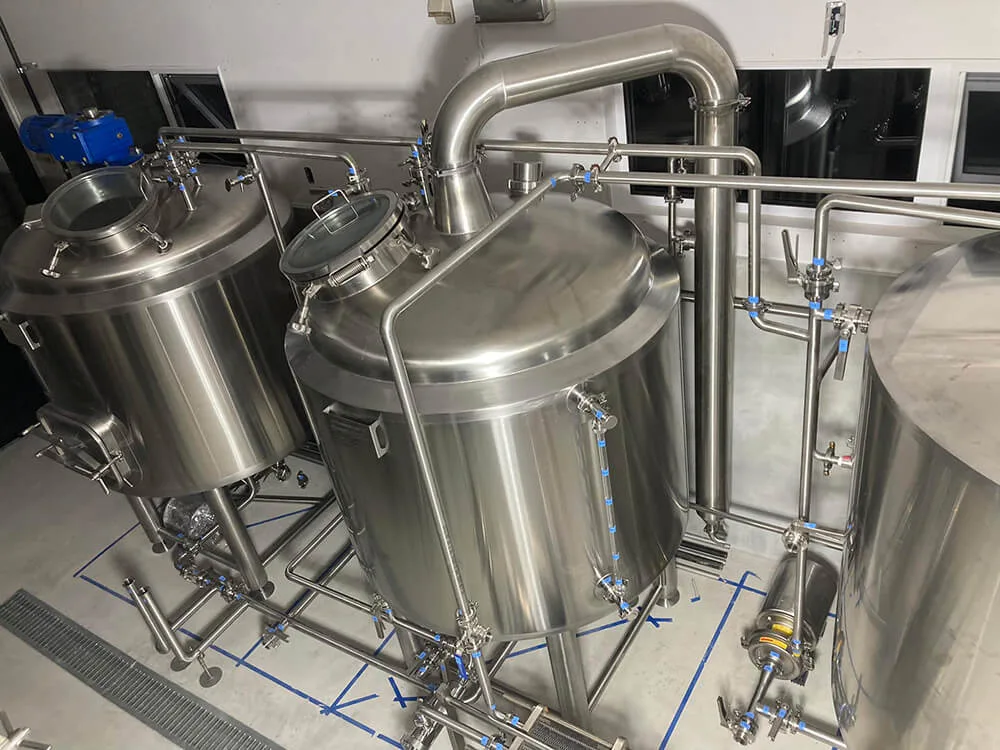
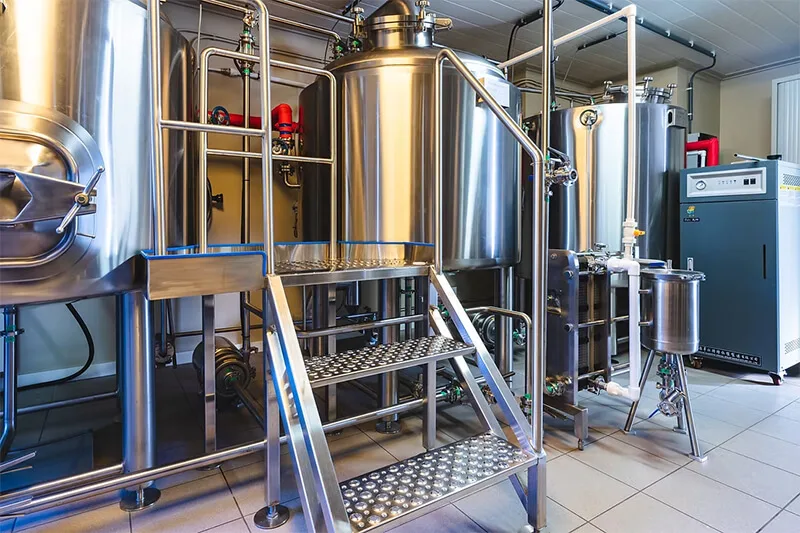
양조장 장비의 적절한 유지 관리는 맥주 맛, 안정성 및 일관성에 영향을 미치는 가장 중요한 요소 중 하나입니다. 홈브루잉 시스템을 운영하든 상업용 수제 맥주 양조장을 운영하든 장비 관리는 생산 효율과 맥주 품질에 직접적인 영향을 미칩니다. 청소나 유지 관리를 소홀히 하면 오염, 기계 고장, 불안정한 발효 결과로 이어질 수 있습니다.
This guide explains why maintenance matters and how to care for key pieces of beer brewing equipment to ensure smooth operation and exceptional beer every time.
Why Brewery Equipment Maintenance Matters
1. Prevent contamination and off-flavors
Residues left inside tanks, hoses, and pipelines can harbor bacteria or wild yeast. These microorganisms cause sourness, unpleasant aromas, haze issues, and instability in packaged beer. Proper cleaning stops these problems before they begin.
2. Ensure consistent batch quality
Well-maintained brewery equipment helps maintain accurate temperature control, pressure stability, and clean fermentation environments. This consistency is essential for repeatable results and product reliability.
3. Extend equipment lifespan and reduce costs
Routine inspection, lubrication, and component replacement reduce wear on valves, pumps, gaskets, and electrical parts. Preventing corrosion and buildup saves money long-term and avoids unexpected downtime.
4. Improve brewery efficiency
Clean pipelines and free-flowing pumps improve wort transfer, cooling performance, and fermentation control — increasing productivity while reducing energy consumption and process delays.
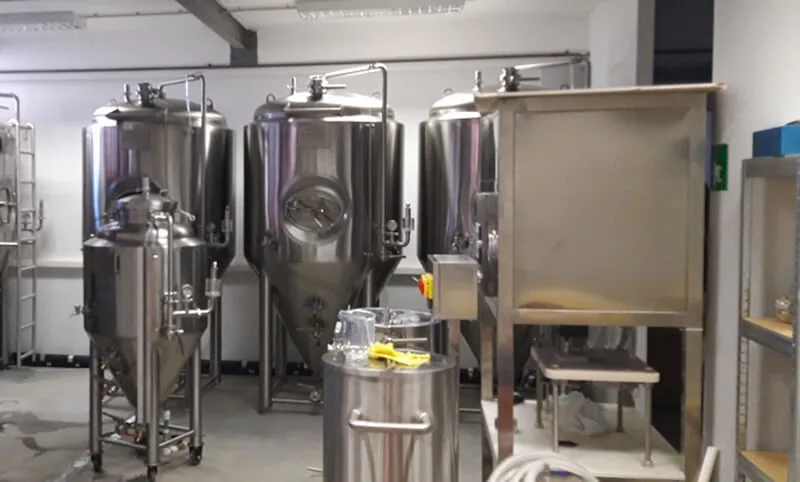
Key Brewery Equipment and How to Maintain It
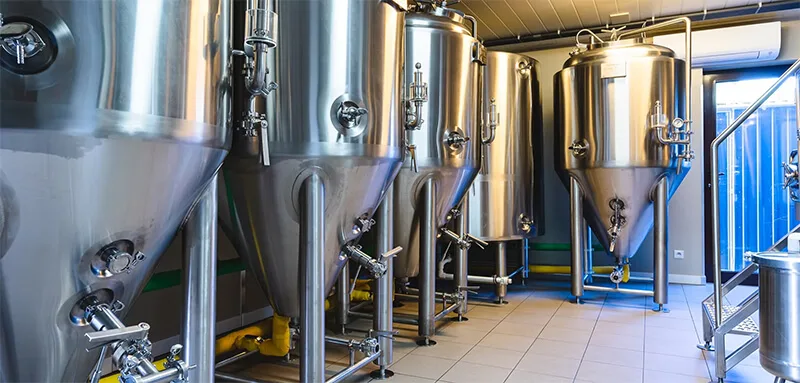
발효 탱크
- Rinse immediately after use to remove yeast and protein deposits.
- Apply brewery-grade cleaners to break down organic residues.
- Sanitize thoroughly before the next batch.
- Inspect seals, pressure valves, and cooling jackets regularly.
Brew Kettle / Boiling System
- Use non-abrasive cleaners to remove hop oils and caramelized wort.
- Check thermometers, heating elements, and control systems for accuracy.
- Avoid long-term water storage inside the vessel to prevent scale build-up.
Wort Chiller / Cooling System
- Flush both internally and externally after each use.
- Remove mineral scaling using approved chemicals.
- Keep coolant lines clean for efficient heat exchange.
Pipelines, Hoses, Valves, and Pumps
- Disassemble and deep clean frequently — these areas trap residues easily.
- Replace gaskets and O-rings as soon as wear or leaks appear.
- Avoid storing hoses while wet to prevent bacterial growth.
CIP 시스템
- Run CIP cycles with proper cleaning and sanitizing agents.
- Monitor temperature, concentration, and time for effective cleaning.
- Keep spray balls and pump systems clear and functional.
Packaging or Filling Systems
- Clean all contact points after filling.
- Sanitize before operation to prevent post-fermentation contamination.
Recommended Maintenance Schedule
| Maintenance Action | Frequency |
|---|---|
| Rinse & clean after brewing | Every batch |
| Sanitize before use | Every batch |
| Pipeline & valve inspection | Weekly |
| Deep cleaning & descaling | Monthly |
| Gasket and seal check | Monthly or when worn |
| Full system performance inspection | Quarterly |
Organizing tasks using a maintenance log helps ensure long-term consistency and reduces risk of accidental oversight.
How Proper Care Improves Beer Quality
Well-maintained brewery equipment results in:
- Clean fermentation and flavor purity
- Better clarity, aroma, and mouthfeel
- Longer shelf stability
- Reliable reproduction of each recipe
- Higher operating efficiency and lower failure rate
In other words — better beer, happier customers, and smoother brewing operations.
결론
Quality brewing isn’t just about recipes or ingredients — it’s equally about how diligently you maintain your brewery equipment. Regular cleaning, sanitization, inspection, and timely replacement of worn components protect your production environment and ensure every batch meets the highest standards.
A clean brewery makes great beer. A well-maintained brewery makes consistent beer.
양조에 대해 궁금한 점이 있으면 언제든지 문의해 주세요. 문의하기 Meto 장비.