Starting your own brewery is an exciting journey — but it takes more than just passion and stainless-steel tanks. Choosing the right brewery equipment for sale is one of the biggest investments a brewer can make. Whether you’re setting up a microbrewery, a brewpub, or scaling up for commercial production, understanding how each part of your system works (and what to look for when buying) will save you time, money, and headaches later on.
What Makes Up a Brewery System?
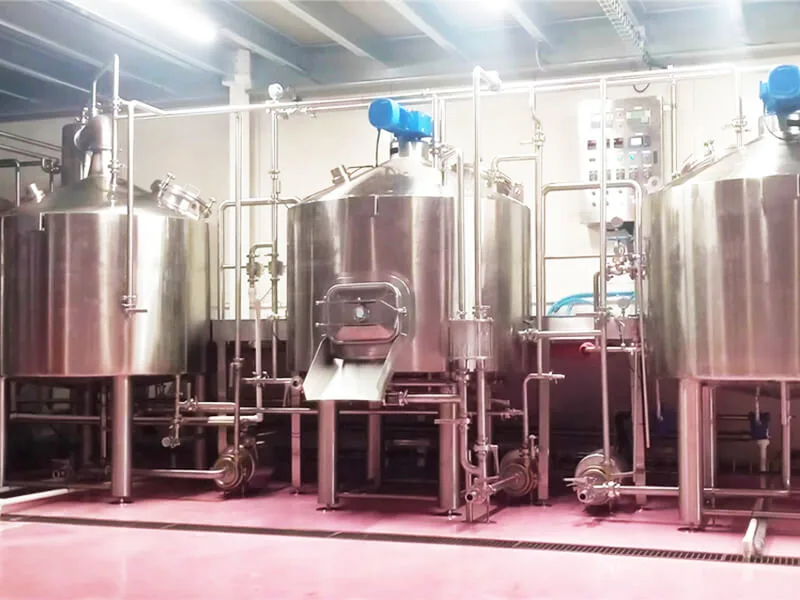
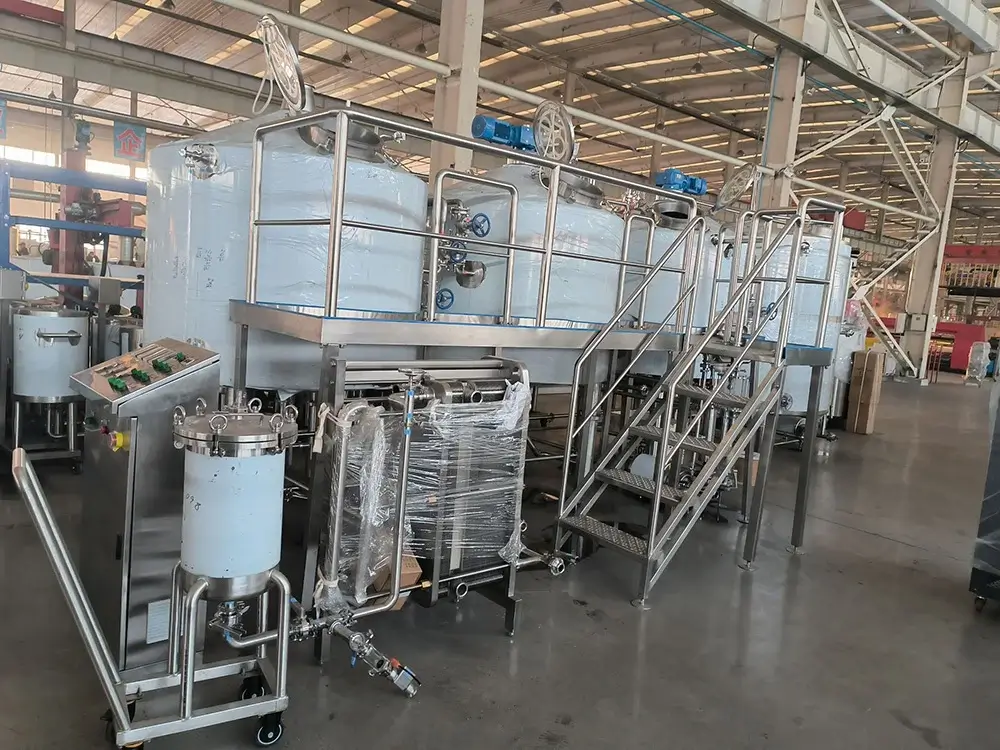
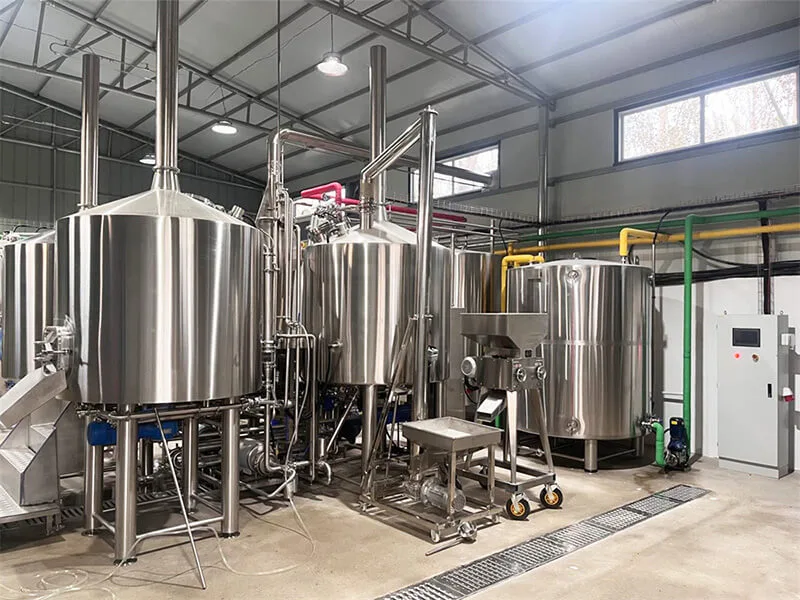
A professional brewing setup is a complete ecosystem. Each system has its own role, and they all work together to produce high-quality beer.
Milling System – This is where it all begins. The malt mill crushes your grains, preparing them for mashing.
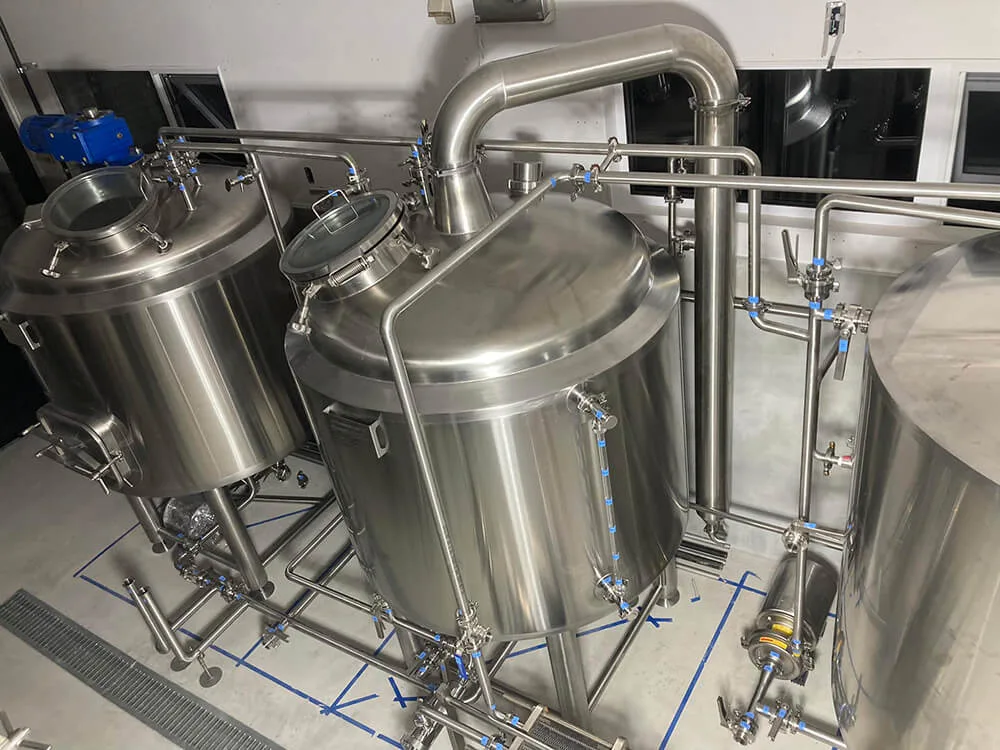
Mashing and Lautering System – The mash tun mixes crushed grain with hot water to convert starches into sugars. The lauter tun then separates the sweet wort from the grain husks.
Brew Kettle & Whirlpool – In the brew kettle, hops are added to create bitterness, aroma, and flavor. After boiling, the wort moves to the whirlpool tank to remove solid residues.
Heat Exchanger – The wort is cooled rapidly to the ideal fermentation temperature.
Fermentation Tanks (FV) – This is where the magic happens. Yeast transforms sugars into alcohol and CO₂, creating beer.
Bright Beer Tanks (BBT) – The final step before packaging. The beer is conditioned and clarified for perfect flavor and appearance.
Supporting systems like the glycol chiller, control panel, CIP cleaning system, and transfer pumps are equally critical to ensure efficiency, consistency, and hygiene.
Key Factors to Consider Before Buying Brewery Equipment
Production Capacity
Decide how much beer you want to brew per batch. A 3-barrel (350L) system may be enough for a small taproom, while a 15-barrel (1,800L) or larger brewhouse suits commercial operations.
Space and Layout
Brewery equipment takes up serious space. Measure everything—length, width, and especially ceiling height. Plan your layout for smooth workflow, safety, and future expansion.
Budget
Brewery equipment prices vary widely. Small systems may start around $50,000, while full-scale setups can exceed $500,000. Factor in installation, utilities, and shipping costs.
Regulatory Compliance
Ensure your system meets local food safety, electrical, and environmental standards. Working with an experienced supplier can help you meet these requirements more easily.
Supplier Reputation
Don’t just buy from the lowest bidder. Choose a supplier with strong engineering support, after-sales service, and proven brewery projects.
Automation vs. Manual Control
Automated systems offer consistency and ease of operation, but cost more. Manual systems are cheaper, but require more labor and skill.
Utility Requirements
Check the power, water, and drainage systems in your facility. Some brewing systems require 3-phase electricity, compressed air, or additional cooling capacity.
Why Choose a Complete Brewing Solution
When browsing brewery equipment for sale, don’t just look at the brewhouse tanks alone. A complete system—from milling to fermentation—ensures production stability and beer quality. A professional supplier will help you design the full layout, select the right capacity, and provide turnkey installation support.
最終的な感想
Building a brewery is both an art and a technical project. The right equipment gives you control, consistency, and confidence in every batch. Take the time to plan your capacity, layout, and budget carefully—and partner with a trusted brewery equipment manufacturer that understands your brewing goals.
Your dream beer deserves the right foundation.
If you are also interested in our Brewing equipment , please feel free to お問い合わせ メト装備。