In modern manufacturing industries, product consistency, operational efficiency, and regulatory compliance are critical factors for long-term success. Whether you are producing food products, pharmaceuticals, cosmetics, chemicals, or industrial materials, the quality of your mixing process directly impacts product performance and profitability.
However, many manufacturers face common challenges such as uneven mixing, material contamination, corrosion, excessive maintenance costs, and difficult cleaning procedures. These issues can lead to product waste, production downtime, and regulatory risks.
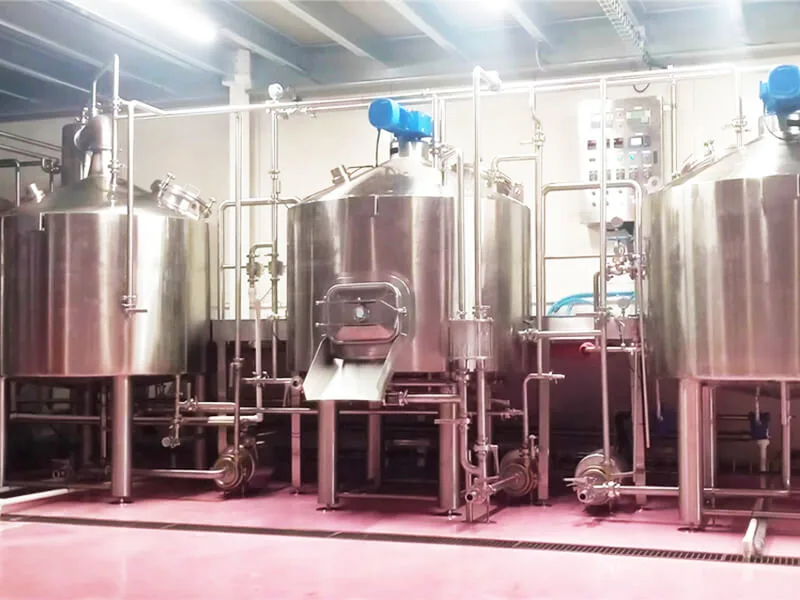
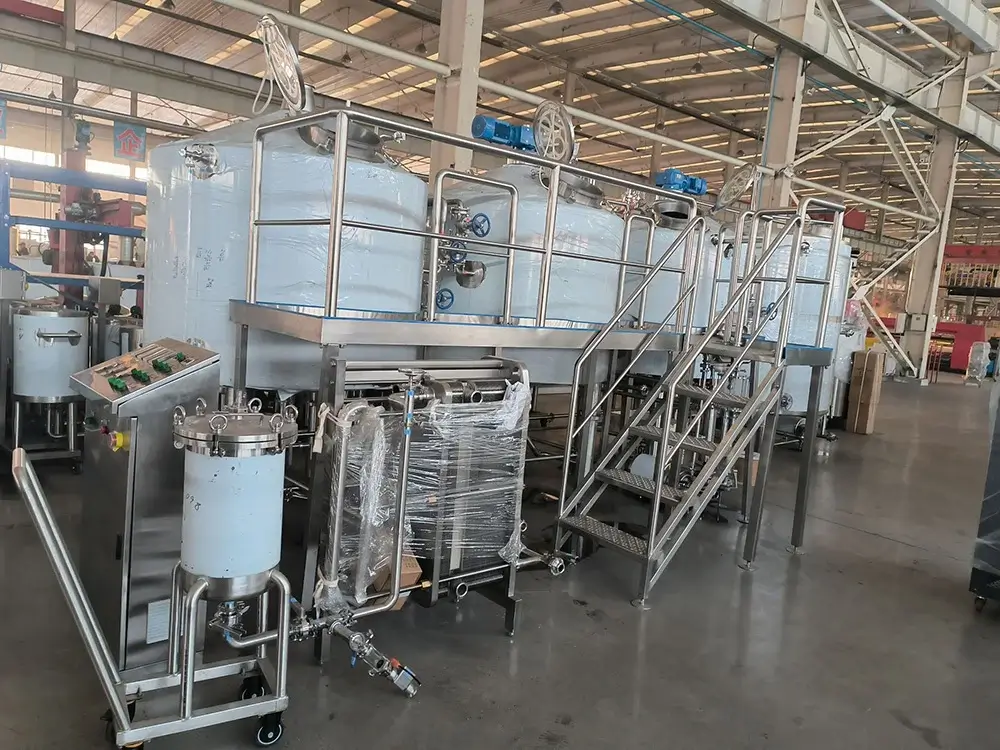
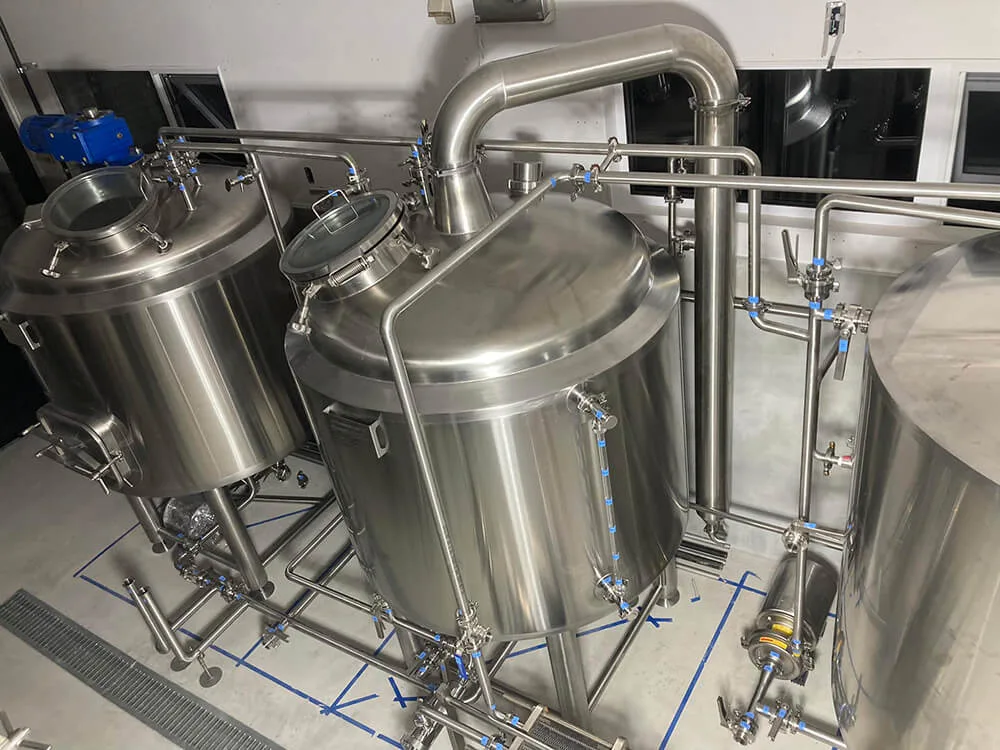
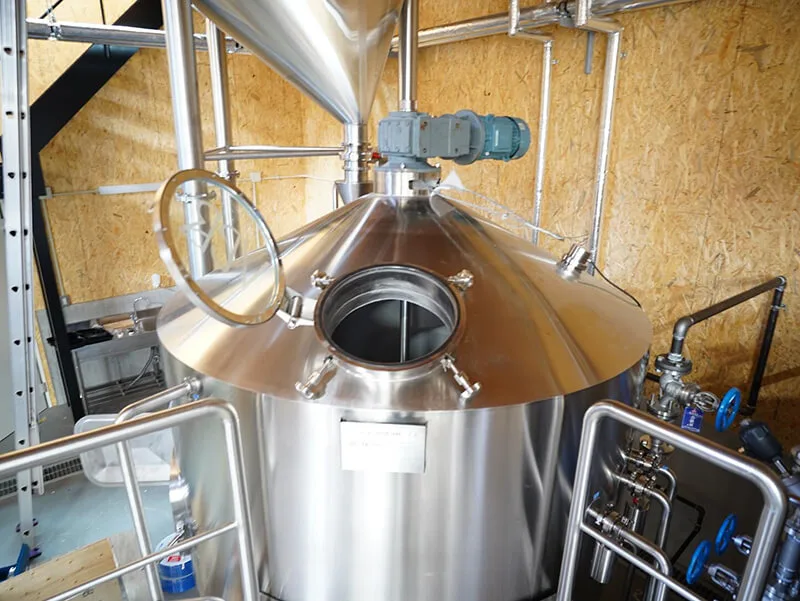
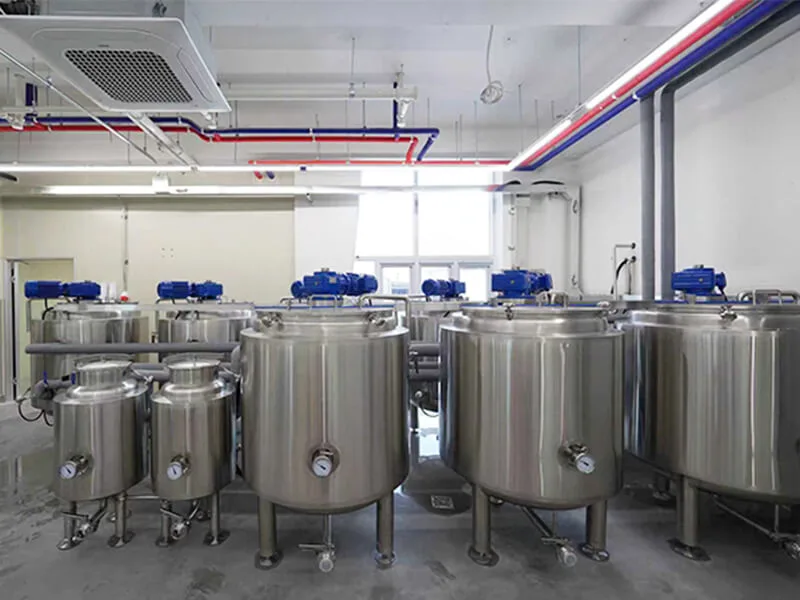
This is why stainless steel mixing tanks have become the industry standard across a wide range of applications. Designed for durability, hygiene, and process efficiency, these tanks provide reliable performance while meeting strict international quality standards.
In this guide, we will explore stainless steel mixing tank materials, design options, industry applications, compliance requirements, and key factors that help maximize your return on investment.
SS304 vs. SS316L: Choosing the Right Material
One of the most important decisions when selecting a stainless steel mixing tank is choosing the appropriate material grade.
SS304 Stainless Steel
SS304 is the most commonly used stainless steel material in industrial mixing applications. It offers excellent corrosion resistance, good mechanical strength, and cost-effective performance.
SS304 mixing tanks are ideal for:
- Food and beverage processing
- Drinking water storage
- General chemical applications
- Agricultural products
- Cleaning solutions
Advantages include:
- Lower initial investment
- Excellent weldability
- Easy maintenance
- Long service life under normal operating conditions
SS316L Stainless Steel
For more demanding applications, SS316L provides superior corrosion resistance due to its molybdenum content.
SS316L is highly recommended for:
- Pharmaceutical manufacturing
- Biotechnology processes
- Cosmetics production
- Fine chemicals
- High-chloride environments
- Export projects serving U.S. and European markets
Benefits include:
- Exceptional resistance to corrosion
- Improved product purity
- Longer equipment lifespan
- Better performance in aggressive chemical environments
Although SS316L has a higher initial cost, many manufacturers find that the reduced maintenance and longer service life generate significant savings over time.
Surface Finishing and Hygienic Design
Material selection is only part of the equation. Surface finish plays a critical role in sanitary applications.
High-end sanitary mixing tanks typically feature:
- Mirror-polished interior surfaces
- Surface roughness Ra ≤ 0.4 μm
- Crevice-free welding
- Dead-zone-free construction
These features improve cleanability, reduce contamination risks, and support compliance with GMP and FDA requirements.
Core Tank Structures and Customization Options
No two production processes are exactly alike. A properly engineered mixing tank should be customized according to product characteristics, viscosity, temperature requirements, and production volume.
Heating and Cooling Systems
Many industrial processes require precise temperature control.
A jacketed stainless steel mixing tank can be configured with:
Riscaldamento elettrico
Ideal for:
- Small to medium production batches
- Facilities without steam systems
- Controllo preciso della temperatura
Riscaldamento a vapore
Preferred by large-scale manufacturers due to:
- Faster heating rates
- Higher thermal efficiency
- Riduzione dei costi operativi
Hot Water Circulation
Suitable for temperature-sensitive materials requiring gentle heating.
For cooling applications, chilled water or glycol systems can be integrated into the jacket design.
Agitation and Mixing Systems
The agitator is the heart of any stainless steel mixing tank.
Paddle Agitators
Ideale per:
- Low-viscosity liquids
- Blending applications
- General mixing
Anchor Agitators
Ideal for:
- High-viscosity products
- Creams
- Syrups
- Adhesives
Frame Agitators
Designed for:
- Thick materials
- Heat-transfer applications
- Slow-speed mixing
High Shear Mixers
Recommended for:
- Emulsification
- Homogenization
- Cosmetic products
- Pharmaceutical suspensions
High shear mixing technology significantly reduces particle size while improving product consistency.
Top Entry vs. Bottom Entry Agitation
Top Entry Mixers
Most commonly used for:
- General-purpose mixing
- Large-capacity tanks
- Cost-effective solutions
Bottom Entry Mixers
Suitable for:
- Complete tank drainage
- High sanitation requirements
- Applications where sediment prevention is critical
Additional Components
Modern mixing vessels can be equipped with:
- Sfere di spruzzatura CIP
- Sight glasses
- Load cells
- Vacuum systems
- Pressure relief valves
- Valvole di campionamento
- PLC control systems
- Automated recipe management
These options improve operational efficiency while reducing labor requirements.
Stainless Steel Mixing Tank Applications Across Industries
Food and Beverage Industry
Sanitary mixing tanks are widely used for:
- Dairy products
- Fruit juice
- Sauces
- Syrups
- Beverage concentrates
- Brewing ingredients
Key requirements include:
- FDA-compliant materials
- Hygienic welds
- Easy cleaning
- CIP capability
Food manufacturers prioritize contamination prevention and production efficiency.
Pharmaceutical and Cosmetic Manufacturing
Pharmaceutical applications demand the highest level of cleanliness and process control.
I prodotti più comuni includono:
- Ointments
- Liquid medicines
- Nutritional supplements
- Lotions
- Shampoo
- Skin-care products
Critical features include:
- SS316L construction
- Mirror polishing
- GMP-compliant design
- Explosion-proof motors
- Automated process control
Chemical Industry
Chemical manufacturers often process aggressive materials that require specialized equipment.
Applications include:
- Paints
- Coatings
- Adhesives
- Solvents
- Resins
- Industrial chemicals
Important considerations include:
- Pressure-rated vessels
- Vacuum mixing systems
- Chemical-resistant seals
- Reinforced structural design
Why Compliance Matters in Global Markets
For international buyers, equipment certification is often as important as performance.
United States Market
For pressure vessels and process equipment, ASME certification is widely recognized as a key requirement.
ASME-certified vessels demonstrate:
- Engineering integrity
- Manufacturing quality
- Regulatory compliance
- Enhanced customer confidence
Many U.S. customers also prefer:
- UL-certified electrical components
- OSHA-compliant safety design
- Imperial unit documentation
European Market
CE certification is mandatory for many industrial equipment categories entering the European market.
European buyers also value:
- Energy-efficient motors
- Sustainable manufacturing
- Low operating costs
- Environmental responsibility
For hazardous environments, ATEX-certified equipment may be required.
Global Standards
International manufacturers often look for suppliers holding:
- ISO 9001 Quality Management Certification
- CE Certification
- ASME Certification
- GMP Manufacturing Standards
These certifications help reduce purchasing risk and strengthen trust.
How Custom Stainless Steel Mixing Tanks Improve ROI
Many buyers focus primarily on purchase price. However, the total cost of ownership often determines long-term profitability.
Longer Equipment Lifespan
High-quality stainless steel tanks can operate reliably for decades with proper maintenance.
Benefits include:
- Reduced replacement costs
- Lower maintenance expenses
- Higher asset value
Energy Savings
Advanced insulation systems and energy-efficient motors reduce utility consumption.
Features such as:
- Polyurethane insulation
- Variable frequency drives (VFD)
- Optimized agitation systems
can significantly lower operating costs.
Reduced Product Waste
Efficient tank design minimizes material loss.
Features include:
- Sloped bottoms
- Full-drain outlets
- Optimized impeller geometry
These design elements improve product recovery and reduce waste.
Increased Production Efficiency
Automation can dramatically improve productivity through:
- Automated recipes
- Real-time monitoring
- Reduced operator intervention
- Consistent batch quality
The result is higher throughput and improved profitability.
How to Choose the Right Stainless Steel Mixing Tank
Before requesting a quotation, buyers should evaluate the following factors:
Production Requirements
- Batch size
- Daily output
- Future expansion plans
Product Characteristics
- Viscosity
- Density
- Corrosiveness
- Temperature sensitivity
Regulatory Requirements
- FDA compliance
- GMP standards
- ASME certification
- CE certification
Livello di automazione
- Manual operation
- Semi-automatic control
- Fully automated systems
Budget and ROI
Rather than focusing solely on purchase price, evaluate:
- Consumo di energia
- Maintenance costs
- Durata di vita delle apparecchiature
- Productivity improvements
The right mixing tank should deliver long-term value rather than simply the lowest upfront cost.

Domande frequenti
What is the difference between a mixing tank and a blending tank?
A mixing tank generally refers to equipment designed to combine ingredients using mechanical agitation, while a blending tank focuses on achieving uniform product consistency. In many industries, the terms are used interchangeably.
Is SS316L worth the additional cost?
For pharmaceutical, cosmetic, and corrosive chemical applications, SS316L often provides better long-term value through reduced maintenance and improved durability.
Can stainless steel mixing tanks be customized?
Yes. Most industrial mixing tanks can be customized with different capacities, agitator types, heating methods, insulation systems, automation levels, and certifications.
What is the typical lead time?
Lead times vary depending on tank size and customization requirements. Standard tanks may be available within several weeks, while highly customized systems may require additional manufacturing time.
Conclusione
Choosing a stainless steel mixing tank is not simply a matter of selecting a vessel size. Material grade, agitator design, heating systems, sanitary requirements, and international certifications all play critical roles in determining long-term performance and profitability.
Whether you operate in the food, pharmaceutical, cosmetic, or chemical industry, investing in the right stainless steel mixing tank can improve product quality, reduce operating costs, and support future business growth.
Request a Free Quote
Looking for a custom stainless steel mixing tank solution?
Contact our engineering team today for:
- Free technical consultation
- Custom tank design recommendations
- Detailed specifications
- Competitive pricing
- Global project support
Get the ideal mixing solution tailored to your production requirements.