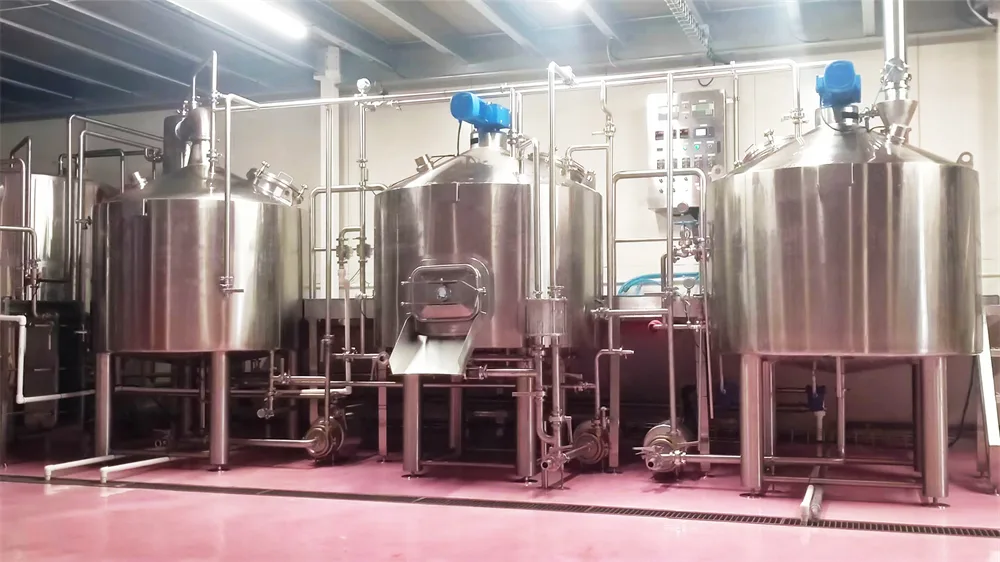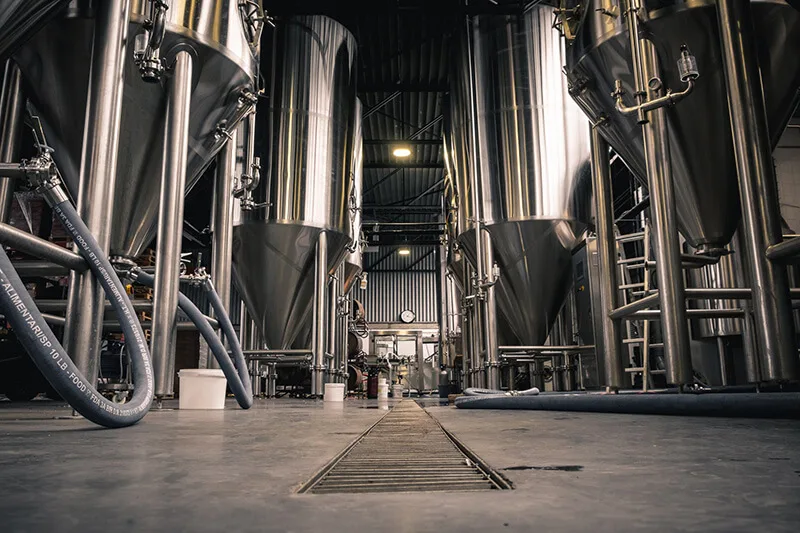
The cleanliness of fermentation tanks is critical to maintaining stable fermentation, pure beer flavor, and safe production. Residues such as proteins, beer stone, or chemical cleaning agents can negatively affect the next fermentation batch, reduce yeast performance, and even cause equipment corrosion or safety hazards.
This guide provides a standardized cleaning procedure (SOP) for fermentation tanks and outlines common cleaning issues and practical solutions. The goal is to help operators maintain high sanitation standards while ensuring equipment safety and consistent beer quality.
Part 1: Standard Cleaning Procedure (Four-Step Method)
Preparation
Before starting the cleaning process, operators must wear full personal protective equipment (PPE), including:
- Chemical-resistant gloves
- Safety goggles or face shield
- Protective clothing
- Rubber boots
Emergency showers and eye-wash stations must be confirmed operational before beginning the cleaning process.
Step 1: Water Rinse (Pre-Rinse)
Operation:
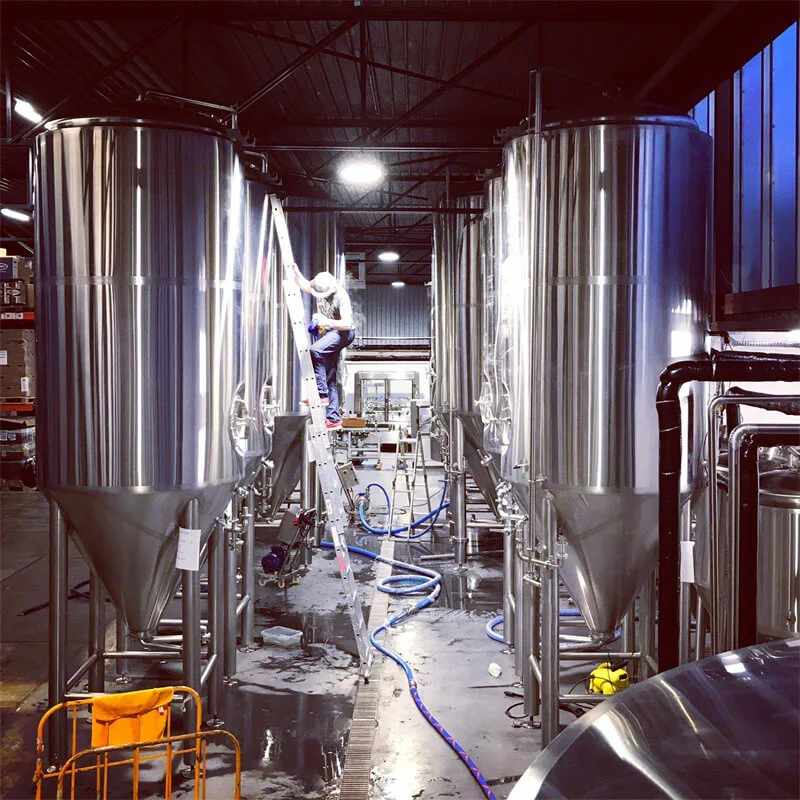
Before filling the fermentation tank, rinse the tank using tap water with intermittent spraying for 15 minutes.
Scopo:
Remove large solid residues and dissolve part of the soluble contaminants.
Important Note:
The beer outlet valve must remain open during rinsing to ensure complete drainage.
Step 2: Caustic Cleaning (Main Cleaning)
Operation:
After draining the rinse water, circulate a 5% caustic soda solution at 45–50°C for 30 minutes.
Monitoring:
The concentration of the caustic solution must be monitored during cleaning. If the concentration drops, it should be replenished promptly to maintain cleaning efficiency.
Completion:
After circulation, recover the caustic solution for reuse.
Safety Warning:
Operators must wear protective equipment at all times. Direct contact with caustic solution is strictly prohibited.
Step 3: Water Rinse (Intermediate Rinse)
Operation:
Drain the caustic solution and perform another 15-minute intermittent rinse using clean water (same method as Step 1).
Verification:
After rinsing, test the pH of the discharged water. The rinse is considered complete when:
- pH value is neutral (6.8–7.2)
- No foam is present in the discharge
Step 4: Hydrogen Peroxide Sanitization
Operation:
After draining the rinse water, circulate a 1% hydrogen peroxide solution for 20 minutes.
Completion:
Completely drain the hydrogen peroxide solution after circulation.
Safety Warning:
Operators must avoid direct contact with hydrogen peroxide and wear appropriate protective gear.
Post-Cleaning Handling
Drainage:
Ensure the tank is completely empty, then close the vent valve, inlet valve, outlet valve, and discharge valve.
Storage Before Use:
If the tank will not be used immediately:
- Maintain slight positive pressure using sterile air or CO₂, or
- Keep the tank dry and sealed
Strictly Prohibited:
Do not use hot water, hypochlorite, chlorine gas, or any chlorine-based disinfectants during fermentation tank cleaning. Chloride ions can cause serious corrosion to stainless steel equipment.
Part 2: Common Problems and Solutions
Incomplete Cleaning
Symptoms
- Beer stone or protein film remains on tank walls
- ATP tests exceed acceptable limits
Possible Causes
- Spray ball blockage or poor rotation
- Insufficient cleaning solution concentration
- Cleaning temperature below 45°C
- Short circulation time
- Residues dried on surfaces before cleaning
Soluzioni
- Inspect and clean spray balls regularly to ensure proper rotation
- Maintain water pressure between 0.2–0.4 MPa
- Keep caustic solution at 5% concentration and 45–50°C
- For heavy beer stone deposits, add an acid cleaning step after caustic washing
- Always perform pre-rinse immediately after fermentation discharge
Chemical Residues
Symptoms
- Slow fermentation start in the next batch
- Reduced yeast activity
- Off-flavors in finished beer
Possible Causes
- Insufficient intermediate rinsing
- Drain valves not fully opened
- Liquid accumulation in piping low points
Soluzioni
- Follow the intermittent rinsing procedure strictly
- Use pH testing of final discharge water as the acceptance standard
- Use sterile compressed air to purge tanks and pipelines after rinsing
- Eliminate design dead zones where liquids can accumulate
Equipment Corrosion and Damage
Symptoms
- Pitting corrosion on stainless steel surfaces
- Hardened or damaged gaskets
Main Causes
- Use of chlorine-based disinfectants such as sodium hypochlorite
- Excessively high cleaning temperatures (>60°C)
Soluzioni
- Strictly prohibit chlorine-based chemicals
- Use hydrogen peroxide or peracetic acid as disinfectants
- Control caustic cleaning temperature at 45–50°C
- Inspect weld seams and tank interiors regularly
- Perform passivation treatment when necessary
Safety Incidents
Risks
- Chemical burns to skin
- Eye injuries from splashes
Causes
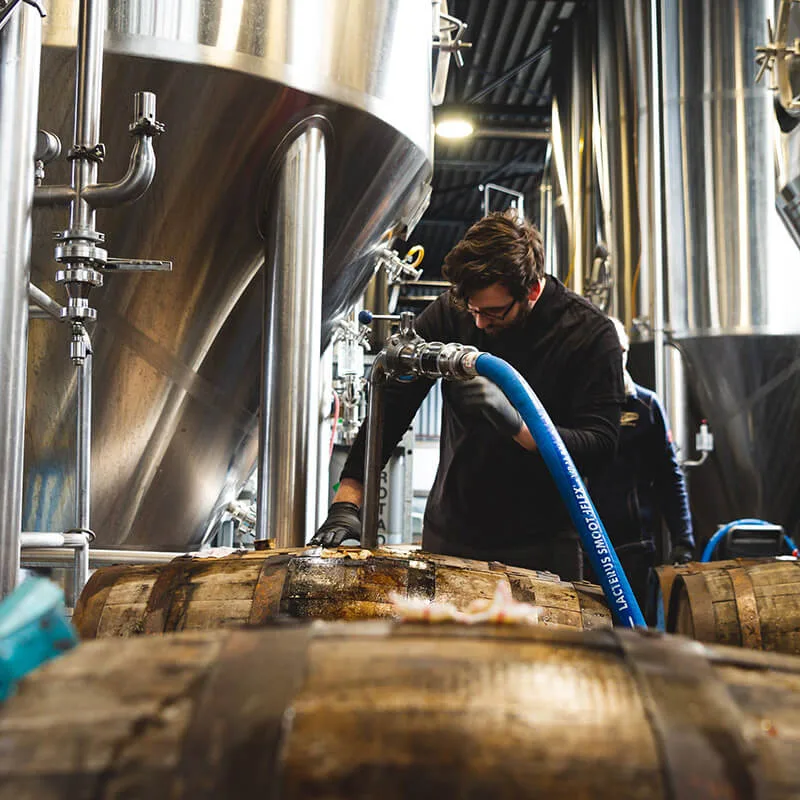
- Operators not wearing protective equipment
- Manual chemical pouring causing splashing
Prevention Measures
- Mandatory PPE during all cleaning operations
- Use closed dosing systems or chemical pumps
- Install emergency showers and eyewash stations
- Conduct regular safety training and emergency drills
Excessive Foam During Cleaning
Symptoms
- Reduced circulation efficiency
- Pump cavitation
Possible Causes
- Highly foaming cleaning agents
- Reaction with residual proteins
Soluzioni
- Use low-foam CIP cleaning chemicals
- Add defoaming agents if necessary
- Ensure return pipelines remain below liquid level to prevent air entrainment
Conclusione
Proper and consistent cleaning is essential for maintaining fermentation stability, product quality, and equipment longevity.
By implementing the standardized four-step cleaning process (water rinse, caustic wash, rinse, hydrogen peroxide sanitization) and carefully controlling key parameters such as temperature, concentration, and cleaning time, breweries can effectively remove residues and microorganisms.
Understanding and preventing common issues—such as incomplete cleaning, chemical residues, equipment corrosion, and safety risks—further improves cleaning effectiveness and operational safety.
Integrating these procedures into routine staff training, automated CIP systems, and regular microbiological verification (such as ATP testing) will help breweries maintain a robust sanitation system and ensure consistent fermentation performance.
If you are planning to build a brewery, feel free to contact us for our equipment list.