As the craft beer industry continues to thrive, more entrepreneurs, brewery owners, and beer enthusiasts are looking to start their own brewing facilities.
But one of the first and most important questions is: What equipment is needed to build a brewery?
This guide breaks down the key systems required to set up a functional and efficient brewery — from brewhouse configuration to water treatment, fermentation, and packaging systems — helping you prepare for a successful brewery launch.
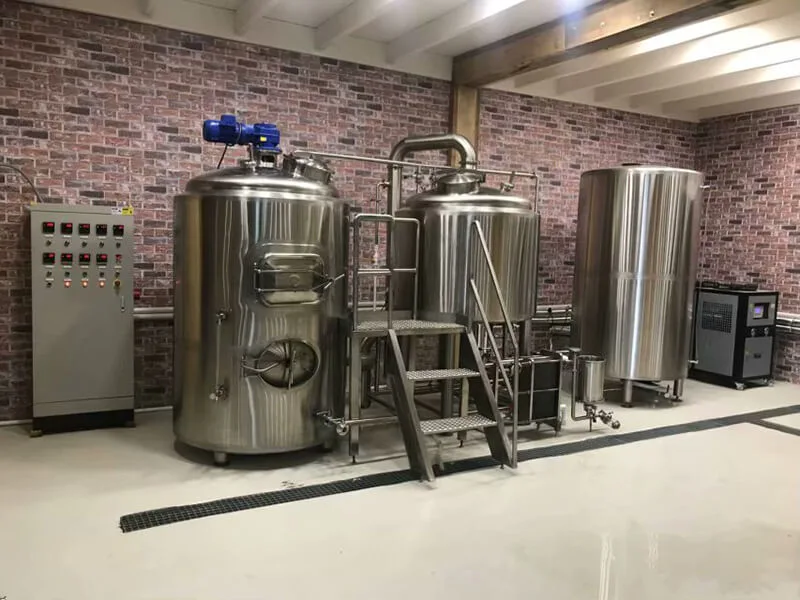
1. Brewhouse System – The Heart of Every Brewery
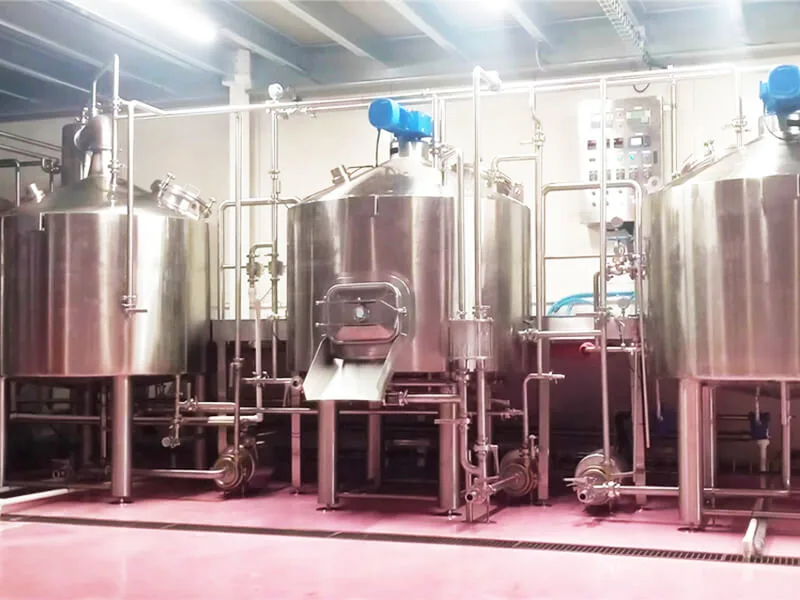
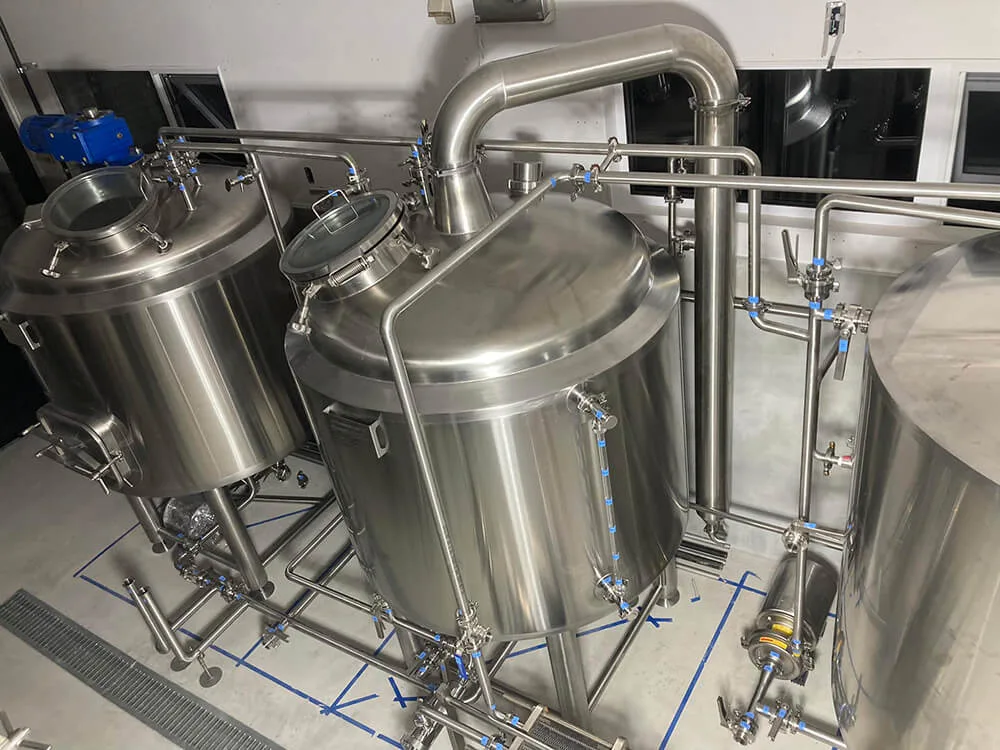
The brewhouse is the core of your brewing operation, where mashing, lautering, boiling, and whirlpooling take place. Depending on production scale, you can choose from 2-vessel, 3-vessel, 4-vessel, or even 5-vessel brewhouse systems.
Main Components:
- Tunnel di ammostamento: Mixes milled grains with water to convert starches into fermentable sugars.
- Tunnel di raffreddamento: Separates the sweet wort from the grain bed.
- Kettle Tun: Boils the wort to sterilize, evaporate unwanted compounds, and add hops for bitterness and aroma.
- Whirlpool Tun: Clarifies the wort by separating solids through a spinning whirlpool motion.
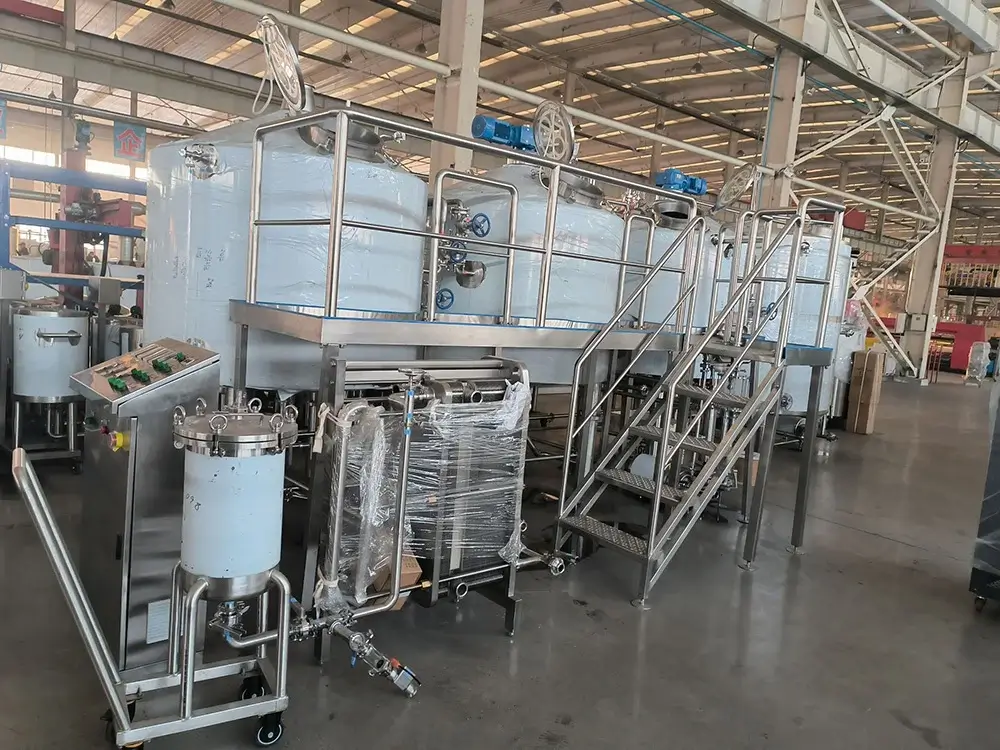
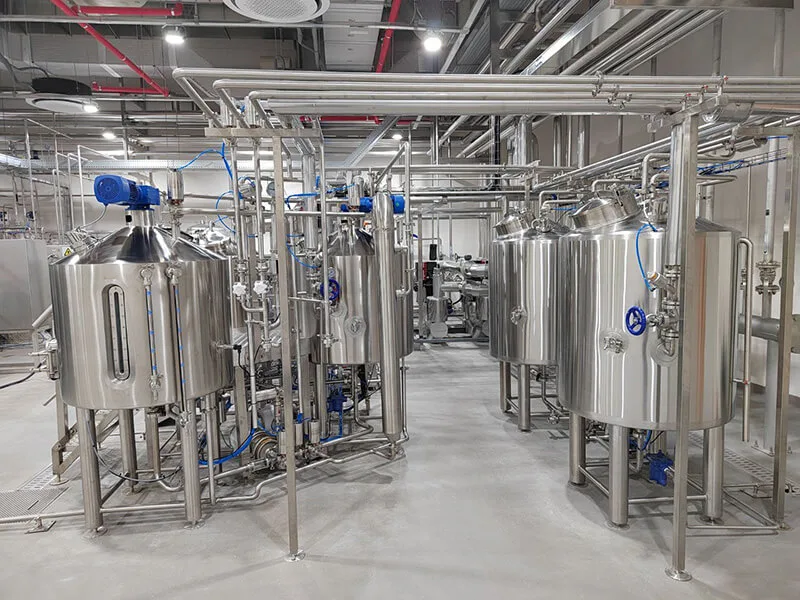
- Auxiliary Systems: Platform, pipelines, valves, pumps, and automation control panels.
Configuration Tips:
- Use stainless steel (SS304) with insulated jackets, agitators, and CIP cleaning ports.
- For larger output, 3/4/5-vessel systems improve brewing efficiency.
- Control panels should cover temperature, pump operation, agitators, and valve switching.
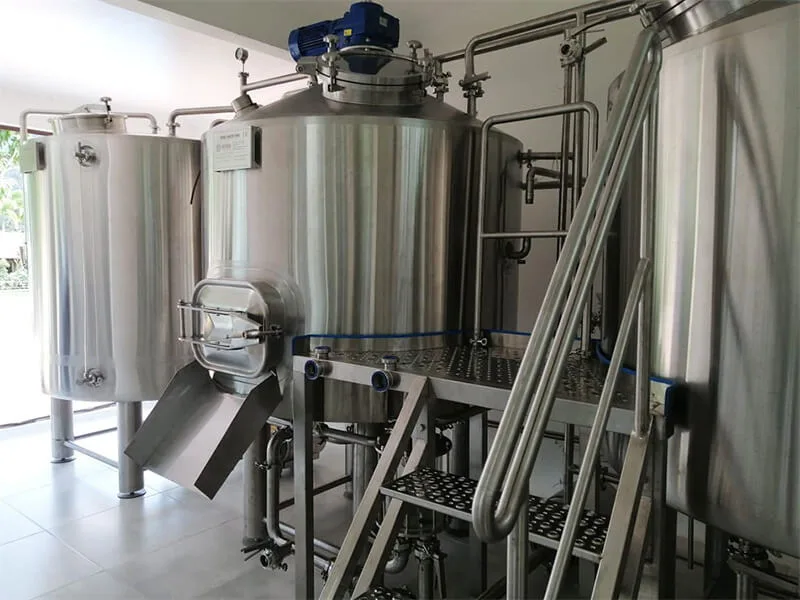
2. Water Treatment and Utility Systems
Quality water is the foundation of great beer. Not all tap water is ideal for brewing — proper filtration and treatment are crucial.
Essential Equipment Includes:
- Reverse Osmosis (RO) Water System: Filtration, storage tanks, and supply pumps.
- Hot Water System: Hot liquor tank (HLT), circulation pumps, and steam connections.
- Chilled Water System: Cold liquor tank (CLT), glycol chiller, and circulation lines.
Setup Tips:
- Plan adequate space and pipelines for hot and cold water systems.
- Check water parameters (chlorine, hardness, impurities) before brewing.
- Consider energy-saving designs such as heat recovery, frequency-controlled pumps, and reduced water ratios.
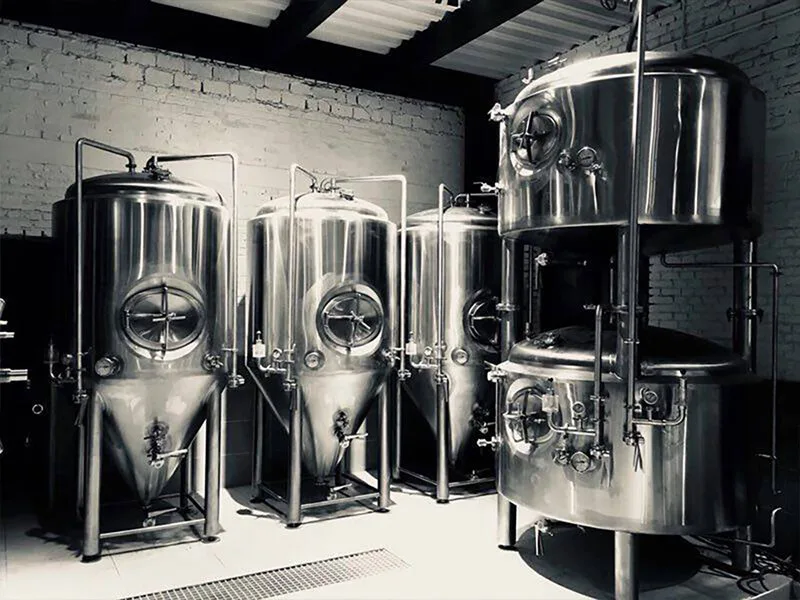
3. Cellar System – Fermentation & Maturation
After the wort is brewed, it must be fermented, matured, and clarified. This stage — often referred to as the cellar system — determines the final quality of your beer.
Key Equipment Includes:
- Fermentation Tanks (Unitanks): For primary fermentation and conditioning.
- Bright Beer Tanks (BBTs): For carbonation, maturation, and packaging preparation.
- Sistema di raffreddamento: Glycol chiller, insulated pipelines, and tank cooling jackets.
- Steam or Electric Heating Systems: Depending on production scale.
- Additional Equipment: Malt mill, conveyors, CIP station, filling and labeling machines.
Configuration Tips:
- Fermentation capacity should be 4–6 times the brewhouse volume to allow multiple batches.
- Cooling systems (glycol pump and piping) must be designed in parallel with tank installation.
- A CIP system (Clean-In-Place) is essential for sanitation and consistent product quality.
4. Common Questions & Key Decisions
Here are some frequently asked questions during brewery setup:
- Which brewhouse size should I start with?
For small commercial breweries (≤15 hL), a 2-vessel system offers the best cost-performance ratio. - How do I size fermentation tanks?
Fermenters and bright tanks should total 4–6 times the brewhouse batch volume. - Steam, electric, or direct fire heating?
Steam offers better temperature control but requires higher initial investment. Electric is ideal for compact facilities. - What water treatment is essential?
At minimum: carbon filtration and sediment removal. Many brewers use RO systems for precise mineral control. - What automation should I invest in first?
Focus on temperature regulation, flow control, online sensors, and CIP automation.
5. Industry Trends & Best Practices
Modern brewery design is evolving rapidly. Here are a few trends worth considering:
- Semi-automation: Recipe storage, auto-cleaning, and process monitoring are becoming standard.
- Sostenibilità: Lower water-to-beer ratios, heat recovery systems, and efficient pumps reduce costs and impact.
- Modular Expansion: Start with a 10–30 hL brewhouse paired with larger cellar capacity to scale easily.
- Smart Brewing: Sensors for gravity, dissolved oxygen, and turbidity are becoming accessible for small breweries.
6. Conclusion – Planning Your Brewery Setup
Before starting your brewery project:
- Define your production goals — daily, batch, and annual output.
- Start with the brewhouse, then expand to utilities, fermentation, and packaging systems.
- Prioritize quality over quantity: invest in reliable controls, cleaning systems, and stainless materials.
- Plan for future expansion in layout and pipeline design.
- Adopt automation and sustainability early — they pay off long-term.
If you’re planning to build or upgrade a brewery, our company provides complete turnkey brewing solutions, including equipment design, layout planning, and technical consultation.
Feel free to contact us for personalized recommendations.
If you are also interested in our brewing equipment , please feel free to contattateci Meto Equipment. Vi consiglieremo le attrezzature per la produzione di birra più adatte alle vostre esigenze e vi forniremo servizi completi e di alta qualità.