Rice wine, a beloved fermented beverage with a history spanning millennia, is deeply rooted in the cultural heritage of many Asian countries. From the mellow richness of Chinese Huangjiu to the milky freshness of Korean Makgeolli, the delicate clarity of Japanese Sake, and the sweet vibrancy of Southeast Asian rice wines, each variety carries unique flavor profiles shaped by traditional brewing techniques, raw materials, and regional preferences. However, translating these time-honored traditions into consistent, high-quality commercial production has long been a challenge for brewers worldwide. This is where Meto steps in—offering tailor-made, complete rice wine equipment solutions that honor traditional craftsmanship while embracing modern standardization, empowering brewers to unlock the full potential of their unique rice wine styles.
The Diversity of Traditional Rice Wines: Craftsmanship That Demands Precision
Every region’s rice wine is a reflection of its culture and environment, with brewing processes refined over generations to achieve distinct sensory characteristics. Understanding these nuances is the foundation of Meto’s customized approach, as each style requires specific equipment capabilities to preserve its authentic flavor while ensuring scalability and hygiene.
Chinese Huangjiu: Mellow Aroma, Time-Honored Fermentation
Chinese rice wine, known as Huangjiu, is one of the oldest fermented wines in the world, with a history dating back over 3,000 years. It uses high-quality rice or glutinous rice as the main raw material, paired with traditional qu (a fermentation starter) to drive the saccharification and fermentation process. The result is a beverage with a mellow, fragrant aroma, smooth mouthfeel, and a balanced sweetness that lingers on the palate. Traditional Huangjiu brewing emphasizes slow fermentation and aging, often in earthen jars, which contributes to its complex flavor profile. However, commercial production requires equipment that can replicate the gentle fermentation conditions of traditional methods while ensuring consistency—especially in controlling temperature and microbial activity to avoid off-flavors. Studies have shown that variations in raw materials, such as glutinous rice from different regions, can significantly impact the microbial community and flavor of Huangjiu, making precise process control even more critical.
Korean Makgeolli: Milky Cloudiness, Fresh Sweet-Sour Notes
Korean Makgeolli stands out with its distinctive milky, naturally cloudy appearance, a result of unfiltered fermentation that retains rice solids and beneficial probiotics. Brewed with short-grain rice, water, and nuruk (a Korean fermentation starter), Makgeolli offers a mildly sweet taste with subtle sour undertones, making it a refreshing, approachable beverage. Unlike aged rice wines, Makgeolli is typically consumed fresh, which means the brewing process must be efficient while preserving its delicate balance of sweetness and acidity. High-temperature fermentation can impact its flavor profile—studies have shown that fermenting Makgeolli at controlled temperatures around 25℃ helps maintain optimal sugar-acid ratios and viable yeast cultures, which are key to its unique taste. For commercial brewers, this requires equipment that supports rapid, clean fermentation and gentle handling to avoid breaking down the rice solids that give Makgeolli its signature texture.
Japanese Sake: Delicate Clarity, Rigorous Precision
Japanese Sake is renowned for its crystal-clear appearance, delicate flavor, and clean finish—qualities that demand extremely strict temperature control and hygiene standards throughout the brewing process. Sake is made from polished rice, water, koji (a mold-based starter), and yeast, with the polishing process removing the outer layers of the rice to enhance its purity. The fermentation of Sake is a precise art: low-temperature fermentation (typically between 10-15℃) is crucial to preserving its delicate aromas and avoiding harsh flavors, while strict hygiene prevents contamination that could ruin the batch. Temperature management is so critical that it directly shapes the flavor of Sake—low temperatures (around 10℃) produce fruity, elegant “ginjo” aromas, while slightly higher temperatures (15-18℃) create a richer, more robust酒体[superscript:7]. Even small fluctuations in temperature or hygiene can alter the final product, making specialized equipment a non-negotiable for Sake brewers.
Southeast Asian Sweet Rice Wines: Rich Sweetness, Ambient Fermentation
In Thailand and other Southeast Asian countries, sweet rice wines are a staple of local cuisine, known for their rich, syrupy sweetness and warm, comforting flavor. These wines are typically brewed using glutinous rice and natural starters, fermented at ambient temperatures—reflecting the region’s tropical climate. The ambient fermentation process allows for the development of complex, sweet flavors, but it also presents challenges in consistency, as temperature variations can lead to unpredictable results. Traditional Southeast Asian rice wine fermentation often uses natural microbial starters, which vary by region and contribute to the unique flavor profiles of each wine. For commercial production, equipment must accommodate ambient fermentation while providing enough control to ensure stability and safety, avoiding over-fermentation or spoilage.
Meto’s Customized Rice Wine Equipment: Where Tradition Meets Modernity
At Meto, we understand that there is no “one-size-fits-all” solution for rice wine brewing. Each style’s unique requirements—from temperature control to filtration needs—demand equipment that is flexible, precise, and tailored to the brewer’s specific goals. Our complete rice wine equipment solutions cover every stage of the brewing process, from raw material preparation to final packaging, ensuring that traditional flavors are preserved while achieving the consistency and efficiency required for commercial success.
1. Rice Steaming Equipment: The Foundation of Quality
The first step in rice wine brewing is steaming the rice to gelatinize its starches, making them accessible for saccharification. Meto offers electric-heated or steam rice steamers, designed to deliver uniform steaming temperatures and consistent results. Our steamers are available in various sizes, from small-scale batches to large-scale commercial production, and are constructed with food-grade materials to ensure hygiene. For glutinous rice used in Huangjiu and Southeast Asian rice wines, precise steaming is critical to avoid undercooking (which leaves starches unutilized) or overcooking (which leads to a sticky, unmanageable mass). Meto’s steamers feature adjustable temperature controls and even heat distribution, ensuring that every batch of rice is perfectly steamed to support optimal fermentation.
2. Brewhouse System (Optional): Precision for Complex Flavors
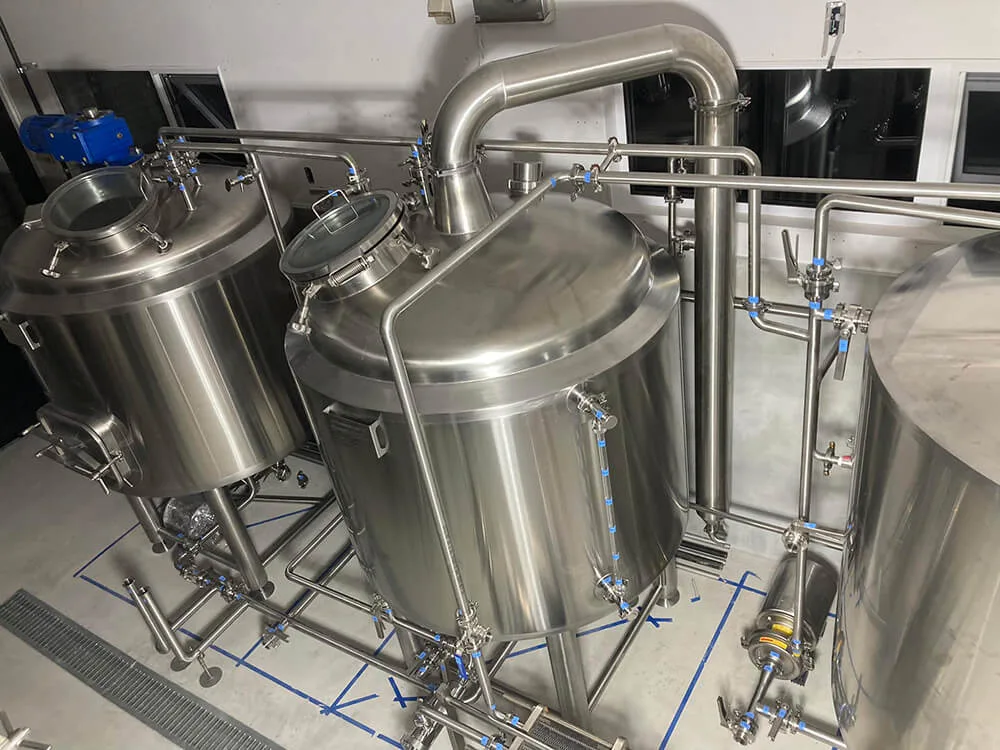
Saccharification—the process of converting rice starches into fermentable sugars—is a key step in rice wine brewing, especially for styles like Huangjiu and Sake that require balanced sweetness and alcohol content. Meto’s optional saccharification system is equipped with jacketed heating, agitation, and precise temperature control, allowing brewers to tailor the saccharification process to their specific needs. For example, Sake brewers may require lower temperatures to preserve delicate flavors, while Huangjiu brewers may need higher temperatures to enhance the development of rich aromas. The agitation feature ensures that the rice and starter are thoroughly mixed, promoting even saccharification and preventing clumping. This level of control ensures that the resulting sugar profile is consistent batch after batch, laying the foundation for a high-quality final product.
3. Fermentation System (Core): The Heart of the Brewing Process
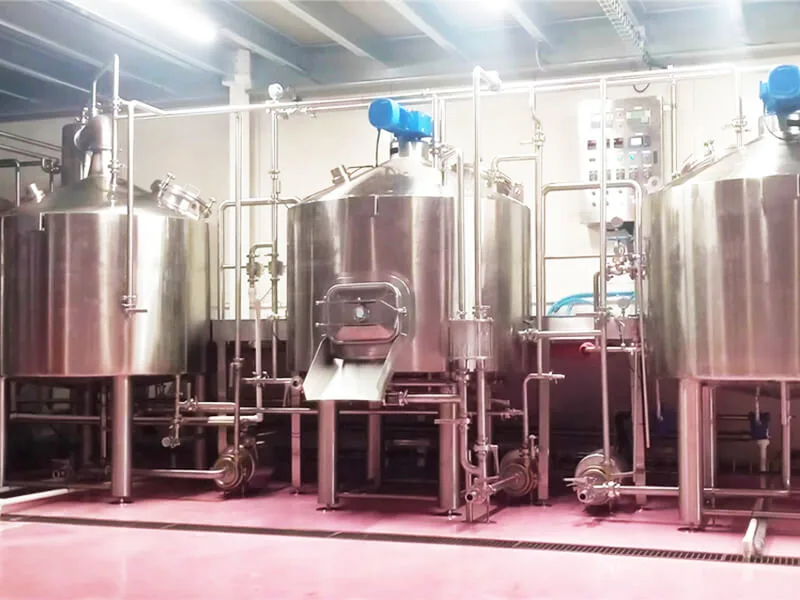
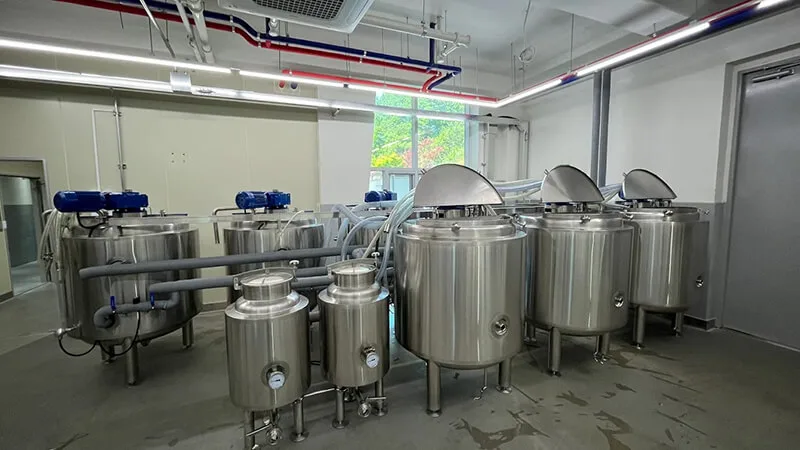
The fermentation system is the core of any rice wine equipment setup, and Meto’s solution is designed to accommodate the diverse needs of different rice wine styles. Our fermentation tanks offer a capacity range of 200 L to 20,000 L, making them suitable for small craft breweries, large commercial facilities, and everything in between. Key features include:
- Jacketed Cooling/Heating: This feature allows precise temperature control, critical for styles like Sake (which requires low-temperature fermentation) and Makgeolli (which benefits from controlled ambient temperatures). The jacketed design ensures uniform temperature distribution throughout the tank, preventing hot spots that could disrupt fermentation. For Sake’s low-temperature fermentation needs, the system can maintain temperatures as low as 10℃, while for Southeast Asian rice wines, it can adapt to ambient conditions while preventing temperature spikes[superscript:7].
- Hygienic, Sealed Operation: The inner surface of our fermentation tanks is polished to Ra ≤ 0.4 μm, a high standard of smoothness that prevents bacterial growth and makes cleaning easy. The sealed design ensures that the fermentation process is free from external contamination, a critical requirement for Sake and Huangjiu, where even minor contamination can ruin the batch. This level of hygiene is also essential for maintaining the probiotic content of Makgeolli, as it prevents the growth of harmful bacteria.
- Versatility: Our fermentation tanks are suitable for all major rice wine processes, from the slow, gentle fermentation of Huangjiu to the rapid ambient fermentation of Southeast Asian sweet rice wines. Whether you’re brewing Sake with strict temperature control or Makgeolli with unfiltered fermentation, Meto’s tanks can be customized to meet your specific process requirements.
4. Filtration System: Tailored Clarity and Texture
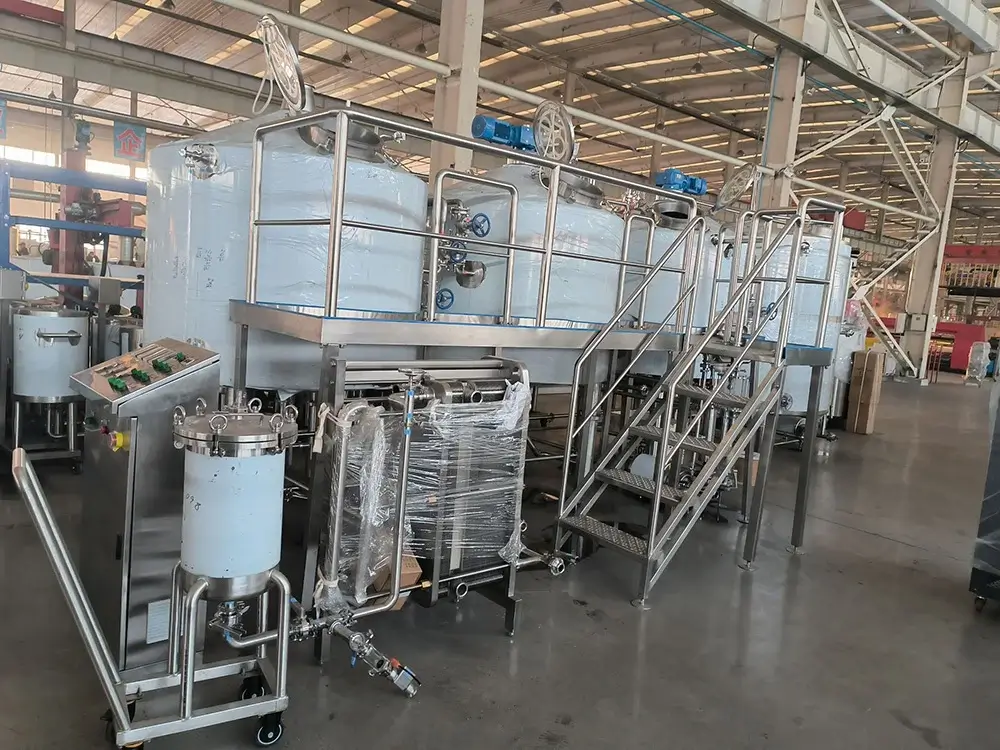
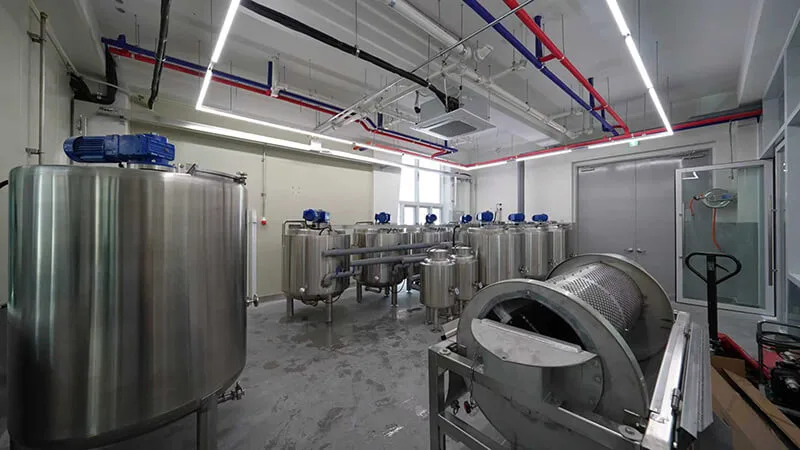
Filtration is a critical step in rice wine production, as it determines the clarity, texture, and shelf life of the final product. Meto offers a range of filtration options to suit different styles:
- Plate-and-Frame Filtration: Ideal for Huangjiu and Sake, this method removes impurities while preserving the wine’s flavor and aroma. It offers precise control over clarity, allowing brewers to achieve the desired level of transparency—from the crystal clarity of Sake to the slight haze of some premium Huangjiu varieties.
- Coarse Filtration Systems: Perfect for Makgeolli, which requires a milky, cloudy appearance. Coarse filtration removes large impurities but retains the rice solids and probiotics that give Makgeolli its signature texture and flavor. This ensures that the wine remains fresh and authentic, without compromising on quality.
- Sake Pressing and Filtration (Optional): For Sake brewers, we offer specialized pressing and filtration equipment that gently separates the Sake from the rice solids (lees) without damaging the delicate flavor. This step is critical for achieving the clean, smooth finish that Sake is known for, and our equipment is designed to minimize oxidation and preserve the wine’s delicate aromas.
5. Storage & Chilling System: Preserving Freshness and Stability
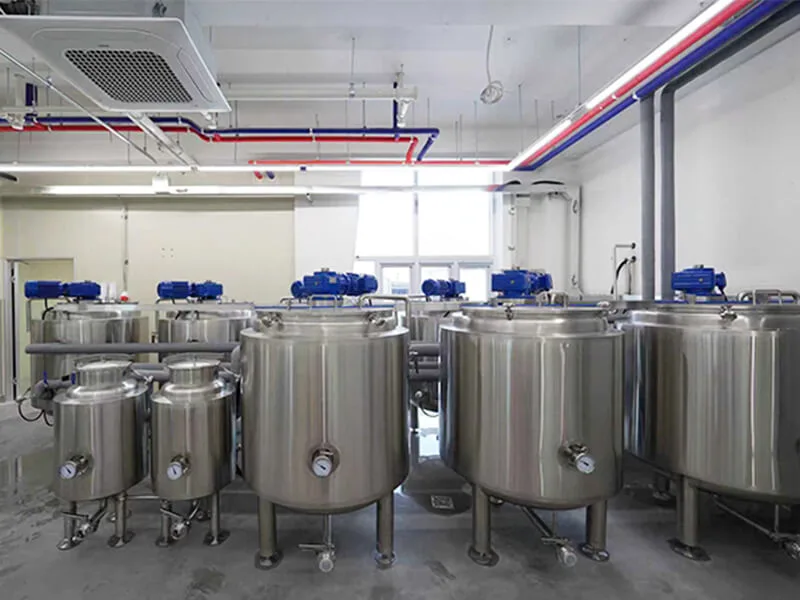
After fermentation and filtration, proper storage is essential to maintain the quality and stability of rice wine. Meto’s storage and chilling system includes insulated tanks and chilled storage tanks, designed to keep the wine at optimal temperatures during aging and storage. For Sake and Makgeolli, which are sensitive to temperature fluctuations, chilled storage prevents spoilage and preserves their delicate flavors. For Huangjiu, which benefits from aging, insulated tanks maintain a consistent temperature to promote the development of complex aromas and flavors over time. The storage tanks are also constructed with food-grade materials and sealed to prevent oxidation, ensuring that the wine remains fresh and flavorful for extended periods.
6. Filling & Packaging System: Efficiency and Hygiene
The final step in the production process is filling and packaging, where efficiency and hygiene are paramount. Meto offers a range of filling and packaging solutions, from semi-automatic filling machines for small-scale breweries to complete bottling lines for large commercial operations. Our equipment is designed to handle different bottle sizes and packaging formats, ensuring flexibility for brewers. An optional pasteurization feature is available for brewers who want to extend the shelf life of their rice wine, particularly important for sweet rice wines and Makgeolli, which are prone to spoilage. The filling machines are equipped with precise volume controls to ensure consistency, and the entire system is easy to clean and sanitize, maintaining the high hygiene standards required for rice wine production.
Why Choose Meto’s Rice Wine Equipment Solutions?
In the competitive world of rice wine production, standing out requires a balance of tradition and innovation. Meto’s customized equipment solutions offer brewers three key advantages:
- Customization: We work closely with each brewer to understand their specific needs, whether they’re producing small-batch artisanal Sake or large-scale commercial Huangjiu. Our equipment is tailored to the unique brewing processes of each rice wine style, ensuring that traditional flavors are preserved while achieving modern standards of consistency and hygiene. Just as we’ve customized microbrewery equipment for educational institutions in Vietnam, we adapt our rice wine solutions to meet the unique requirements of each customer.
- Quality and Durability: Meto’s equipment is constructed with high-quality, food-grade materials, designed to withstand the rigors of commercial brewing. Our fermentation tanks, steamers, and filtration systems are built to last, reducing maintenance costs and ensuring long-term reliability. The polished inner surfaces, sealed operations, and precise temperature controls all contribute to a product that meets the highest industry standards.
- Support and Expertise: Beyond providing equipment, Meto offers comprehensive support to our customers, including installation, training, and technical assistance. Our team of experts has extensive experience in rice wine brewing, and we’re dedicated to helping brewers optimize their processes and achieve the best possible results. Whether you’re new to commercial rice wine production or looking to upgrade your existing equipment, we’re here to guide you every step of the way.
Conclusion: Elevate Your Rice Wine Production with Meto
Rice wine is more than just a beverage—it’s a celebration of culture, tradition, and craftsmanship. At Meto, we believe that modern brewing equipment should honor that tradition while empowering brewers to reach new heights of quality and consistency. Our customized, complete rice wine equipment solutions are designed to bridge the gap between traditional brewing techniques and modern commercial production, ensuring that every batch of rice wine is as authentic, flavorful, and reliable as possible. Whether you’re brewing Huangjiu, Makgeolli, Sake, or Southeast Asian sweet rice wines, Meto has the expertise and equipment to help you succeed. Contact us today to learn how we can tailor a solution to your unique needs and elevate your rice wine production.
Ready to start your brewing journey? Contattateci oggi stesso for a custom quote and layout design!