The global kombucha market has experienced rapid growth in recent years as consumers increasingly seek healthy, probiotic-rich beverages. To meet this demand, beverage producers are transitioning from small-batch brewing to professional kombucha equipment systems that can deliver both scalability and consistent quality.
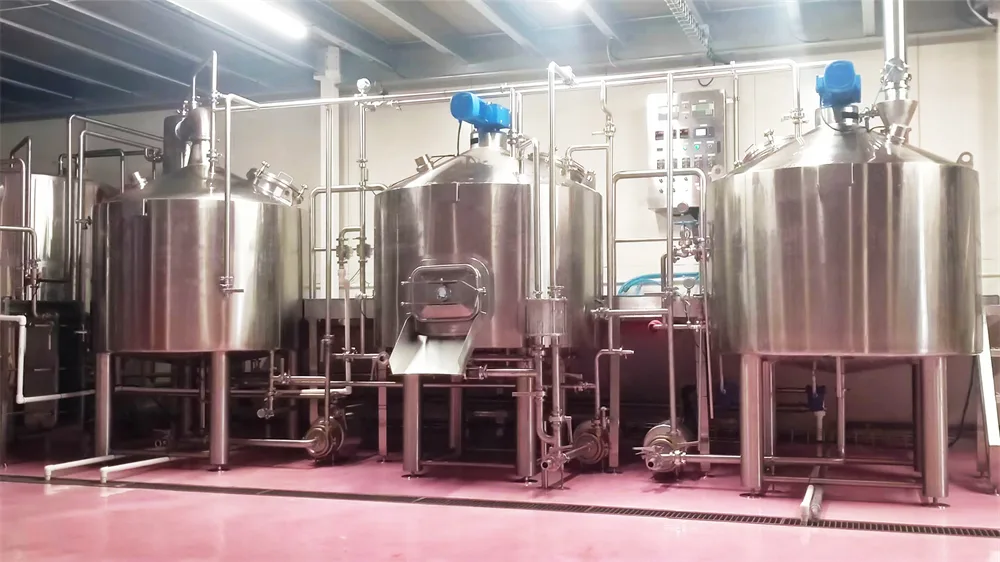
This project showcases a 10HL modern kombucha brewing system designed for a premium fermented beverage producer focused on organic ingredients, sustainable production, and innovative flavors.
As kombucha became the company’s core product line, they required a professional kombucha production system capable of increasing production capacity while preserving the authenticity of traditional fermentation methods. The equipment also needed to support strict food safety standards and provide flexibility for developing new flavors.
To achieve these goals, we designed a fully integrated kombucha equipment solution that combines modern automation with fermentation-friendly tank design.
Project Objectives
The primary goal of this kombucha equipment installation was to create a reliable and scalable fermentation platform that supports consistent product quality while enabling future expansion.
Scalable Production
The system needed to significantly increase production capacity while maintaining the same flavor characteristics associated with craft fermentation.
Fermentation Stability
Kombucha fermentation involves a delicate balance between yeast and bacteria within the SCOBY culture. The equipment had to provide stable environmental conditions to maintain microbial balance and prevent batch variation.
Food Safety Compliance
The entire system was designed according to international food safety standards such as HACCP and ISO 22000, ensuring the producer can easily meet certification requirements.
Flexibility for Flavor Development
Modern kombucha brands rely heavily on seasonal and experimental flavors. The equipment therefore needed to support flexible recipe changes and parallel production.
Kombucha Equipment Configuration
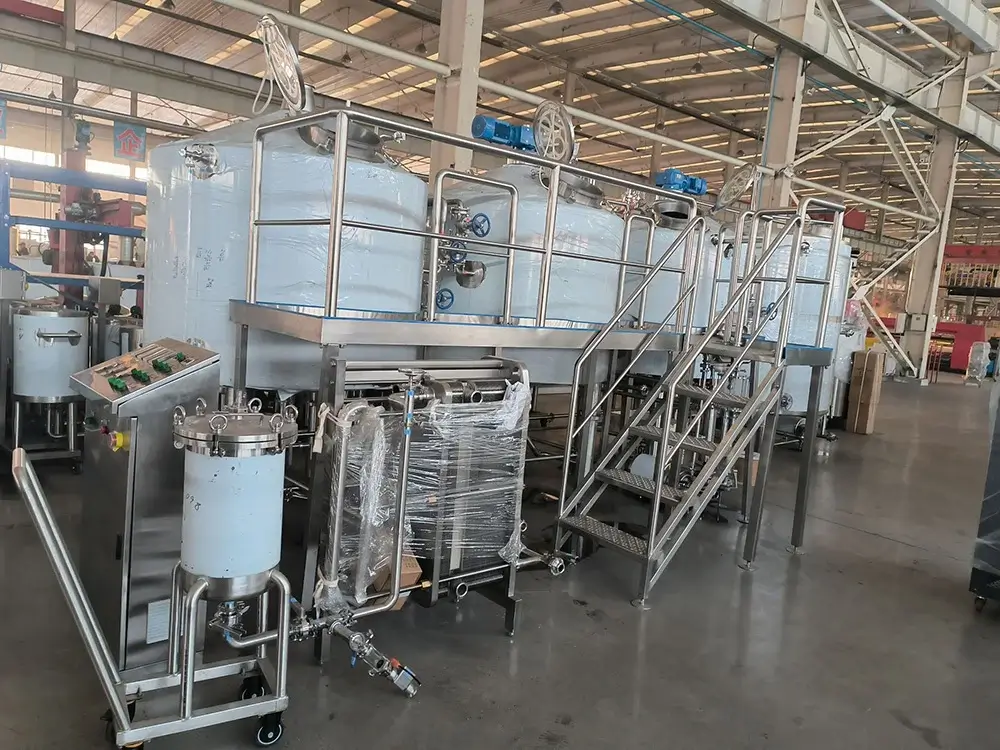
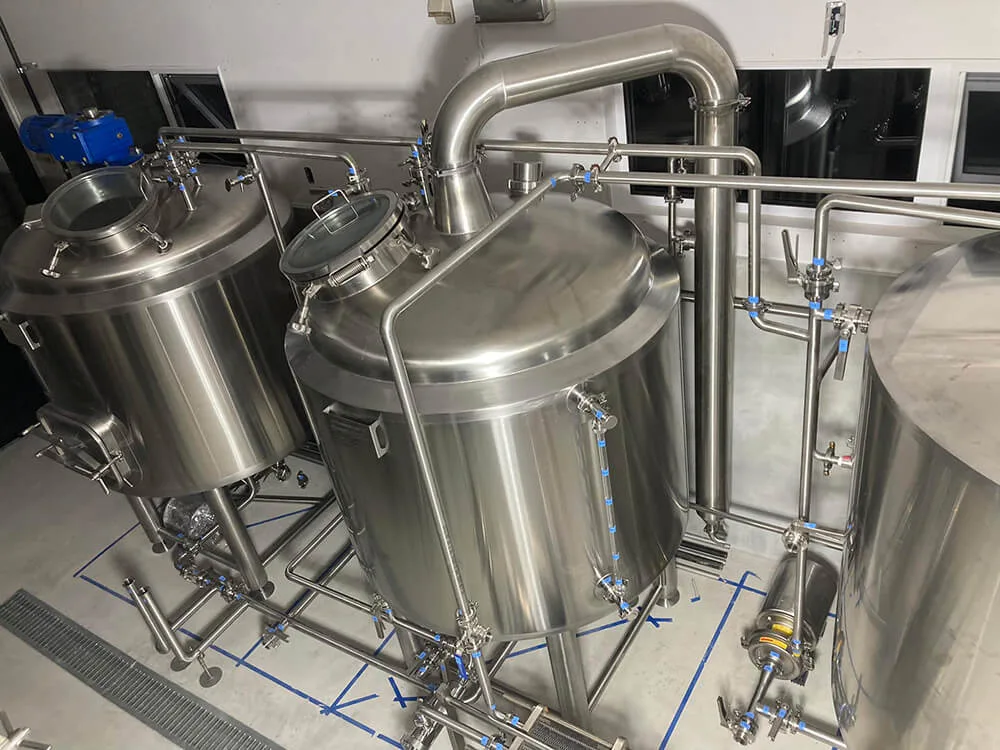
The customized 10HL kombucha brewing system includes several key modules designed for professional fermented beverage production.
Brewing and Extraction Section
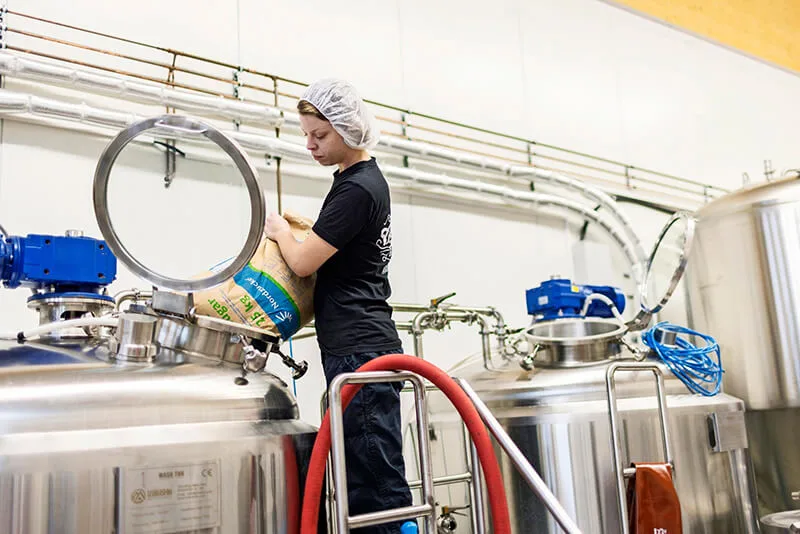
The brewing stage is responsible for preparing the sweet tea base that serves as the foundation for kombucha fermentation.
Configuration:
- 2 × 1000L Brewing Tanks
Caractéristiques principales :
Efficient Mixing System
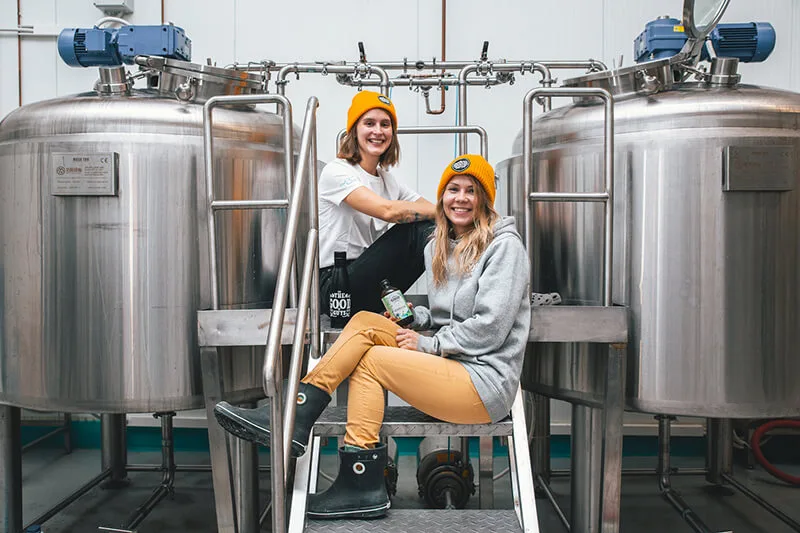
Each brewing vessel is equipped with a high-quality motor-driven agitator that ensures uniform mixing of tea, sugar, and additional ingredients. This design maximizes extraction efficiency while maintaining consistency between batches.
Precision Temperature Control
Electric heating systems allow brewers to control the extraction temperature precisely, making it possible to optimize brewing conditions for different tea varieties such as green tea, black tea, or oolong tea.
Food Grade Materials
All product-contact surfaces are made from 316L stainless steel, which ensures durability, hygiene, and compatibility with organic beverage production standards.
Kombucha Fermentation System
Fermentation tanks are the core component of any kombucha equipment setup, as they support the complex biological processes responsible for kombucha’s unique flavor and probiotic characteristics.
Configuration:
- 2 × 2000L Kombucha Fermentation Tanks
Caractéristiques principales :
SCOBY-Friendly Design
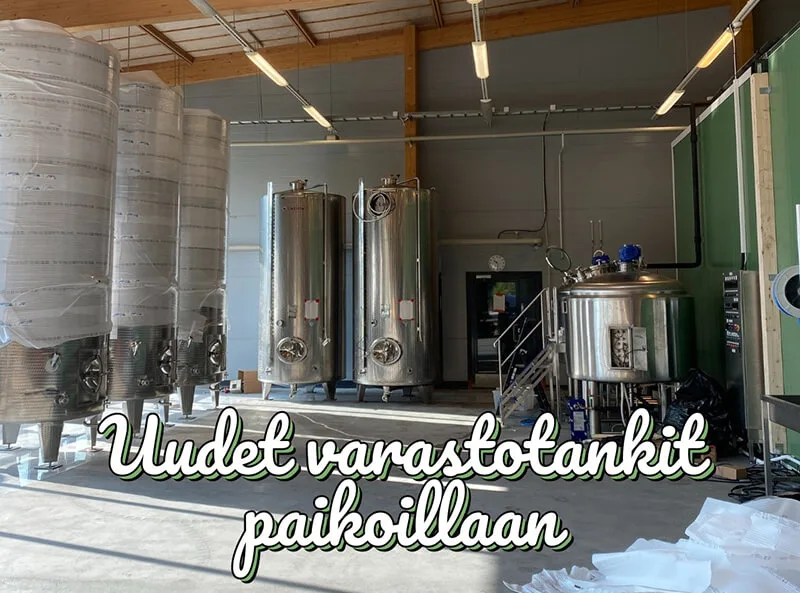
The tanks feature large top manways that allow brewers to easily inspect SCOBY growth, take samples, and perform cleaning operations.
Structure optimisée du réservoir
Smooth internal surfaces and carefully designed tank geometry prevent residue buildup and reduce the risk of contamination.
Micro-Oxygen Fermentation Environment
Specialized valves allow controlled oxygen exposure, supporting the metabolic activity of acetic acid bacteria during primary fermentation.
Système de refroidissement au glycol
Temperature stability is one of the most important factors in kombucha fermentation.
Configuration:
- 2500L Glycol Water Tank
- 2 × 5HP Glycol Chillers
Key Advantages:
Stable Fermentation Conditions
The glycol system maintains temperature fluctuations within ±0.5°C, ensuring consistent microbial activity.
Rapid Cooling Capability
After fermentation reaches the desired flavor profile, the system can quickly reduce temperature to below 4°C, effectively stopping fermentation and preserving the optimal balance of acidity and sweetness.
CIP Cleaning System
Maintaining hygiene is essential in kombucha production because the acidic environment can easily attract unwanted microorganisms.
Configuration:
- 150L Automatic CIP Cleaning System
Caractéristiques principales :
Automated Cleaning Cycles
The CIP unit performs automated acid washing, alkaline cleaning, and hot water sterilization to ensure tanks remain hygienic between batches.
Reduced Contamination Risk
The mirror-polished tank interior (Ra ≤ 0.4 μm) prevents microbial adhesion and improves cleaning efficiency.
Fast Flavor Switching
The system allows producers to switch quickly between different flavor recipes without risk of residual off-flavors.
Advantages for Multi-Flavor Kombucha Production
One of the biggest strengths of this kombucha equipment system is its flexibility in producing multiple product variations.
Parallel Fermentation
With two independent fermentation tanks, producers can run different recipes simultaneously. For example, one tank can produce classic ginger kombucha while the other produces tropical fruit flavors.
Precision Temperature Management
Fermentation temperature can be adjusted between 18°C and 30°C depending on the desired flavor profile.
Lower temperatures promote delicate floral aromas, while higher temperatures accelerate fermentation and increase acidity.
Flexible Ingredient Addition
The large manway design allows easy addition of fruits, herbs, spices, and functional ingredients during fermentation.
Carbonation Control
The system also supports controlled pressure fermentation and optional forced carbonation before packaging.
Seasonal Kombucha Flavor Strategy
The flexibility of the system allows producers to introduce seasonal flavor collections throughout the year.
Spring flavors may focus on floral teas and berries, while summer releases often feature tropical fruits and citrus notes. Autumn recipes frequently incorporate spices such as cinnamon and apple, while winter flavors highlight warming ingredients like ginger and dark berries.
By quickly switching recipes and fermentation parameters, producers can maintain constant innovation in their product line.
Project Results
After commissioning the kombucha brewing system, the client achieved several significant improvements.
Production Capacity Increased
The new equipment significantly increased daily output, allowing the company to expand distribution into new markets.
Improved Product Consistency
Controlled fermentation conditions reduced batch-to-batch variation and stabilized flavor quality.
Faster Product Development
New flavor testing cycles were reduced from weeks to only a few days.
Lower Operational Costs
Automated cleaning and temperature control reduced labor requirements and improved energy efficiency.
Conclusion
This kombucha equipment system demonstrates how modern brewing technology can support the rapid growth of fermented beverage brands.
By combining traditional kombucha fermentation principles with advanced engineering design, the system provides producers with a reliable platform for scaling production, maintaining consistent quality, and continuously innovating new flavors.
For companies looking to enter or expand in the kombucha market, professional kombucha brewing equipment is the key to achieving both efficiency and product excellence.
contact the Meto team to visit and start your brewing journey!