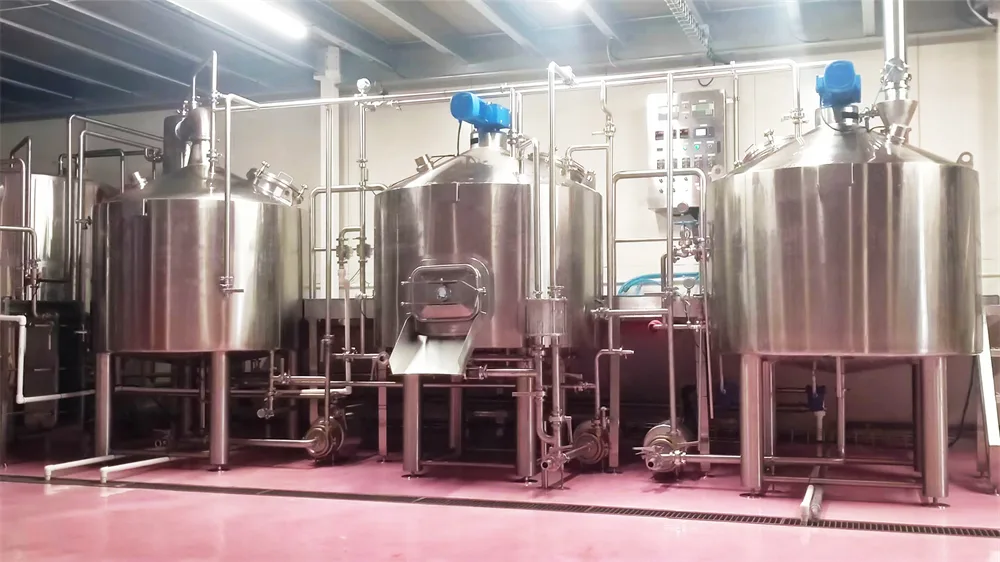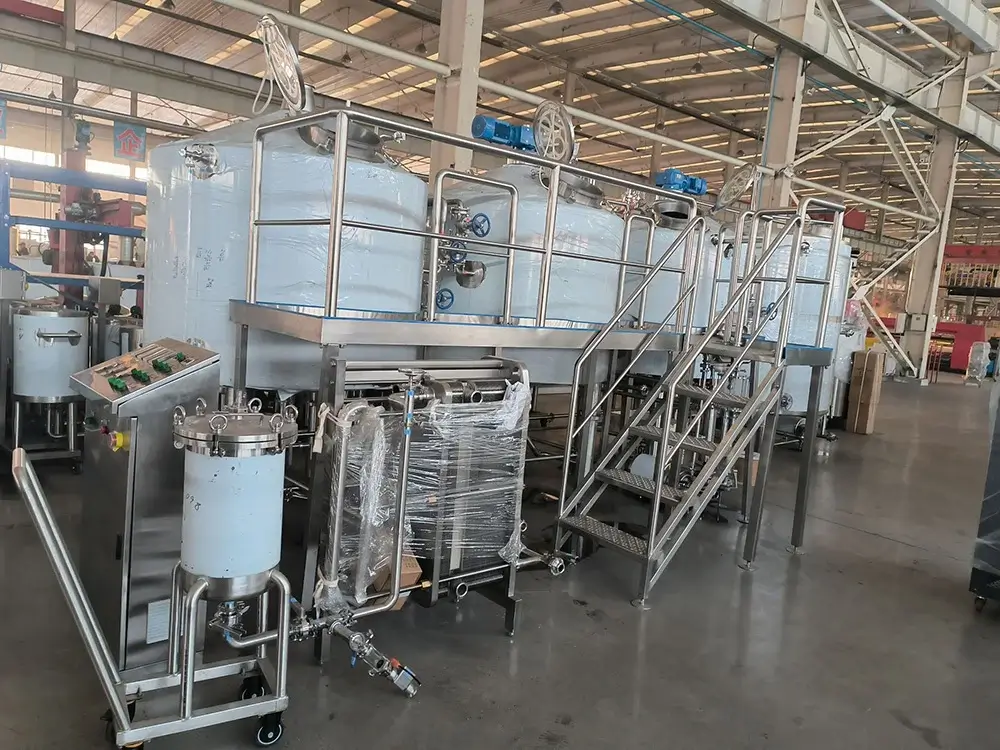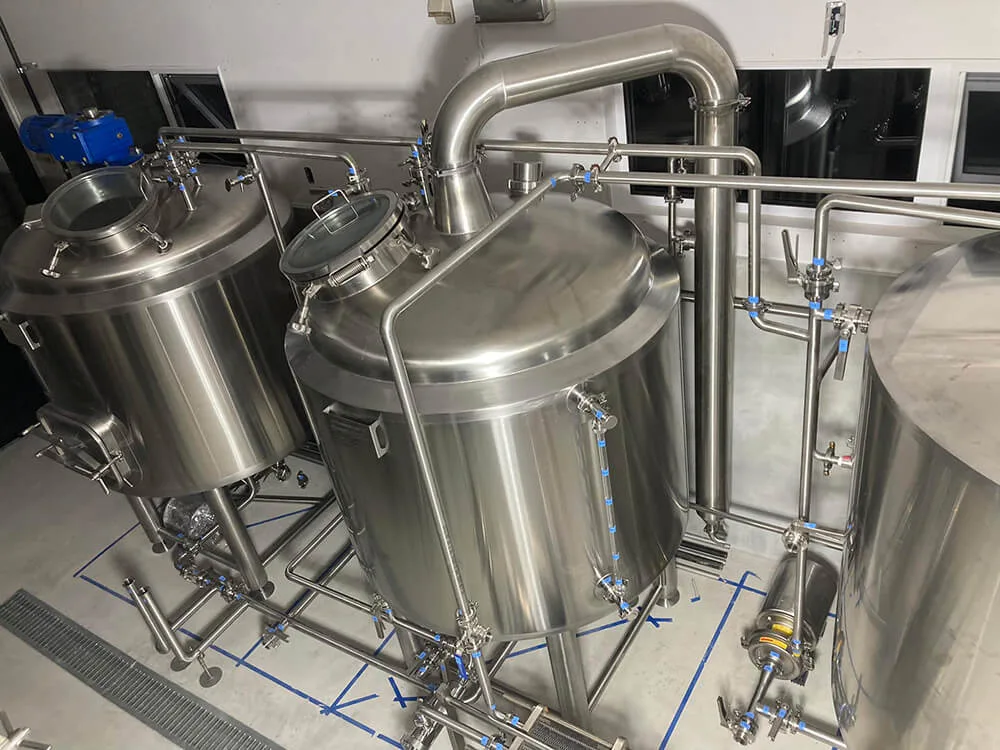

Running a craft brewery is exciting, creative, and rewarding, but it also comes with real operational challenges. Even the most passionate brewers eventually face mechanical failures, unexpected downtime, or disappointing batches caused by brewery equipment problems. The key to success is not avoiding problems entirely—it’s understanding where they come from and how to solve them efficiently.
This article explores the most common equipment issues found in craft breweries, why they happen, and practical solutions to prevent them from affecting production and beer quality.
Why Equipment Reliability Matters in a Craft Brewery
Quality craft beer depends on control: precise temperatures, efficient transfers, clean processing lines, and stable fermentation environments. When any part of the system fails—whether a pump stops working, a heat exchanger clogs, or a fermentation tank leaks—production slows and product quality suffers.
A successful brewery must combine good brewing skill with well-designed brewery equipment. Poor design or neglected maintenance can lead to:
- Production delays and long brew days
- Inconsistent flavor and beer instability
- Higher operational costs due to inefficiency or waste
- Safety hazards for the brewing team
- Lost revenue due to contaminated or ruined batches
Understanding these risks early helps protect your investment and brand reputation.
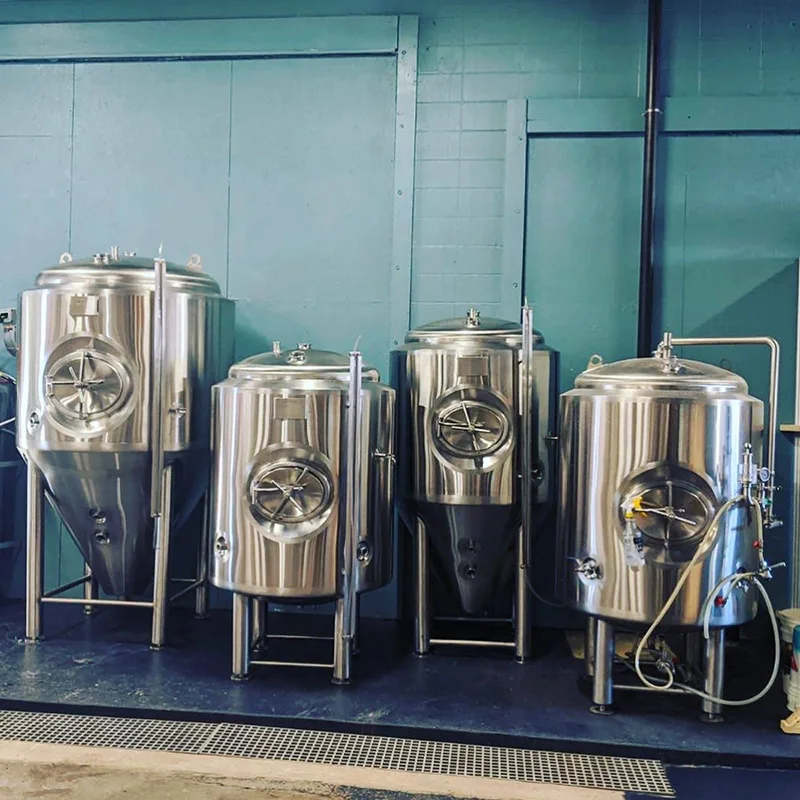
Common Brewery Equipment Issues & How to Fix Them
1. Pump & Wort Transfer Problems
Typical issues
- Slow or interrupted transfers between brewhouse vessels
- Cavitation or vibration during operation
- Blocked hoses from grain particles or hop residue
Why it happens
- Pumps are undersized for the brewhouse capacity
- Incorrect pump type (e.g. magnetic vs. centrifugal)
- Too much head pressure or long hose distances
Solutions
- Choose pumps sized appropriately for batch volume and head height
- Install hop filters or screens before pumps
- Use strong sanitary hoses with correct diameters
- Maintain pump seals and impellers regularly
2. Inefficient Cooling & Heat Exchange Systems
Typical issues
- Excessive time to cool wort to pitching temperature
- High glycol consumption
Common causes
- Dirty or scaled heat-exchanger plates
- Glycol chiller too small for current brewhouse capacity
- Incorrect glycol/water ratio
Solutions
- Clean heat exchanger surfaces regularly with proper chemicals
- Upgrade glycol system when scaling production
- Monitor flow rates and coolant temperatures
- Install backup temperature sensors to detect performance loss early
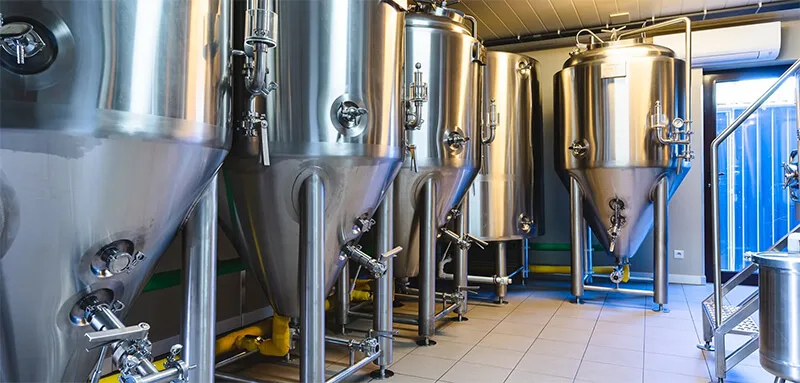
3. Fermentation Tank Problems
Typical issues
- Temperature fluctuations and uneven fermentation
- Foaming or pressure-overload problems
- Internal tank cleaning difficulties
Why it happens
- Insufficient glycol jackets and poor insulation
- Poor tank geometry or internal dead corners
- Inconsistent CO₂ venting
Solutions
- Select tanks with complete glycol-jacket coverage (body + cone)
- Ensure pressure-relief valves are inspected regularly
- Use tanks with smooth welds, correct slope, and accessible manways
- Track fermentation curves with a digital control system
4. Cleaning & Sanitation Failures (CIP Issues)
Typical issues
- Contamination from bacteria or wild yeast
- Persistent off-flavors or haze problems
- Biofilm buildup in hoses or pipe corners
Root causes
- CIP spray ball doesn’t reach all internal surfaces
- Poor chemical cycle control
- Pipe design includes dead-legs that trap liquid
Solutions
- Design equipment layout to support complete CIP coverage
- Use correct chemical concentration and cycle times
- Follow cleaning logs and rotate sanitizers to prevent resistance
- Replace worn hoses and fittings proactively
5. Brewing System Layout Inefficiencies
Typical problems
- Long, exhausting brew days
- Cross-traffic between hot and cold zones
- Workers constantly moving hoses and pumps
Why it matters
Better layout = faster brewing, safer working, lower labor cost.
Solutions
- Keep production flow linear from milling → brewhouse → cellar → packaging
- Minimize unnecessary hose distance
- Plan for future expansion even when small
6. Safety & Pressure Control Problems
Typical risks
- Tank over-pressure from fermentation activity
- Carbonation accidents or foam-outs
- Chemical handling hazards
Prevention
- Install certified PRVs (pressure relief valves)
- Check manway gaskets and clamps regularly
- Mark all electrical, hot-zone, and chemical areas clearly
Safety problems multiply when ignored—schedule maintenance like part of the brew schedule.
How to Prevent Brewery Equipment Problems
✔ Use reliable and correctly sized equipment
Don’t buy only for today—plan capacity for growth.
✔ Maintenance scheduling
Preventive maintenance saves more than emergency repairs cost.
✔ Track performance digitally
Data-logging temperature, pressure and consumption gives early warning signs.
✔ Train staff
Even the best equipment fails when used incorrectly.
Conclusion
Craft brewing is both art and engineering. Great beer doesn’t come only from recipes—it relies on reliable, durable, and properly maintained brewery equipment. By understanding common equipment problems and solving them before they become major failures, craft breweries can improve efficiency, maintain consistent quality, and operate safely and profitably.
A strong equipment foundation is not a cost—it is an investment that protects every batch of beer you produce.
Si vous avez des questions sur le brassage, n'hésitez pas à nous contacter. nous contacter Equipement Meto.