You’ve got the recipe. You’ve got the passion. But turning that vision into a working, scalable brewery? That’s where most brewers get stuck.
Choose poorly, and you’ll waste capital, floor space, and precious brewing time. Choose wisely—and you’ll launch faster, brew cleaner, and scale smarter.
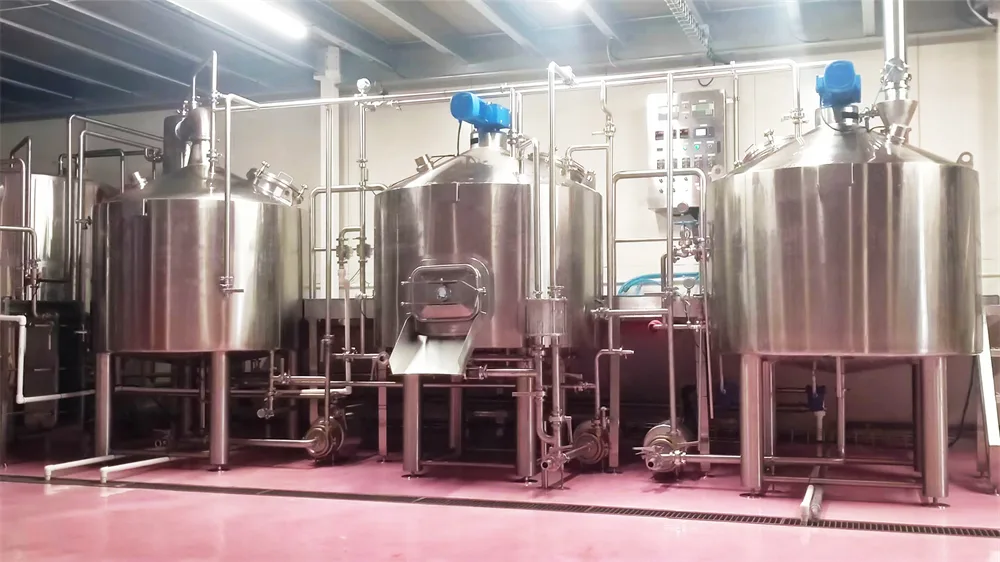
At its core, a true brewery solution isn’t just tanks and pipes. It’s an integrated system—brewhouse, cellar, controls, sanitation, layout, and support—designed around your beer, your team, and your growth trajectory.
As a global manufacturer of turnkey brewing systems, we’ve helped hundreds of craft producers—from taproom startups to multi-brand beverage groups—build breweries that run smoothly from day one and evolve with demand.
Here’s how to think about your system the right way.
1. What Makes a “Complete” Brewery Solution?
A complete solution spans the entire production chain:
- Hot side: Mash tun, kettle, whirlpool
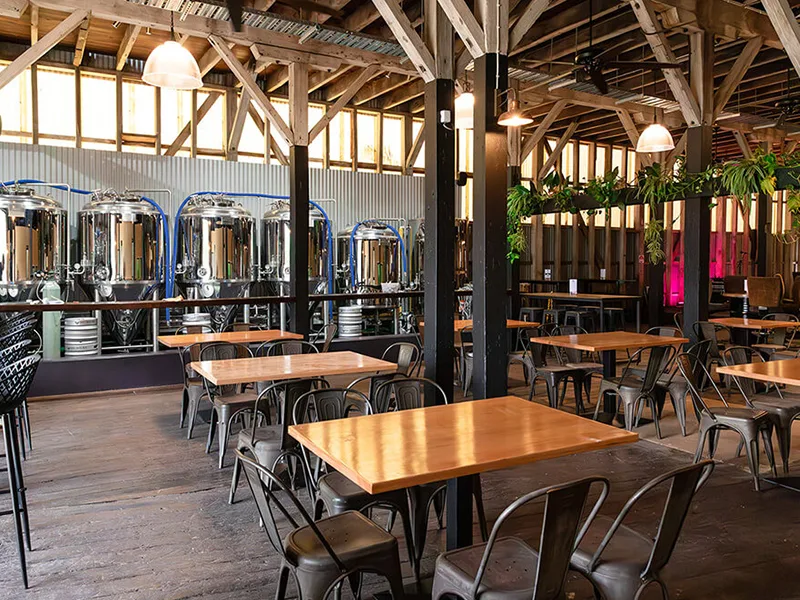
- Cold side: Fermenters, bright tanks, glycol system
- Utilities: Steam/electric heating, water prep, compressed air
- Automatisation: Temperature control, pump sequencing, batch logging
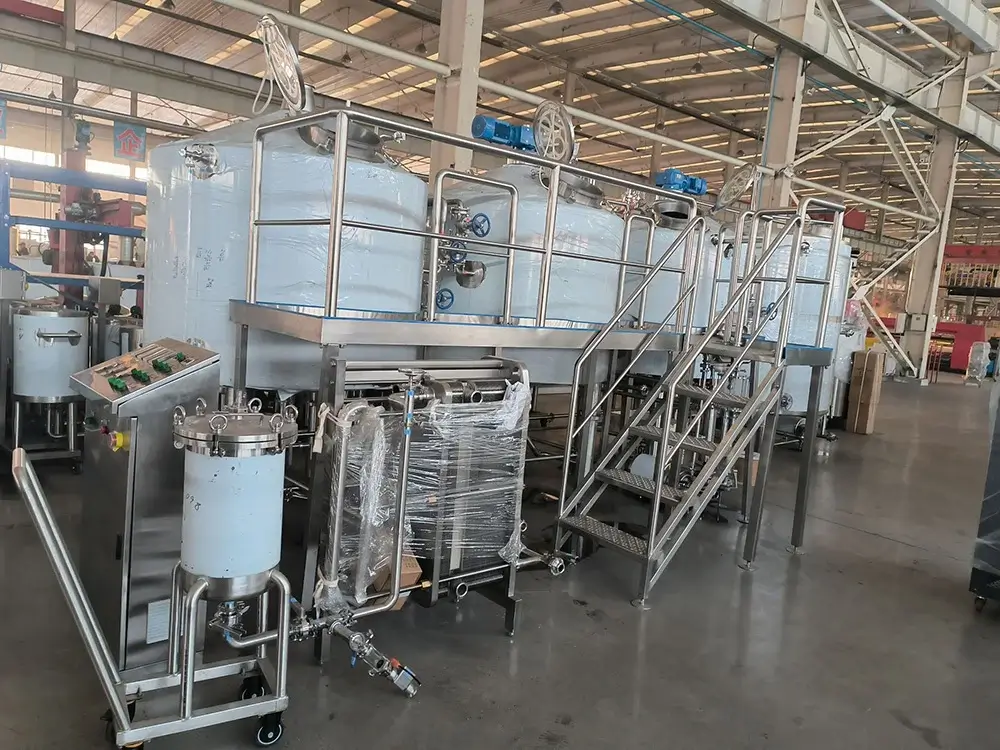
- Sanitation: CIP (Clean-in-Place) carts, chemical dosing, SOPs
- Packaging: Counter-pressure fillers, seamers, labeling
- Support: Training, commissioning, spare parts, remote diagnostics
But more importantly—it’s aligned. Your vessel sizes match your brewhouse output. Your control logic reflects your recipes. Your layout minimizes hose runs and cross-contamination risk. Everything works together, not just side by side.
Think of it like this: Equipment is hardware. The solution is the operating system.
2. Right-Sizing Your System: Capacity vs. Reality
Don’t size by dreams—size by weekly turns and SKU complexity.
- A 5–10 bbl (600–1200L) brewhouse suits most taprooms launching with 4–8 core beers.
- If you’re doing frequent double batches or high-demand seasonals, consider 15 bbl+.
- For every brewhouse batch, plan for 2–3 fermentation vessels to avoid bottlenecks.
Pro tip: Use horizontal space wisely. Aisles, hose reels, and CIP stations need room. A cramped cellar kills efficiency—even if your tanks fit.
And always include at least one bright tank with precise carbonation control. It’s the secret to fast turnaround and consistent draft quality.
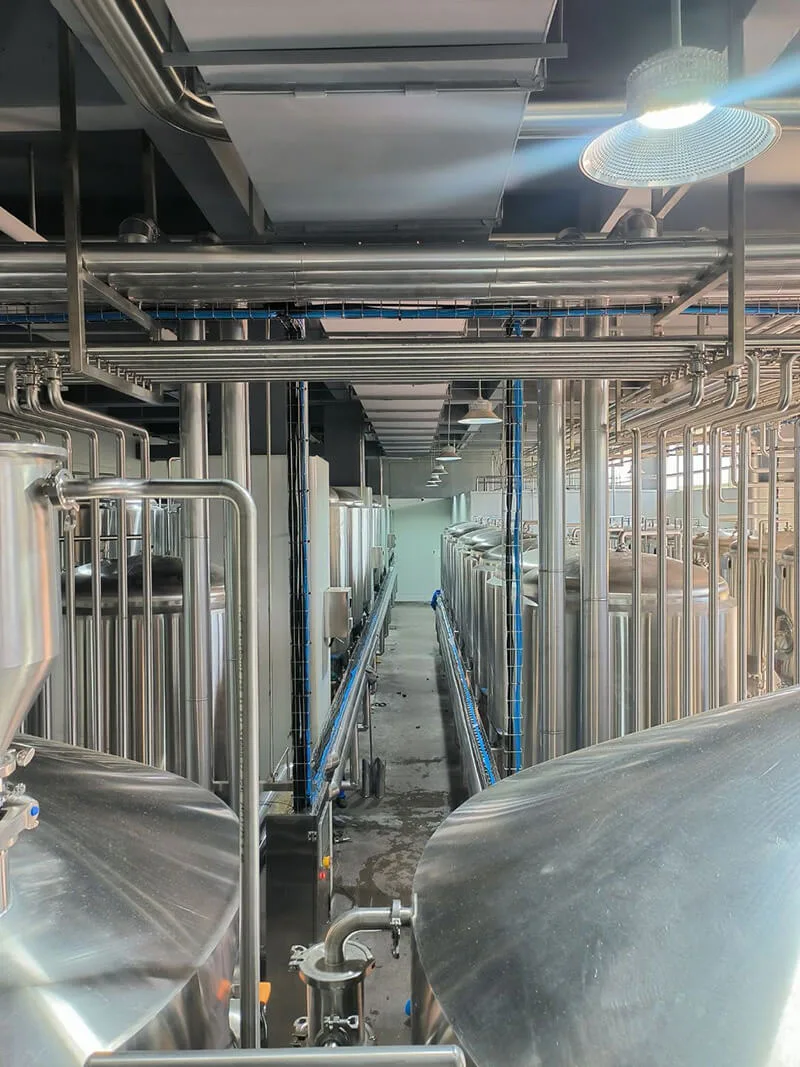
3. Hot Side Design: Where Flavor Begins
The brewhouse sets your beer’s foundation. Key considerations:
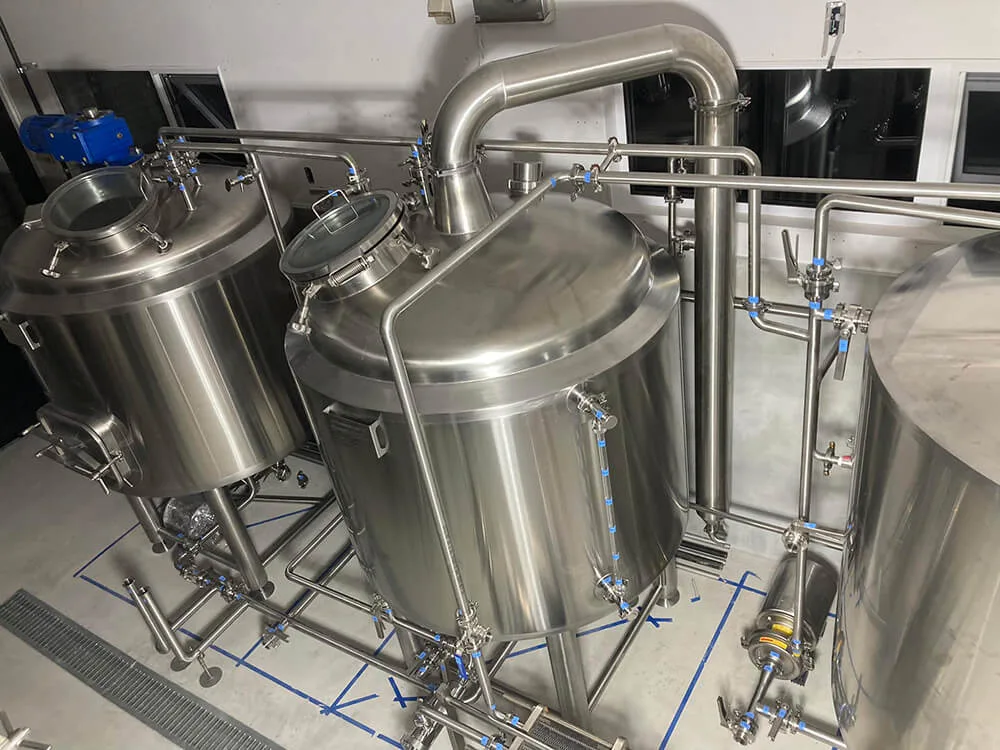
- 2-vessel systems (mash/lauter + kettle/whirlpool) are compact and cost-effective for small operations.
- 3-vessel setups add a dedicated lauter tun—ideal for clarity and speed as volume grows.
- Plate heat exchangers chill wort rapidly, preserving delicate aromas and ensuring healthy yeast pitches.
Look for ergonomic design: labeled valves, color-coded lines, and easy-access manways. On brew day, seconds count.
4. Cold Side Excellence: Fermentation & Beyond
Fermentation isn’t passive—it’s active process control.
- Jacketed, pressure-rated fermenters let you manage temperature, spunding, and dry-hop timing precisely.
- Cone geometry affects trub capture and yeast health—don’t overlook it.
- Pair each FV with a bright tank for cold crashing, carbonation, and seamless transfers.
Safety matters: PRVs (pressure relief valves), rupture disks, and purge-first protocols protect both product and people.
5. Automation: Smart, Not Overkill
You don’t need a NASA control room—but you do need repeatability.
Start with:
- Automated temperature ramps (mash, boil, fermentation)
- Pump interlocks to prevent dry runs
- Basic HMI dashboards with alarm logs
Then layer in lightweight brewery software for:
- Batch records
- Inventory tracking
- Cleaning schedules
Automate the predictable. Keep the creativity human.
6. Sanitation: The Invisible Ingredient
No amount of hops can fix a biofilm.
A robust CIP system includes:
- Mobile spray-ball carts
- Dedicated acid/caustic tanks
- Documented rinse cycles with timed holds
Train your team. Log every clean. Because consistency isn’t just in the recipe—it’s in the rinse water.
7. Packaging: Protect What You’ve Brewed
Your beer deserves to arrive as intended.
- Counter-pressure fillers minimize oxygen pickup (<50 ppb DO target).
- Seam integrity checks prevent leaks and oxidation.
- Even small tweaks—like fill height or purge duration—can extend shelf life by months.
Remember: The customer’s first sip is your final quality checkpoint.
8. Sustainability = Profitability
Efficiency isn’t optional—it’s economic.
Smart choices that pay back fast:
- Heat recovery on wort cooling (saves 15–30% energy)
- Variable-frequency drives on pumps
- Insulated glycol lines
- Low-flow cleaning nozzles
Track your water-to-beer ratio. Monitor kWh per batch. Small optimizations compound into real margin.
9. Beyond Beer: One Platform, Many Beverages
Today’s craft producer rarely makes just beer.
Our systems support:
- Kombucha (with dedicated SCOBY tanks and gentle agitation)
- Hard seltzer & RTDs (mixing, carbonation, flavor dosing)
- Cider (pectin management, cold stabilization)
- Wine & spirits (inert gas blanketing, explosion-proof zones)
Same stainless backbone. Different recipes. One partner.
10. Service: The Quiet Engine of Uptime
Great gear fails without great support.
We provide:
- On-site commissioning & operator training
- QR-coded manuals & remote troubleshooting
- Local spare parts inventory
- 24/7 response for critical failures
Because weekends are for pouring—not panic calls.
Real Impact: A Taproom Case Study
A 7 bbl urban brewery struggled with slow tank turns and inconsistent carbonation.
After implementing:
- Flow-controlled transfers
- Standardized cold-crash temps
- Bright tank carb calibration
Results in 8 weeks:
- Tank turns ↑ 28%
- Foam loss ↓ from 7.5% to 4%
- Dissolved oxygen in cans ↓ 63%
- Overtime hours cut by 60%
All without adding staff.
Choosing Your Partner: What to Ask
- Do you offer end-to-end design, or just equipment?
- Can you provide electrical schematics, P&IDs, and safety docs?
- Is your supply chain resilient (multi-sourced valves, buffer stock)?
- Do you train my team, or just hand over keys?
The right partner simplifies complexity—so you can focus on flavor, hospitality, and growth.
Final Thought: Build the Room You Can Run on a Saturday Night
Not the one that looks perfect in renderings.
Not the one that maxes out your budget.
Build the brewery that works when it’s busy, recovers when it breaks, and scales when you’re ready.
That’s not just equipment.
That’s a solution.
Ready to design your system?
Tell us your batch size, space, and goals—and we’ll deliver a tailored turnkey proposal within 24 hours.
→ Request Your Custom Brewery Plan
Tags: Brewery Equipment, Turnkey Brewing System, Craft Beer Automation, Fermenters, Bright Tanks, CIP System, Brewery Design, Microbrewery Setup, Sustainable Brewing