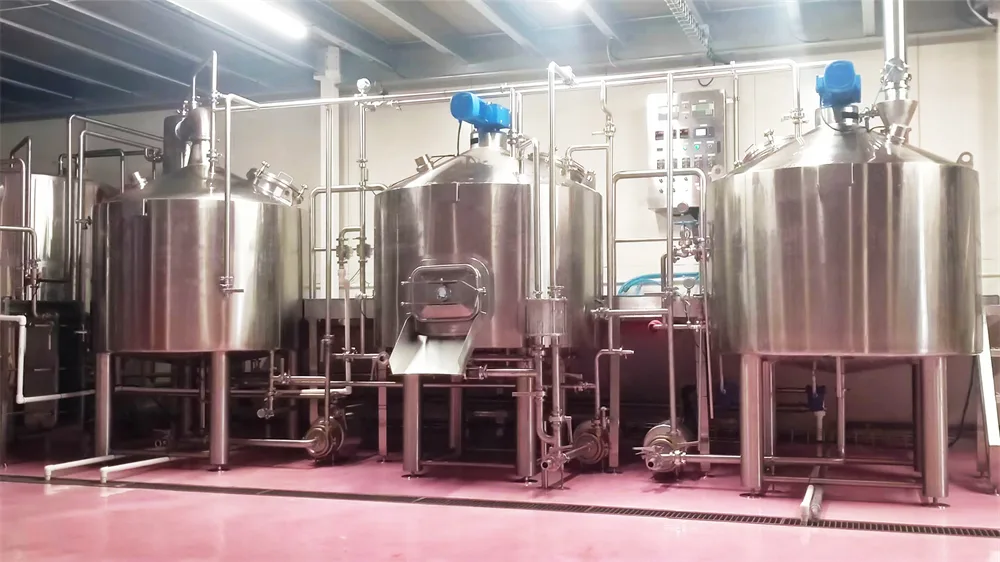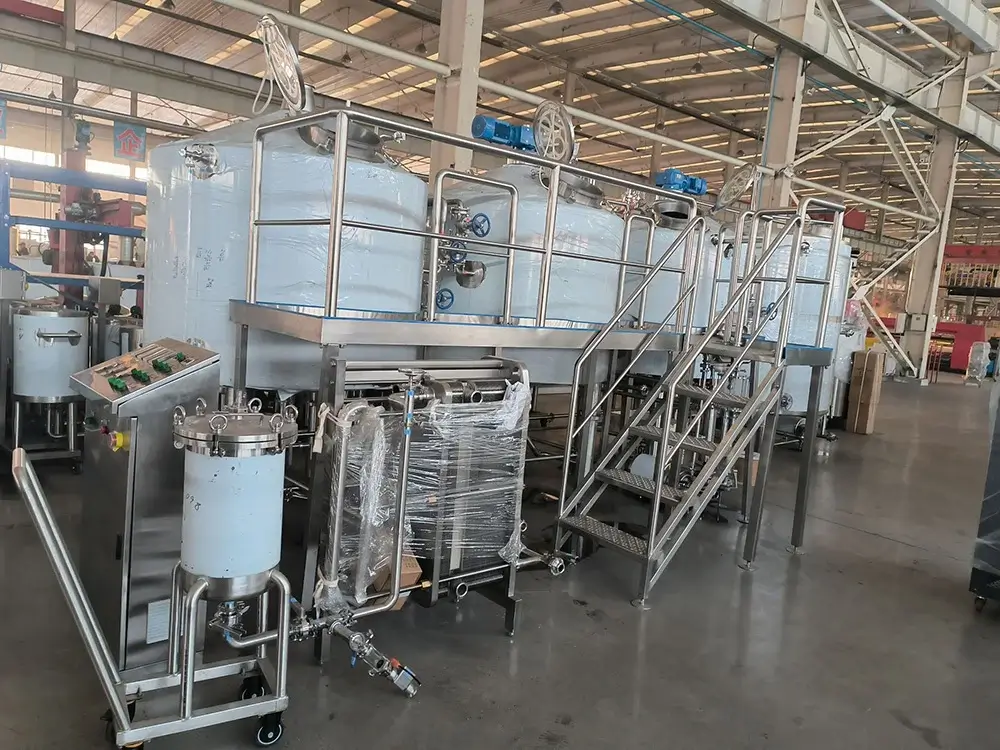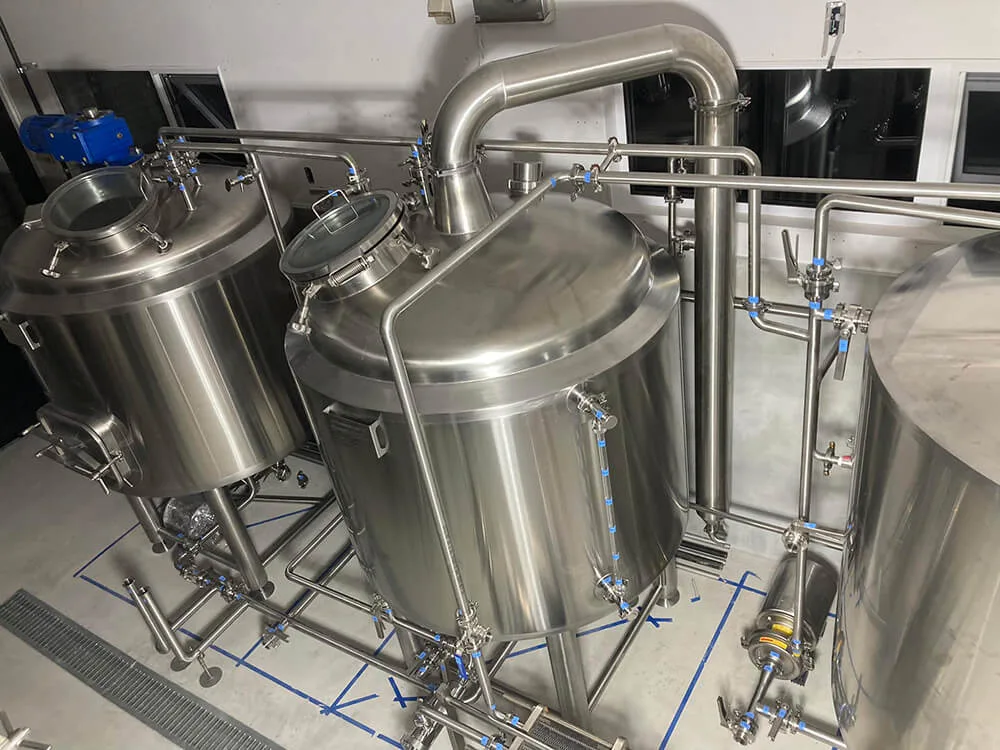
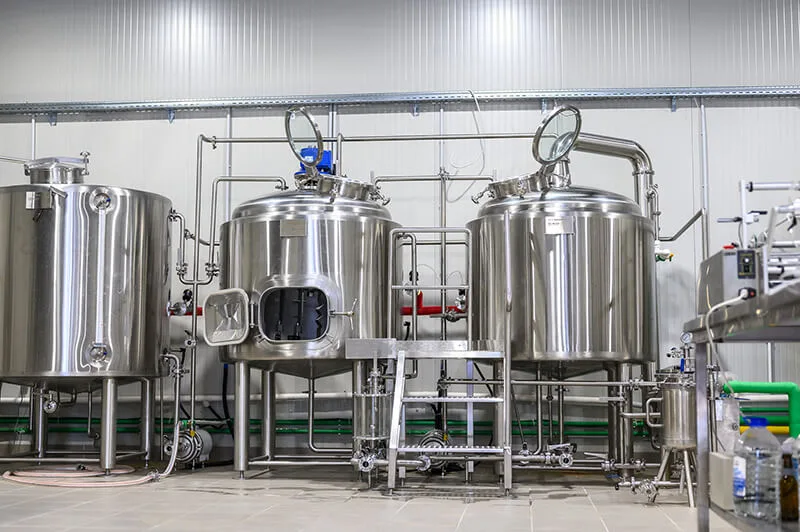
Choosing the right stainless-steel brewing and fermentation tanks is one of the most important decisions when building or expanding a brewery. High-quality equipment ensures efficient production, stable beer quality, and long-term reliability. The following guide summarizes the key factors to consider before purchasing.
Material Selection
Lo primero que hay que confirmar es el grado del material. La mayoría de las cervecerías profesionales utilizan acero inoxidable 304 de calidad alimentaria, que ofrece una excelente resistencia a la corrosión y durabilidad para entornos cerveceros estándar. Algunas cervecerías que producen cervezas ácidas o que operan en entornos muy ácidos o costeros prefieren el acero inoxidable 316, que ofrece una resistencia aún mayor a la corrosión, pero tiene un coste más elevado.
Además del grado del acero, el nivel de pulido interno y el tratamiento de la soldadura son fundamentales. Una superficie interna lisa hace que la limpieza sea más eficaz y evita que las bacterias se escondan en cavidades microscópicas o soldaduras rugosas. Los depósitos de alta calidad presentan costuras totalmente soldadas y pulidas, lo que garantiza su fiabilidad sanitaria.
Capacity and System Matching
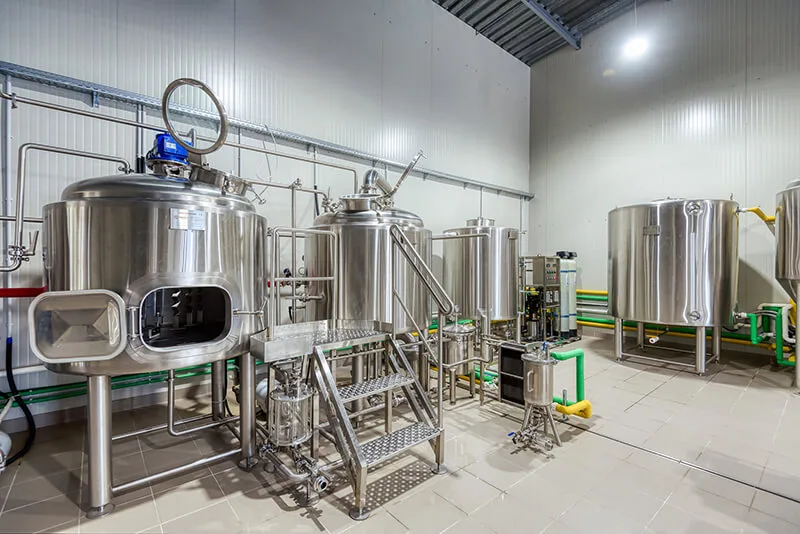
Tank size should match your brewhouse capacity and production goals. Smaller brewpubs often operate with 100–500L batches, while craft breweries may choose 500–2,000L systems. Tanques de fermentación are usually double the volume of the brewhouse batch size, enabling multiple brews to fill a single fermenter.
Before finalizing equipment specifications, also consider available floor space, ceiling height, installation access, and utility requirements such as electricity, water, steam, and glycol cooling.
Structural Design and Key Features
Modern stainless-steel brewing and fermentation tanks come with various features that support beer quality and workflow efficiency. Essential components include durable cooling jackets for precise temperature control, effective insulation, a conical bottom design for yeast collection, and built-in CIP spray balls to streamline cleaning and sanitation.
Additional elements that improve usability include sampling valves, thermowells with accurate digital temperature sensors, pressure relief valves, carbonation stones, and hygienic manways for internal access or dry-hopping. Pressure-rated fermenters are recommended for carbonation and advanced fermentation methods.
Heating and Cooling Methods
Brewhouse kettles typically use either electric heating, steam heating, or direct-fire systems. Steam provides fast and even heat distribution, making it ideal for medium-to-large breweries, while electric heating is economical and convenient for smaller operations.
Cooling systems rely on glycol jackets controlled by a glycol chiller. Multi-zone jackets on fermentation tanks enable precise temperature control throughout the fermentation process, which directly affects beer flavor profile and clarity.
Automation and Control
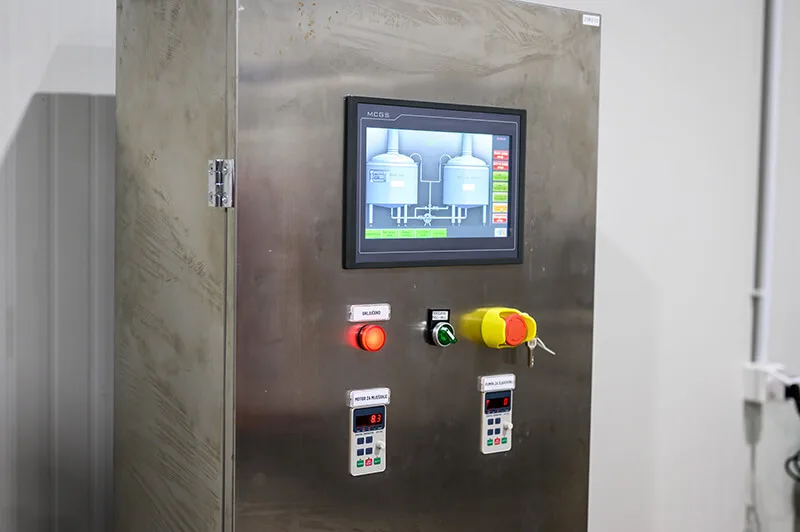
The appropriate level of automation depends on staffing, production scale, and budget. Manual systems offer flexibility and lower initial cost, while semi-automatic and fully automated systems improve consistency and reduce labor demands. Larger breweries often prefer PLC touchscreen control panels that integrate temperature monitoring, pump automation, and data logging.
Cleaning and Maintenance
Effective cleaning is essential for preventing infection and maintaining beer quality. When evaluating tanks, consider how easy they are to clean. Smooth welds, sanitary fittings, CIP spray balls, and reliable valves all contribute to an efficient cleaning routine. Access to spare parts and availability of after-sales support are equally important for long-term operation.
Supplier Reliability
Beyond technical specifications, choose a manufacturer with proven industry experience and strong customer support. Look for companies that offer design consultation, installation guidance, pressure testing, and warranty coverage. Case studies and real brewery references can provide valuable assurance.
Reflexiones finales
Investing in stainless-steel brewing and fermentation tanks is a long-term decision that affects every aspect of production. By carefully evaluating materials, design features, automation level, capacity planning, and supplier credibility, breweries can achieve higher efficiency, consistent beer quality, and trouble-free operation for many years.
Si tiene alguna pregunta sobre la elaboración de cerveza, no dude en Contacto Equipo Meto.