When timelines slip and off-flavors creep into your beer, profit margins take the hit. The solution isn’t just better ingredients—it’s a smarter system that guides your team through every step with repeatable precision. The right commercial brewing setup helps you brew more, waste less, and actually get some sleep.
What Actually Makes Up a Brewing System?
Let’s start with the basics. A professional brewing system breaks down into two main halves: the hot side and the cold side.
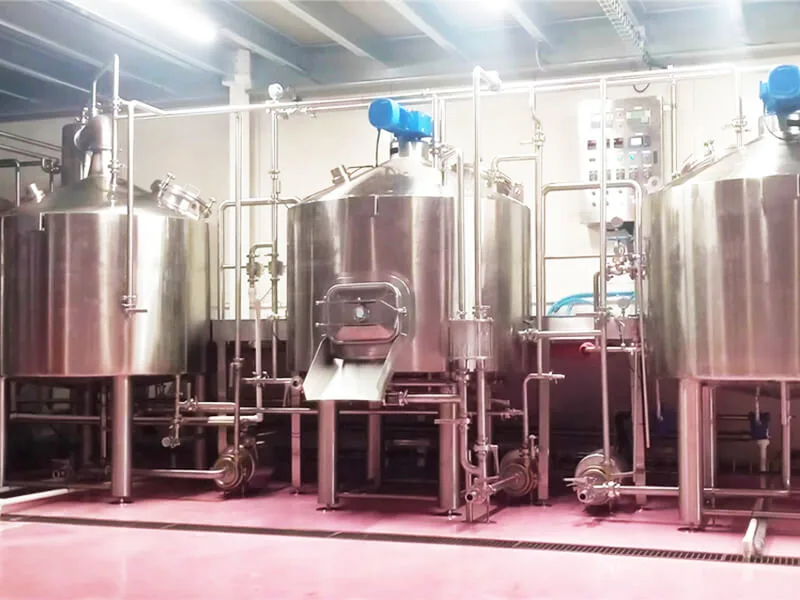
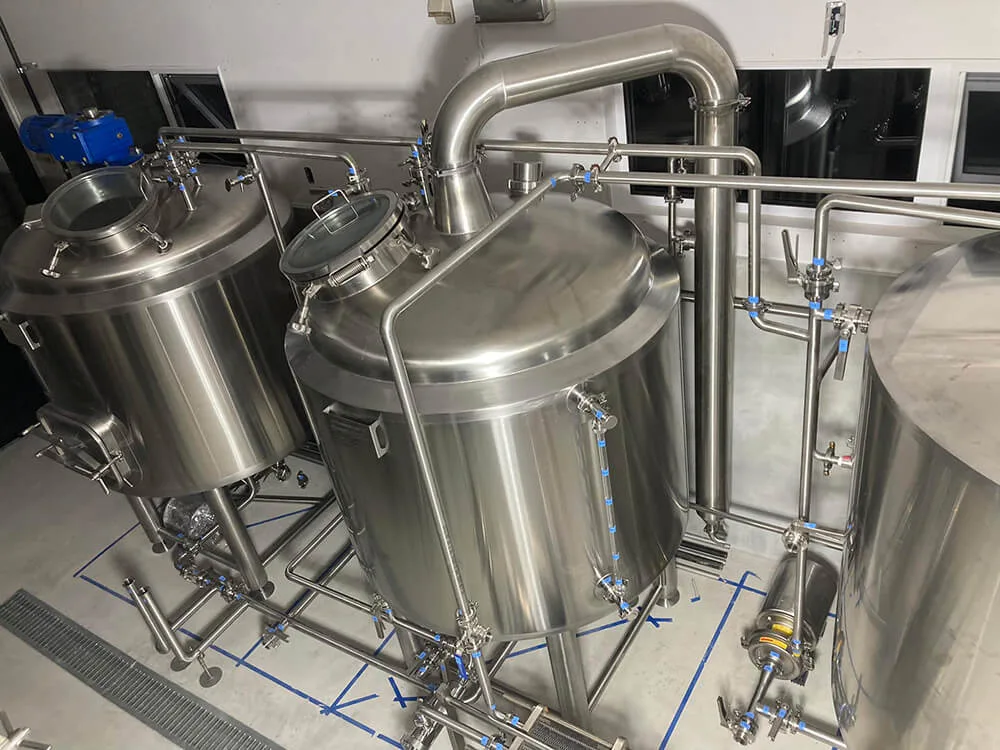
The hot side (your brewhouse) typically includes:
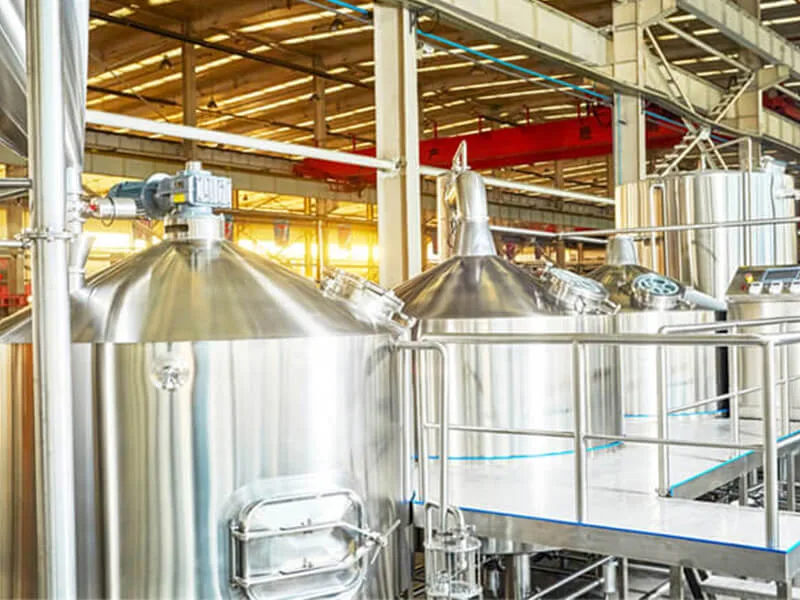
- A mash tun or combination mash/lauter vessel
- A whirlpool/kettle combination
- Sanitary piping throughout
- One correctly sized pump
- Readable, straightforward controls
The cold side adds:
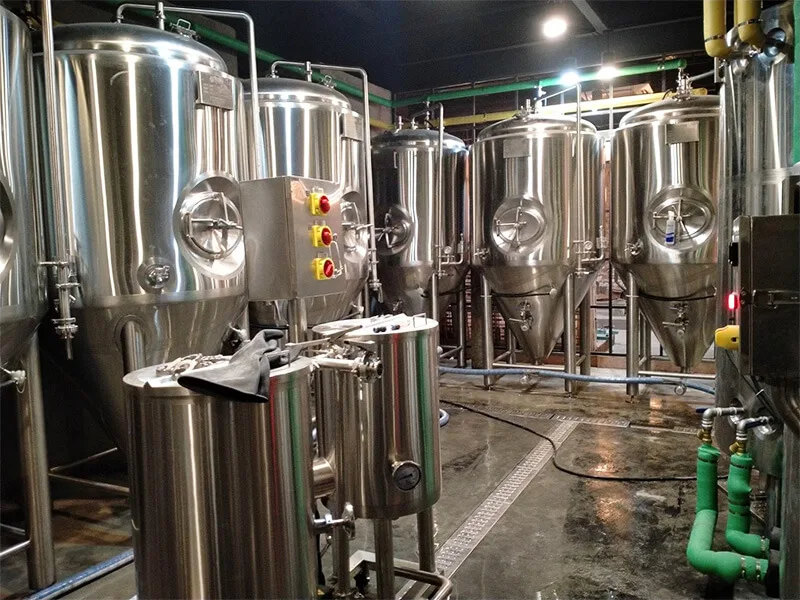
- Jacketed fermentation tanks (conical fermenters or unitanks)
- A brite tank for conditioning
- Glycol cooling service
- A heat exchanger matched to your batch size
The real art is in how these pieces flow together. When your system is designed with logical routing—valves where you can reach them, gauges at eye level, clear walkways—new staff pick it up fast and veterans work smoothly. It’s practical engineering, not academic theory.
The Brew Day Flow
Here’s what each step in the process actually delivers:
| Step | Core Equipment | What It Gives You |
|---|---|---|
| Fresado | Two-roller mill with adjustable gap | Predictable extract yield, fewer stuck mashes |
| Lado caliente | Mash/lauter + whirlpool/kettle | Clear wort, stable evaporation rates |
| Chill | Properly sized heat exchanger with O₂-safe path | Fast pitch temperatures, aroma protection |
| Cellar | Jacketed fermenter or unitank | Temperature control, shorter turnaround cycles |
| Finish | CO₂-safe packaging lines | Extended shelf life, consistent fills |
One thing we’ve learned from years in the field: good ergonomics and fewer menu screens do more for training and error reduction than any complex automation ever could.
Sizing Your System: The 3.5 bbl vs 5 bbl Decision
For nano breweries, this is one of the most critical choices you’ll make. The decision between 3.5 and 5 barrels affects your labor hours, cooler load, and production turnaround.
| Planning Consideration | 3.5 bbl System | 5 bbl System |
|---|---|---|
| Approximate pints per batch | 1,085 | 1,550 |
| Typical weekly batches (one operator) | 3 | 2 |
| Recommended cold-side pairing | 3–4 cellar tanks | 3 tanks + larger brite |
| Space requirements | Lower footprint | Higher footprint |
| Best suited for | Pilot batches, tight spaces | Taproom with light distribution |
Practical sizing advice:
- Balance hot and cold capacity. If your cellar tanks are constantly queued, add tank capacity before upgrading your burner power.
- Think about seasonality. Lager-heavy schedules need extra conditioning time; IPA-focused production benefits from parallel fermenters.
- Leave utility stubs. Extra ports today make next year’s expansions painless.
Heat Sources: Electric vs. Steam
Your heating choice shapes your entire brew day rhythm. Here’s the real breakdown:
Steam jacketed kettles deliver even heating and rapid ramp times. They’re the professional standard for good reason—consistent heat transfer means predictable hot breaks and repeatable results. The trade-off is you need a boiler, venting, and ongoing maintenance.
Electric elements simplify installation significantly and work well in tight urban spaces where steam might not be practical. Keep in mind panel loads and element cleaning schedules.
Whichever route you choose, insulate long piping runs—it saves energy and stabilizes your process temperatures.
Key hot-side discipline: Keep your sparge calm and recirculation gentle. Clear hot breaks and tidy whirlpool cones make your clarity problems disappear downstream. Good habits on the hot side set your cellar up for victory.
Fermenter or Unitank? Making the Cold-Side Call
Your cold-side tank choices directly impact beer quality, speed, and consistency.
Conical fermenters let you crop yeast, dump sediment, and manage pressure for clean flavor profiles. They’re the workhorse of professional brewing.
Unitanks (combined fermentation and serving tanks) let you carbonate and serve from the same vessel, trimming transfer steps and reducing oxygen exposure.
For both options, prioritize:
- Jacketed temperature control with accurate probes
- Sample valves at reachable height
- Racking arms that actually work
- PRVs you can check without a ladder
The goal is a cellar that helps your team brew better beer, not one that sends people climbing and guessing.
Cleaning Systems: Where Time Gets Saved or Wasted
In professional brewing, your schedule lives or dies on cleaning efficiency. Full-coverage CIP spray balls, proper drain angles, and correct return heights turn hours of scrubbing into minutes of monitoring.
The smart approach:
- Use one dedicated cellar pump with the right impeller—it handles delicate hop matter during transfers and moves caustic confidently during cleaning cycles
- Standardize gaskets and fittings across all your skids
- Label shelves for small parts, PRV springs, and spare components
Maintenance checklist to keep handy:
- Verify spray ball coverage quarterly (riboflavin test works well)
- Replace gasket kits on a calendar schedule, not after leaks appear
- Log sensor calibration dates
- Shadow-board your tools—stop hunting during caustic cycles
This is professional brewing in practice: fewer steps, more uptime, less stress on your team.
The Quiet Hero: Your Grain Mill
The grain mill rarely gets discussed, but it quietly determines your entire lauter performance. A steady two-roller design with precise gap adjustment preserves husk integrity and supports efficient runoff.
Practical tip: Teach your staff the look and feel of a correct crush. That fifteen-second visual check saves a fifteen-minute lauter rescue when something goes wrong.
Mash calmly. Hold rests that match your recipe and water profile. Recirculate gently to build clarity without compacting the grain bed. When your whirlpool stands consistently, the hot break tightens, and wort heads to the chiller already in great shape.
Chilling, Conditioning, and Packaging: The Final Stretch
Your heat exchanger needs to drop temperature fast—preserving foam-positive proteins and protecting delicate hop oils. Match it properly to your batch size.
Cold-side checkpoints:
| Check | Why It Matters | Frecuencia |
|---|---|---|
| Pitch temperature match | Protects flavor development | Cada lote |
| Dissolved oxygen after chilling | Directly impacts shelf life | Weekly spot check |
| PRV and gauge testing | Safety verification | Mensualmente |
When the path from chiller to packaging is short, sealed, and thoroughly purged, quality stops depending on luck.
Packaging strategy: Start with kegs, then add a compact canning line once your draft sales stabilize. Closed-transfer paths, CO₂ purges, and clean seams protect flavor at modest cost. This is how small teams brew more and apologize less.
Accessories and Spares: The Shelf That Saves Your Weekend
The right spare parts kit prevents downtime when your taproom is full and the city is watching the game. Stock:
- Clamps, gaskets, and thermowells
- PRV repair parts
- Tri-clamp tees and hose ends
Organization principle: Standardize fitting sizes across all your lines so a single bin solves many problems. Keep a modest “swap box” of supplies for busy seasons. Clear labels and shared locations are simple moves that protect your service reputation.
The All-in-One Skid: Simplicity in Practice
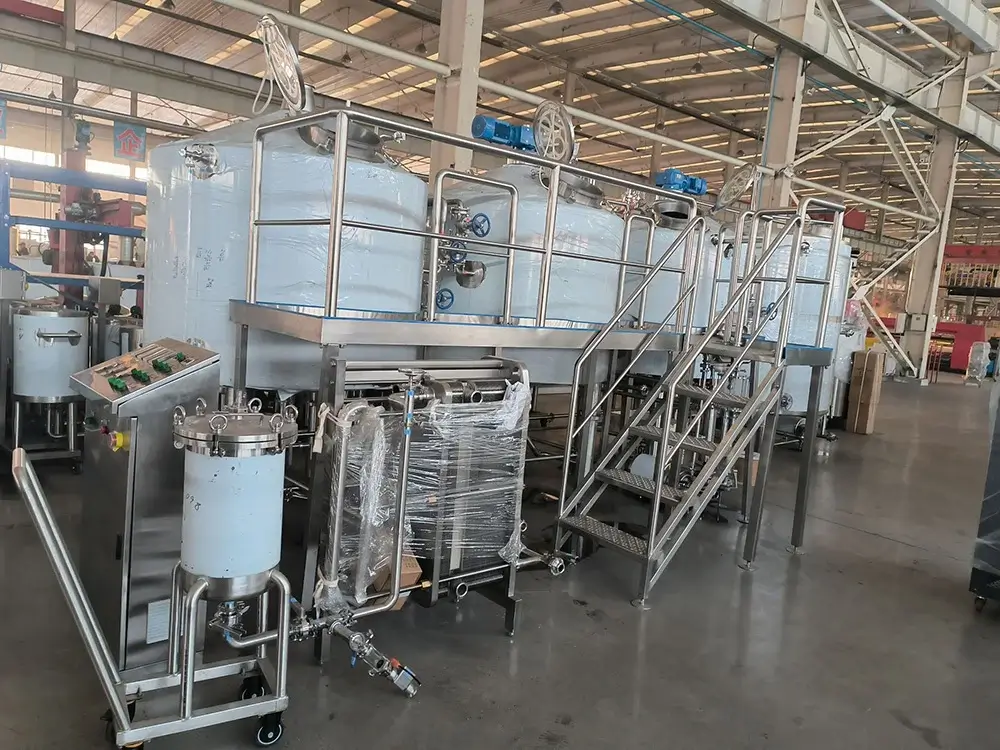
An integrated skid puts piping, pumps, controls, and safety systems in one engineered frame. Benefits include:
- Reduced installation time
- Fewer mismatched parts
- One HMI screen with calm, clear alarms
- Faster training for new operators
Keep simple SOPs posted next to the equipment—not buried in a drawer. Your team gains a fast path to first pour and fewer surprises.
Build Quality: Engineer Once, Buy Once
Real production demands real construction. We specify stainless steel where it counts and finishes that wipe down easily. Handles, gauges, and sight glasses land where people actually stand.
What operators notice:
| Detail | Why It Matters |
|---|---|
| True sanitary polish | Faster rinses, fewer harborage points |
| Numbered ports | Training time drops significantly |
| Reachable handles | Safety and speed improve |
| Spares on shelf | Weekend emergencies get solved |
One more practical note: add a labeled “future” port for hop dosing or carb stones. It costs little now and saves a retrofit later.
A Real-World Example
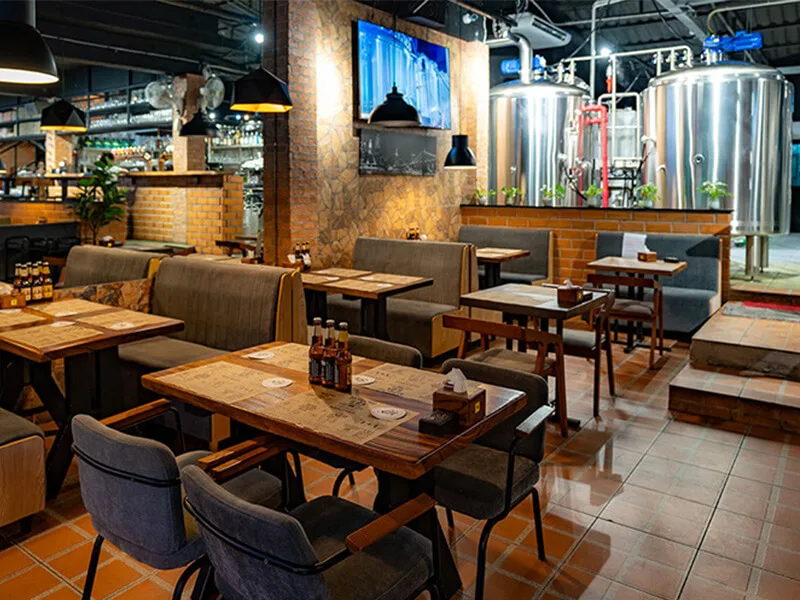
A taproom group needed more lager throughput without adding staff. We provided a compact, turnkey skid—steam-jacket hot side, parallel cellar tanks, and posted SOPs. Results: staff could brew Monday, hit target gravity Thursday, and package Friday. Output rose, foaming complaints fell, and training time shrank noticeably.
That single change improved efficiency and morale. This is commercial brewing done simply: plan your flow, protect oxygen paths, and keep the layout human. A little custom thinking—right ports, right reach, right height—pays off every brew day.
What to Buy First—and What to Add Later
Start with the core:
- Two- or three-vessel brewhouse
- Jacketed cellar tanks
- Dependable controls
Add when cash allows:
- Second racking arm
- Carb stone
- Small canning line
- Upgraded cold storage
For the long term: Buy durable frames, smooth welds, and ports you can reach. You’ll feel the quality difference every cleanup.
And remember—this is brewing equipment, but it’s also people equipment. Calm layouts help every brewer move safely and quickly. That’s value you feel with every batch you brew.
Quick Reference: What to Remember
- Build a clear path from mill to packaging—reduce backtracking and guesswork
- Size hot and cold together; add cellar capacity before chasing BTUs
- Use jacketed cellar gear and readable gauges to protect people and product
- Standardize fittings and stock a shelf of small parts, sensors, and clamps
- Keep cleaning calm with complete CIP coverage and one dependable pump
- Favor stainless touchpoints and durable frames—buy once, clean fast
- Post SOPs; simple routines raise output and protect consistency
Whether you’re launching a startup or expanding an established group, professional-grade equipment with solid documentation and reliable spares support keeps your team moving. From pilot brewhouses to parallel cellars, the right system makes the difference between firefighting and brewing great beer.