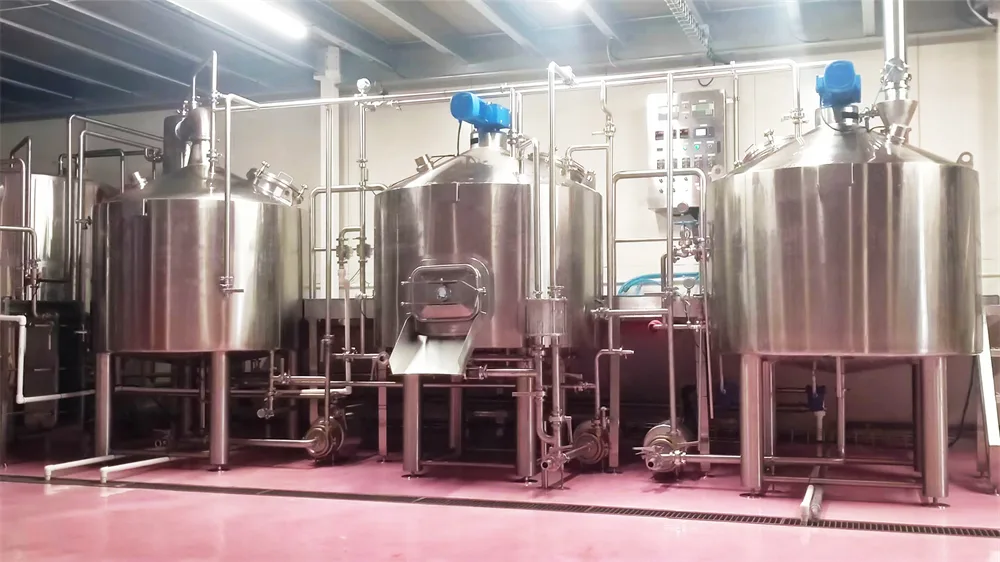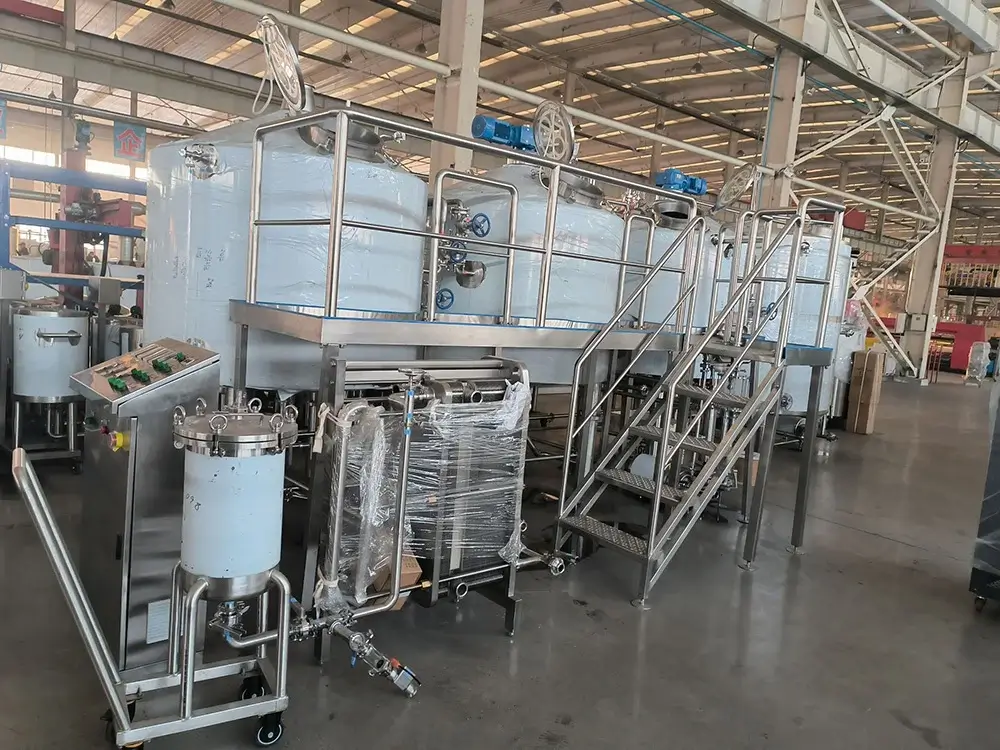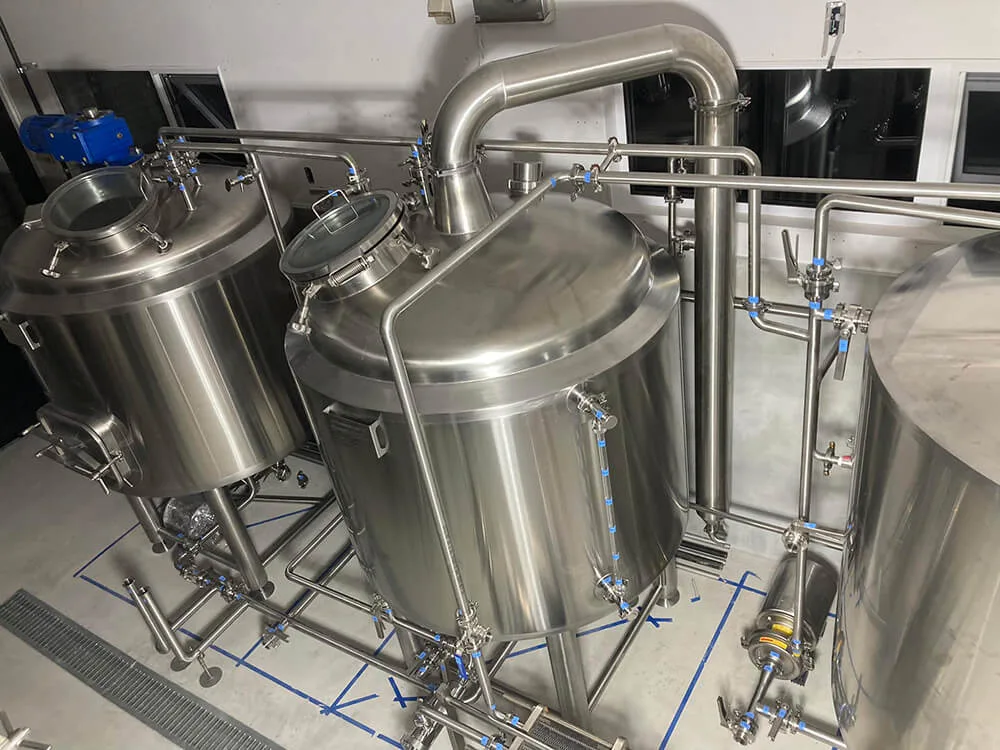
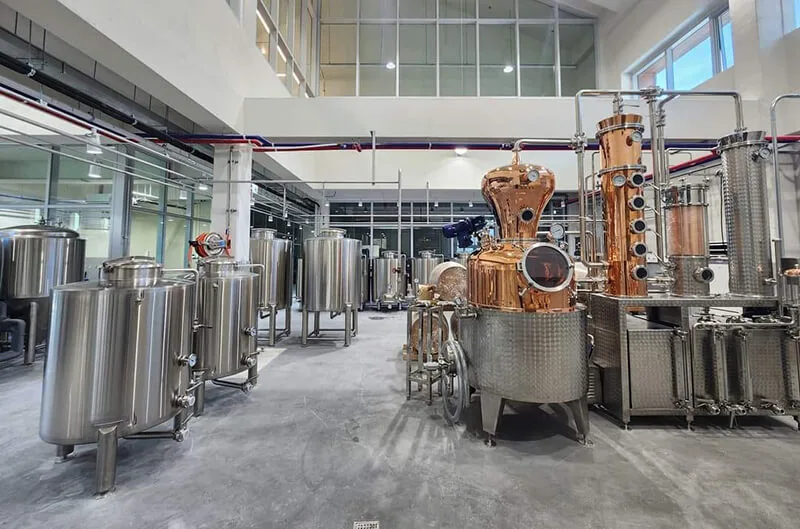
When it comes to selecting distillery equipment, one of the biggest decisions a craft or professional distiller faces is the material of the still. The two most common options are copper and stainless steel — each with pros and cons. Which one you choose can have a profound impact on the quality, flavor, maintenance, and cost of your spirits.
Why Copper Stills Are Favourable
- Removal of sulfur compounds — During fermentation, yeast creates sulfur-based compounds (e.g. mercaptans, sulfides) that can impart off-flavours (such as rotten vegetables, cabbage, or burnt notes). Copper reacts with those sulfur compounds during distillation, capturing them and preventing them from ending up in the final spirit. This chemical interaction leads to a cleaner, smoother, more pleasant aroma and taste.
- Better heat conductivity and even distillation — Copper is an excellent conductor of heat. That means the wash is heated more evenly, which can result in more controlled distillation, reliable reflux and vaporization, and hence better flavor extraction and consistency.
- Enhanced aroma and flavor profile — Because copper helps eliminate unwanted sulfur compounds and allows better separation of congeners (aroma- and flavor-bearing compounds), it often leads to a richer, more refined spirit, with desirable esters or aromatic compounds more pronounced.
Because of these advantages, copper stills remain the traditional and preferred choice for many distillers — especially those producing spirits like whiskey, rum, brandy, and other drinks where flavor complexity matters.

Why Some Distillers Choose Stainless Steel (or Hybrids)
That said, stainless steel stills (or hybrid stills combining stainless steel and copper) also present several practical advantages:
- Durability and low maintenance — Stainless steel is more resistant to corrosion, tarnishing, and wear. It’s generally easier to clean and maintain compared to copper, which tends to oxidize and may need more careful upkeep.
- Lower cost, greater robustness — Stainless steel often costs less (per weight or unit) than copper. It offers a sturdier, more durable vessel, which can reduce long-term maintenance costs, especially for large scale or industrial distilleries.
- Flexibility with hybrid designs — A common and effective compromise is to build the boiler/body from stainless steel (for durability) but include copper in the vapor path — for example, a copper column, copper mesh, or copper condenser. This hybrid design balances cost, durability, and the flavor benefits of copper.
This approach is especially useful when the distillery prioritizes longevity, easier cleaning, scalability, or budget — while still aiming for a relatively high-quality spirit.
What “Distillery Equipment” Should Mean for Your Purpose
When choosing distillery equipment, consider:
- What you are distilling — For neutral spirits like high-proof ethanol, a stainless steel still may suffice; but for rich, aromatic spirits (whiskey, rum, brandy, etc.), copper (or a hybrid with copper) tends to deliver better flavor.
- Your production scale and maintenance capacity — Small craft distilleries may value copper for flavor, but larger operations may prefer stainless steel for durability and easier maintenance.
- Budget and long-term costs — Copper tends to be more expensive and requires more upkeep; stainless steel is cost-effective and robust. Hybrid stills may offer the best trade-off.
- Desired final spirit profile — If you aim for smoothness, complex aroma, reduced sulfur off-notes — copper is very beneficial. If you aim for simplicity, cost-effectiveness, or neutrality — stainless or hybrid might work.
Schlussfolgerung
In the realm of distillery equipment, there’s no one-size-fits-all answer. Copper stills are widely regarded as superior when the goal is high-quality spirits with rich flavor and clean aroma, thanks to their ability to remove unwanted sulfur compounds, conduct heat efficiently, and enhance congeners. Stainless steel stills — or stainless-copper hybrids — offer compelling advantages in durability, ease of maintenance, and cost.
Ultimately, the best choice depends on your distilling goals (flavor vs efficiency), production scale, maintenance capacity, and budget. Many distillers worldwide end up using hybrid systems that combine the strengths of both materials — a practical compromise that delivers quality without excessive maintenance burdens.
Wenn Sie Fragen zum Bierbrauen haben, wenden Sie sich bitte an Kontaktieren Sie uns Meto-Ausrüstung.