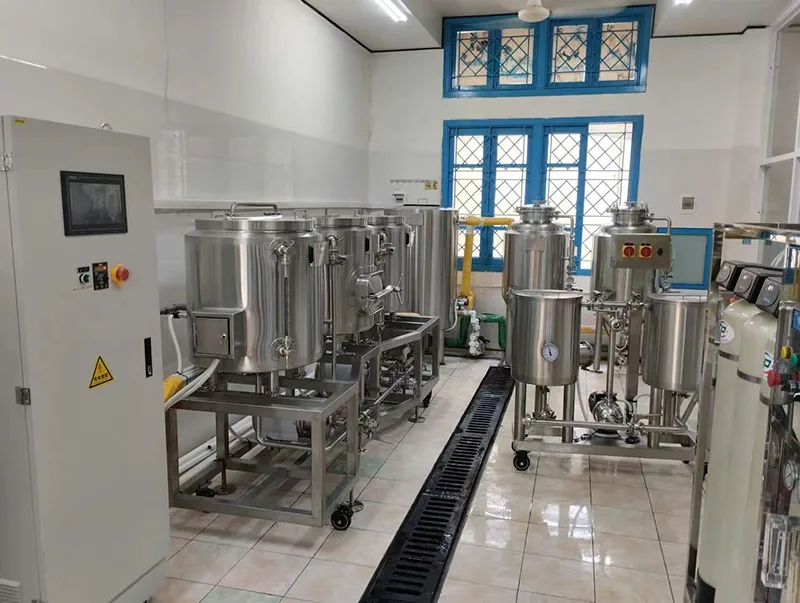
Beer brewing is a multidisciplinary craft that integrates biochemistry, microbiology, and mechanical engineering. For universities and vocational institutions, a complete set of brewing teaching equipment is not only a tool for skill training but also a critical platform for cultivating engineering competence and food safety awareness.
This article provides a comprehensive overview of beer brewing teaching laboratory equipment, covering core systems, installation standards, and maintenance practices to help build an efficient and professional training environment.
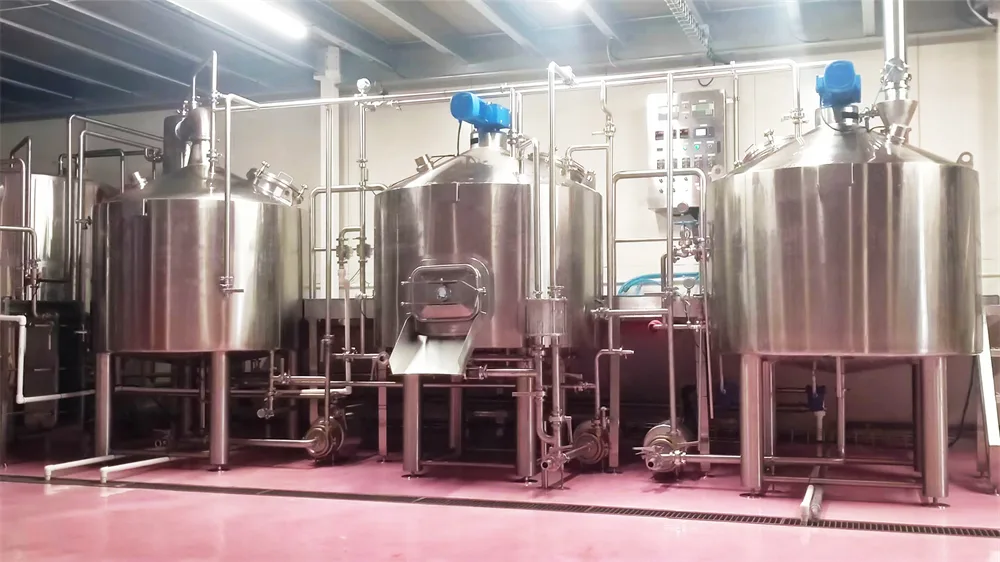
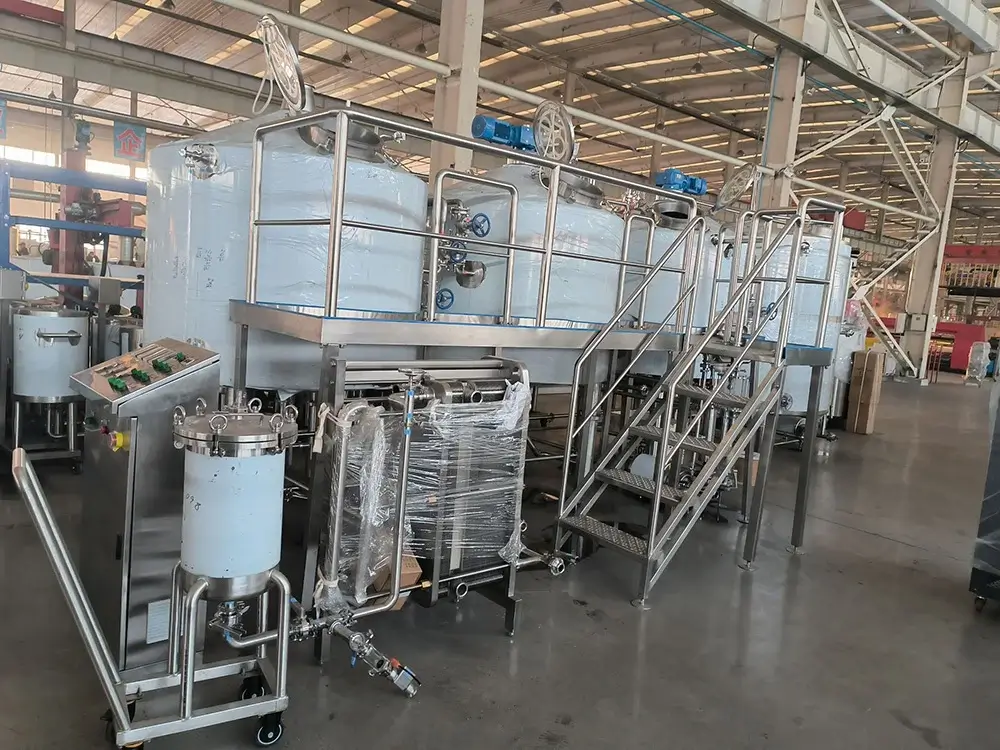
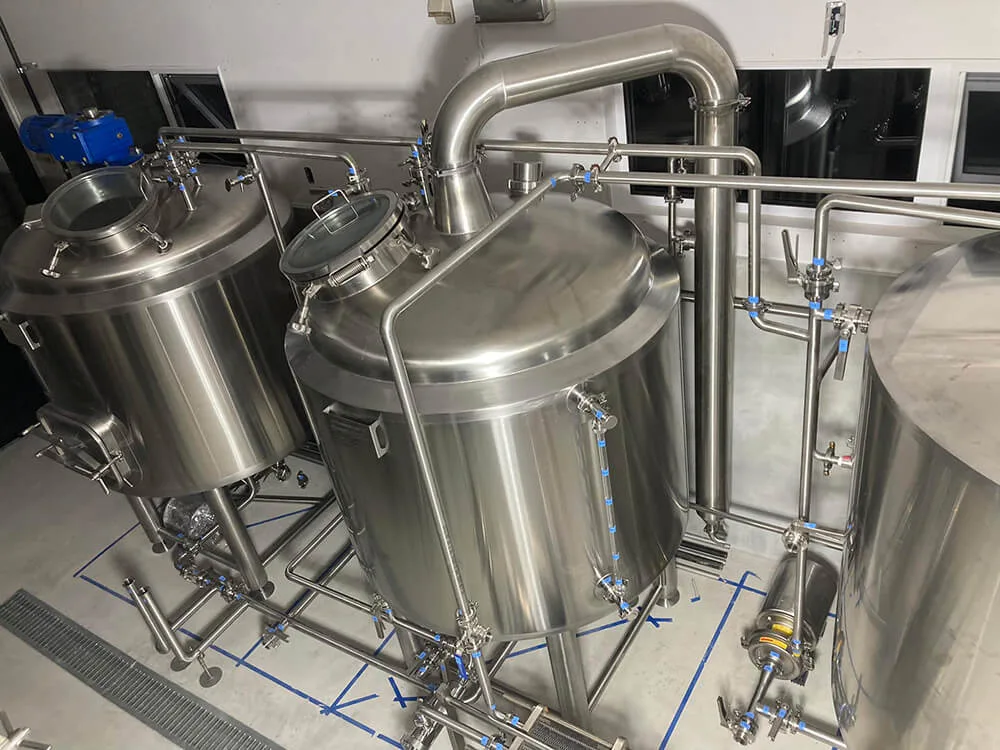
Brewhouse System: The “Backbone” of Brewing Process Simulation
The core of teaching equipment lies in accurately replicating industrial brewing workflows, enabling students to understand the full transformation from raw materials to finished beer.
Milling System
The malt mill is the starting point of brewing education. Students learn to adjust roller gaps to achieve the principle of “crush but not pulverize”—exposing the endosperm for enzymatic conversion while preserving husk integrity for filtration.
Mash / Lauter System
The mash tun (or mash/lauter combination vessel) serves as the primary reaction vessel. It is typically constructed from food-grade 304 stainless steel and equipped with:
- Precise temperature control (electric or steam heating)
- Variable-speed agitation to prevent scorching
- Step mashing capability (protein rest, saccharification rest)
The lauter tun separates wort from spent grain. Teaching focuses on:
- Rake operation principles
- False bottom design and natural filtration bed formation
- Efficient wort extraction techniques
Kettle & Whirlpool System
In this stage, wort is boiled and hops are added for bitterness and aroma.
The whirlpool is particularly important in teaching:
- Tangential inlet creates a centrifugal force
- Trub (proteins and hop residues) collects at the center
- Clear wort is extracted from the outer layer
Fermentation System: Where Beer Comes to Life
Fermentation is the stage where yeast transforms wort into beer, generating alcohol and flavor compounds.
Conical Fermenters
These are the most critical teaching vessels:
- Cone-bottom design enables yeast sedimentation and harvesting
- Cooling jackets or coils provide precise temperature control
- Equipped with sampling valves, pressure gauges, and airlocks for real-time monitoring
Temperature control directly affects ester formation and overall flavor profile.
Temperature Control Unit
Typically includes a glycol chiller or ice water system, ensuring stable fermentation temperatures for both ales and lagers.
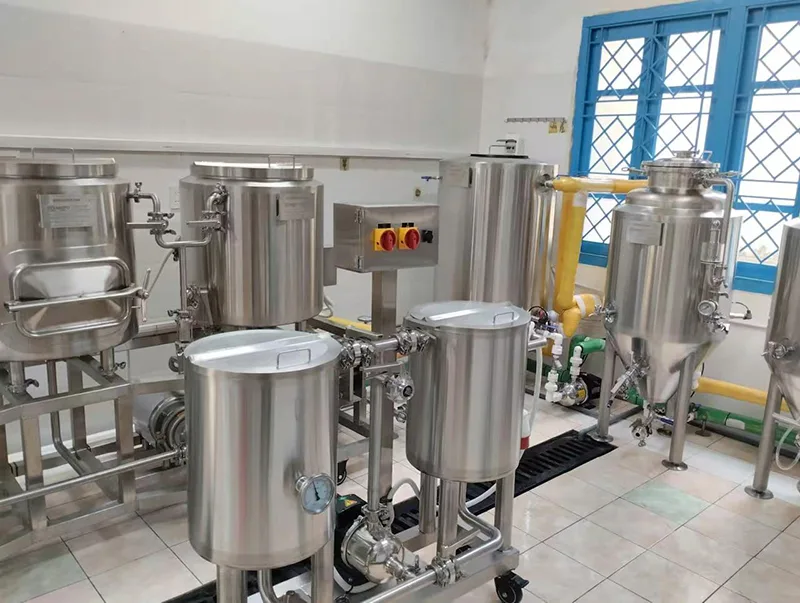
Cleaning & Sanitation System: The Foundation of Food Safety
CIP System (Clean-in-Place)
CIP systems automate cleaning cycles using:
- Caustic solution (alkaline cleaning)
- Acid solution (scale removal)
- Hot water sterilization
This system helps students understand the importance of hygiene and contamination prevention in brewing.
Quality Control & Analytical Instruments: The “Eyes” of the Process
Physicochemical Analysis
- Gravity & Extract Measurement: Refractometers and hydrometers determine wort concentration and fermentation degree
- pH Monitoring: pH meters ensure optimal enzyme activity and yeast metabolism
- Color & Bitterness: Spectrophotometers measure EBC/SRM color and IBU bitterness
Microbiological Testing
- Microscopy: Hemocytometers and microscopes are used for yeast counting and vitality assessment
- Sterile Environment: Laminar flow hoods, incubators, and autoclaves support yeast propagation and contamination control
Installation Guidelines: Safety First
Site Preparation
- Ensure level flooring with adequate load-bearing capacity
- Use leveling tools to prevent equipment misalignment
- Install proper ventilation above brewhouse vessels to remove steam
Utilities Layout
- Electrical systems must be properly grounded
- Secure wiring for heating elements to prevent short circuits
- Design effective drainage systems to avoid water accumulation
System Testing
- Conduct water tests for leakage in brewhouse systems
- Perform pressure tests on fermenters (typically 0.18–0.2 MPa for 2 hours)
- Verify motor rotation direction before operation
Maintenance Practices: Cleanliness is Critical
Daily Cleaning
- Drain and rinse immediately after each use
- Use caustic solutions to remove organic residues
- Use acid solutions (nitric or citric acid) to remove scale
- Pay special attention to valves and dead zones
Routine Maintenance
- Weekly inspection of seals and lubrication of moving parts
- Monthly descaling and motor performance checks
- Never run pumps dry
Spare Parts Management
- Replace worn gaskets and seals promptly
- Regularly inspect heating elements for scaling
- Avoid dry heating to prevent damage
Special Safety Considerations in Teaching Environments
Burn & Pressure Safety
- Clearly mark high-temperature zones during boiling
- Fermenters are pressure vessels—never open under pressure
Electrical Safety
- Do not operate control panels with wet hands
- In case of power failure, ensure all switches are turned off before restart
Long-Term Shutdown
- Clean and dry all equipment thoroughly
- Drain all water to prevent freezing damage
- Apply food-grade lubricant to prevent corrosion
Заключение
Proper installation and maintenance of brewing teaching equipment ensure not only smooth laboratory operation but also instill professional discipline and engineering awareness in students.
A well-designed teaching brewery is more than equipment—it is a bridge between theory and industrial practice.
👉 Contact us today for a custom brewhouse system design tailored to your production goals, budget, and future expansion plans.