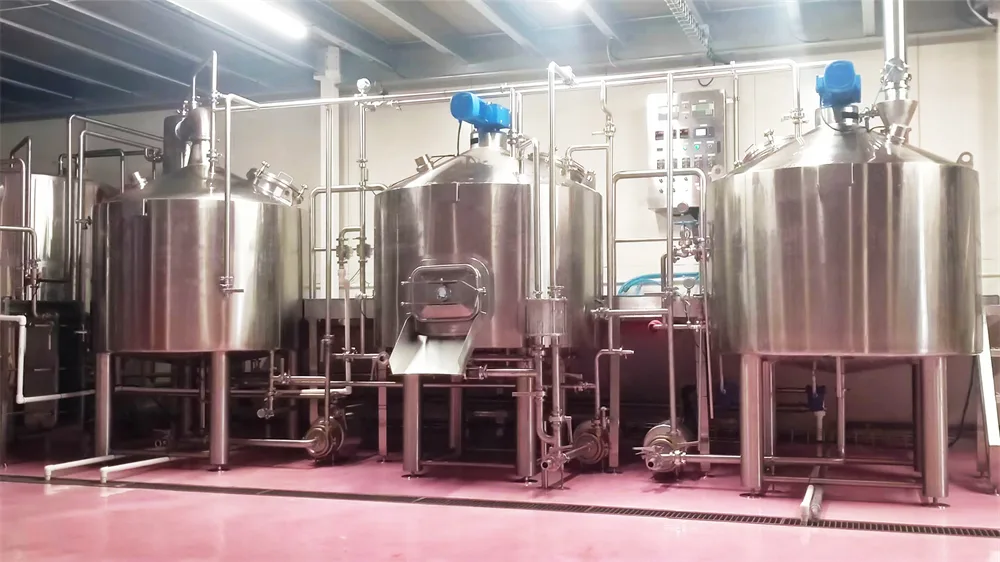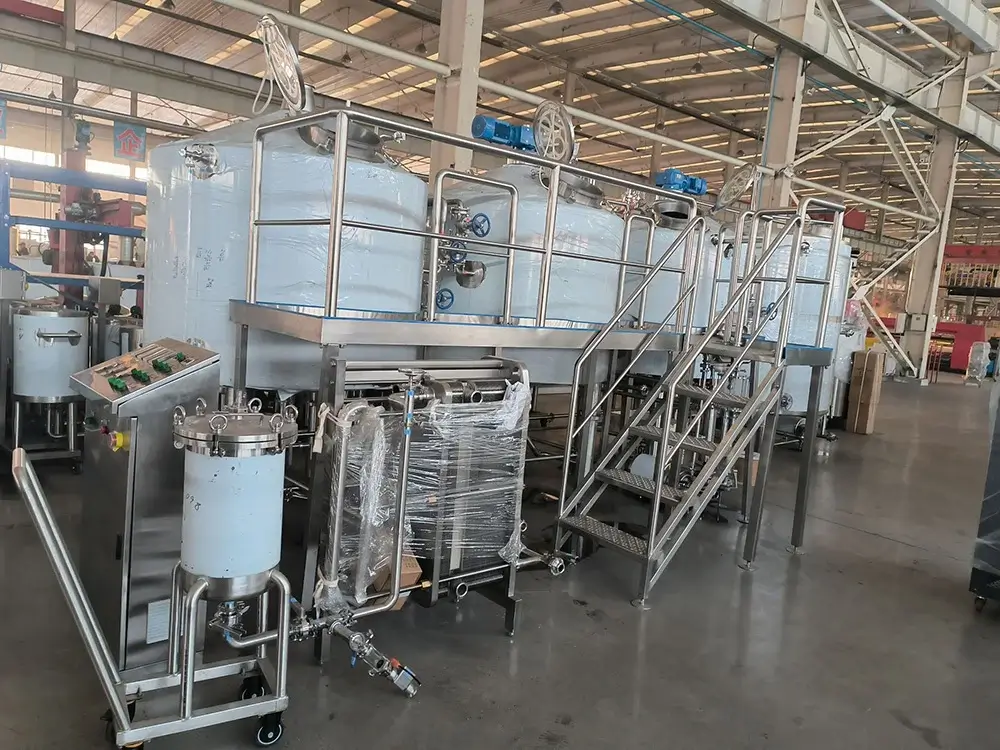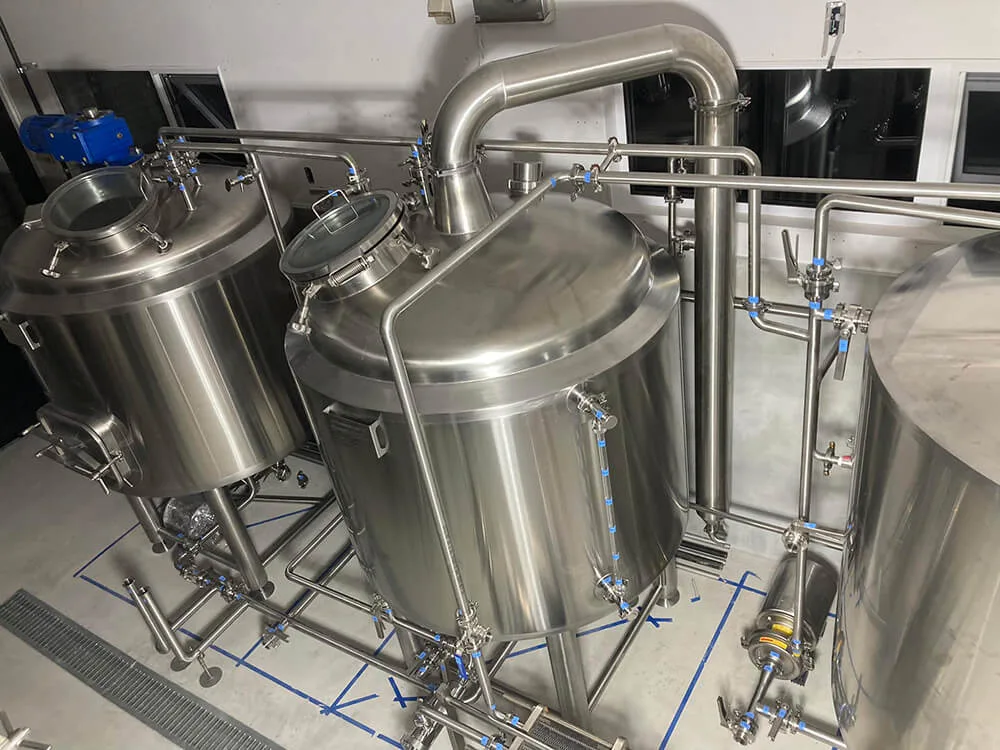
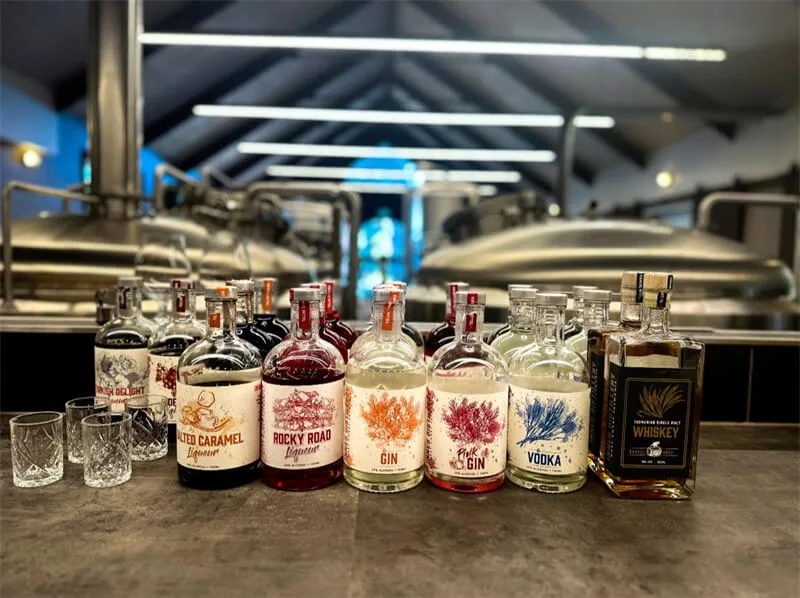
Choosing the right spirits distillation equipment is key to ensuring stable flavor profiles and high-quality output for whisky, vodka, and rum. Different spirits require distinct distillation methods, reflux structures, materials, and processes. Therefore, before investing in equipment, it is essential to clarify your product positioning, flavor goals, and production scale. Below, we will guide you through a quick understanding of how to select the most suitable still for different spirits.
Key Equipment Types and Selection Criteria
1. Type of Still
- Alambique
- Best for: Whisky (especially single malt), traditional-style rums.
- Characteristics: Batch distillation, retains more congeners (esters, aldehydes) from the raw materials, ideal for complex flavors.
- Selection Tip: Copper construction is preferred (removes sulfides). Choose size based on batch volume (e.g., 30–100 L for trials, 500+ L for commercial production).
- Column Still (Continuous Still)
- Best for: Vodka, light-bodied rums, some grain whiskies.
- Characteristics: Continuous distillation, high alcohol purity (up to 95% ABV+), clean flavor profile, high efficiency.
- Selection Tip:
- Vodka: Requires multi-column systems (3–5 plates) for extreme neutrality.
- Rum: A hybrid “pot-column” system can balance flavor and efficiency.
- Híbrido Ainda
- Best for: Whisky (e.g., Bourbon), versatile rum styles.
- Characteristics: Combines benefits of pot and column stills, allowing flexible flavor adjustment.
- Example: Modular pot still with a rectification column, suitable for small distilleries producing multiple spirit types.
2. Material Selection
- Copper: The preferred material for whisky and rum; catalyzes chemical reactions and removes impurities.
- Stainless Steel: Corrosion-resistant and easy to clean, ideal for vodka (minimal flavor interference). Should be combined with copper components (e.g., copper condensers) for quality optimization.
3. Heating Method
- Direct Fire: Traditional for some whiskies (e.g., Scotch), adds caramelized notes but difficult to control.
- Steam Heating: Modern standard, provides even heating and avoids hot spots, suitable for vodka and rum.
- Electric Heating: Common in small-scale setups, precise temperature control but higher energy consumption.
4. Scale and Capacity
- Experimental/Small-scale (<100 L): Modular stills that allow switching between pot and column modes.
- Commercial Production (>500 L): Customized systems with automated controls (e.g., PLC) for consistency.
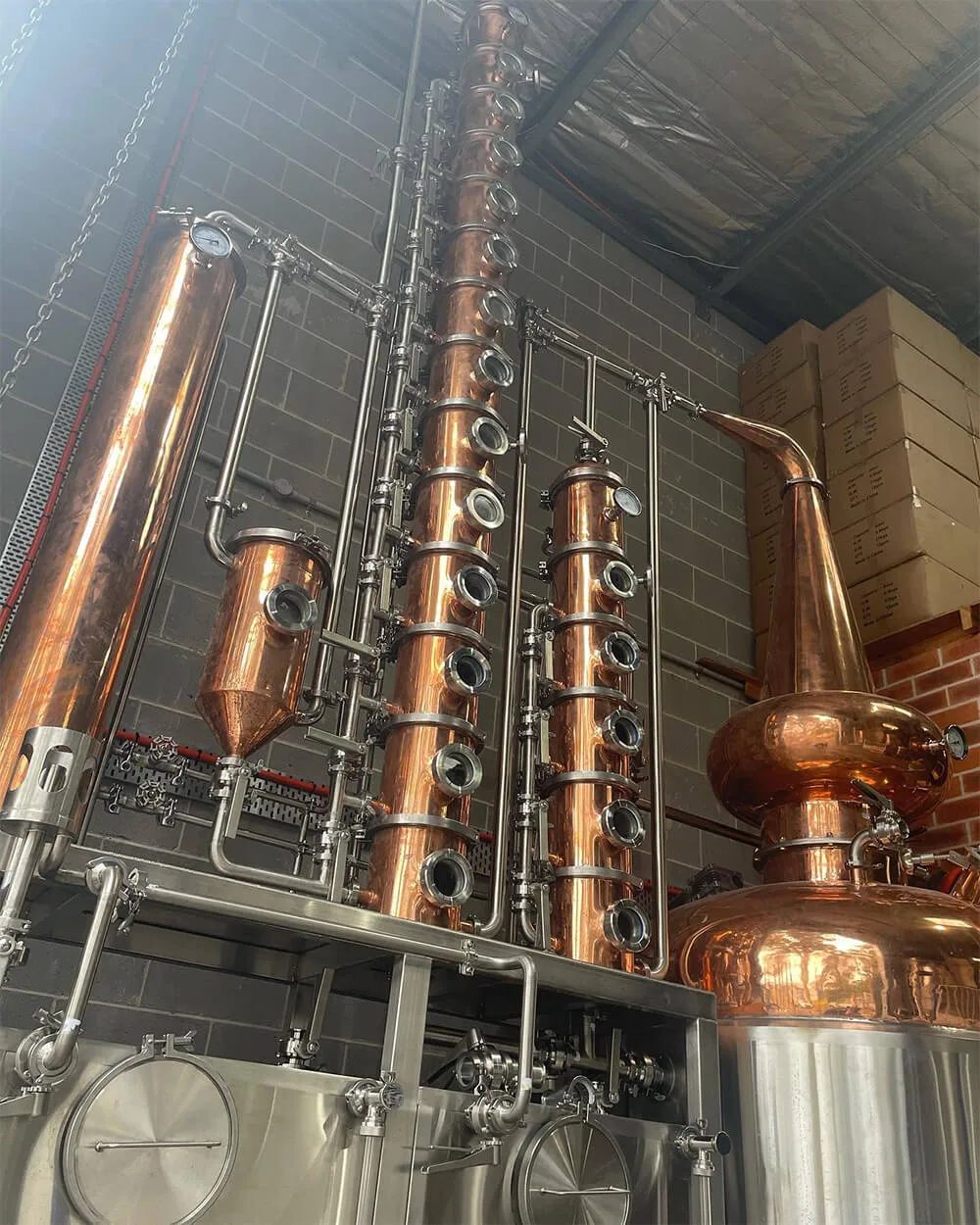
Recommended Equipment by Spirit Type
1. Whisky Equipment
- Core Need: Highlight raw material (barley, corn, etc.) flavors and aging potential in oak barrels.
- Recommended Setup:
- Still: Copper pot still (with swan neck, lyne arm).
- Key Components:
- Reflux Control: Adjustable reflux ratio for lighter or heavier spirit.
- Condenser: Shell-and-tube or worm tub condenser, preferably copper.
- Capacity Planning: Still size should match mashing and fermentation capacity (typically 2–3 times larger fermenters).
2. Vodka Equipment
- Core Need: Extreme purity, high alcohol content (≥95% ABV), neutral flavor.
- Recommended Setup:
- Still: Multi-column still (at least 3 rectification stages).
- Key Components:
- Methanol Removal Column: Eliminates heads impurities.
- Activated Carbon Filtration: Post-distillation polishing (optional but common).
- Material: Stainless steel body with copper packing or condenser parts.
3. Rum Equipment
- Core Need: Style-dependent—traditional/heavy (pot still) vs. modern/light (column still).
- Recommended Setup:
- Pot Still: For dark, flavorful rums retaining molasses richness.
- Column Still: For white rums, efficient and light-bodied.
- Hybrid Option: Pot still for flavor, followed by column refinement to balance complexity and efficiency.
Tips for Beginners
- Start Small: Use a modular 20–50 L still (e.g., “T500” series) to experiment with different spirits.
- Focus on Condenser Efficiency: High-quality condensers help retain volatile flavor compounds.
- Consult Experts: Attend workshops or discuss with suppliers to tailor equipment to your needs.
Quick Selection Guide
| Spirit | Still Type | Material | Heating | Special Requirements |
|---|---|---|---|---|
| Whisky | Pot or Hybrid | Cobre | Steam/Direct Fire | Reflux control, copper condenser |
| Vodka | Multi-column | Stainless Steel + Copper | Vapor | Precise temperature control, filtration |
| Rum | Pot/Column/Hybrid | Copper (traditional) | Vapor | Flexible setup for style variations |
By aligning your equipment with the target spirit style, production volume, and budget—while allowing room for growth—you can build a distillery that adapts to market demands. For commercial projects, it is advisable to work with a professional distillation engineer to design a complete system.
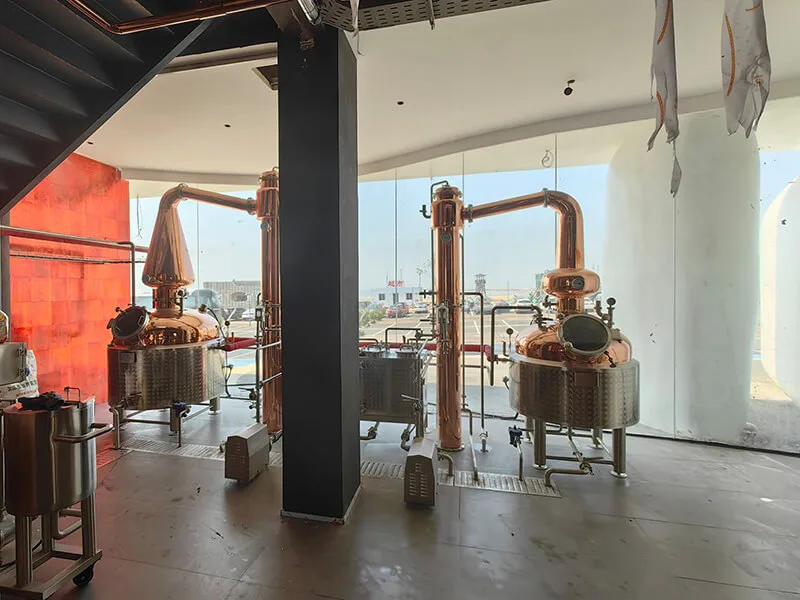
Conclusão
Choosing the right distillation equipment for whisky, vodka, and rum starts with understanding your product goals, desired flavor profile, and production scale. Pot stills preserve rich character, making them ideal for whisky and heavier rum styles. Column stills deliver high purity and efficiency, perfect for vodka and lighter rum. Hybrid stills combine both advantages and offer maximum flexibility for craft distilleries producing multiple spirit types. By selecting the proper material, reflux design, number of plates, and automation level, you can build a stable, high-quality distillation system that consistently delivers the spirits your market demands.
Se tiver alguma questão sobre a produção de cerveja, não hesite em contactar-nos Equipamento Meto.