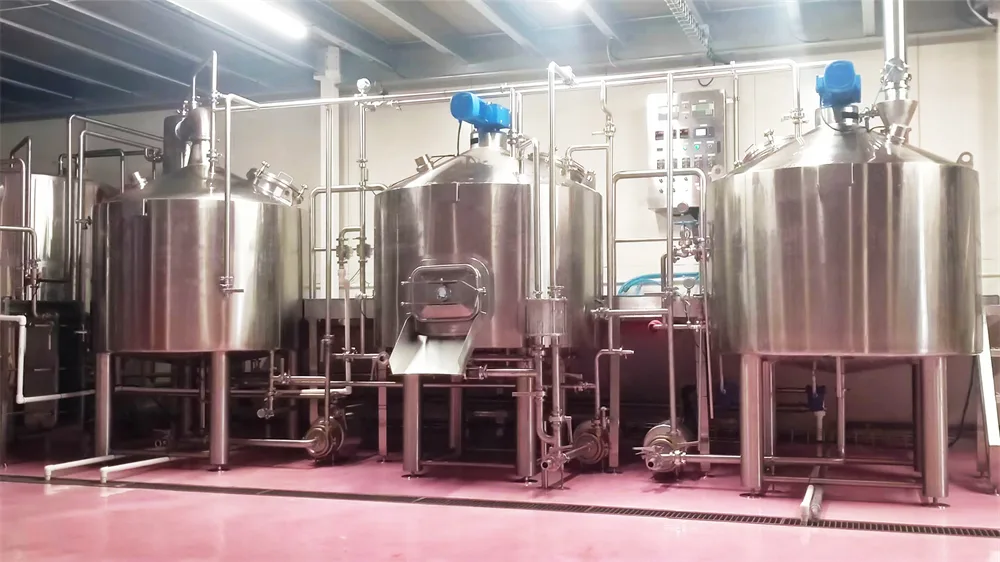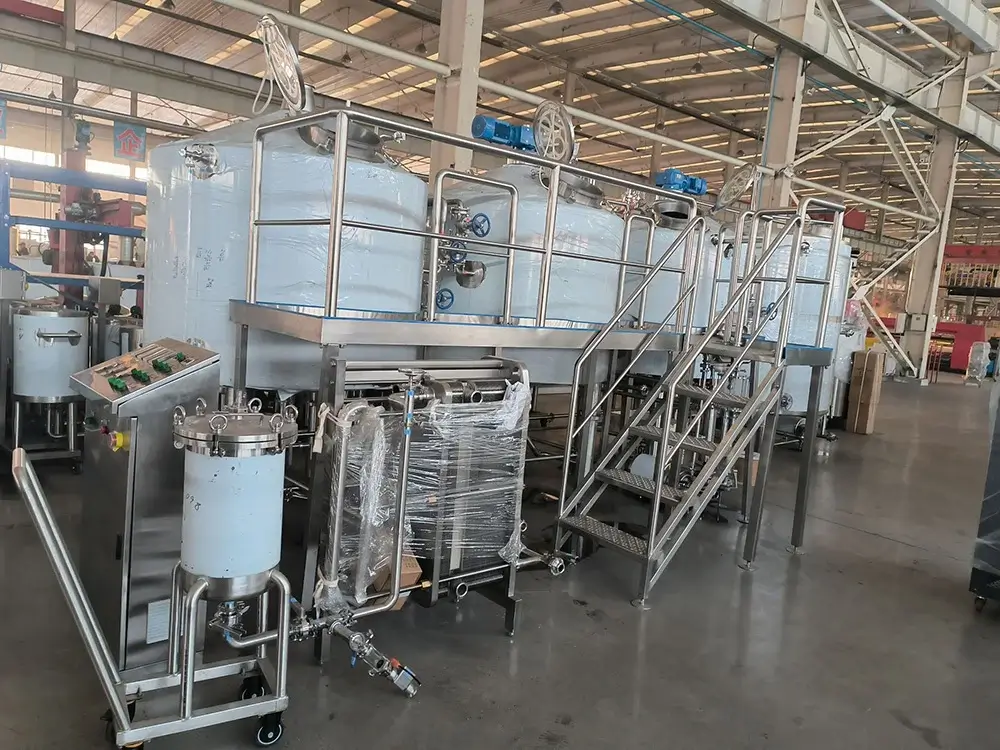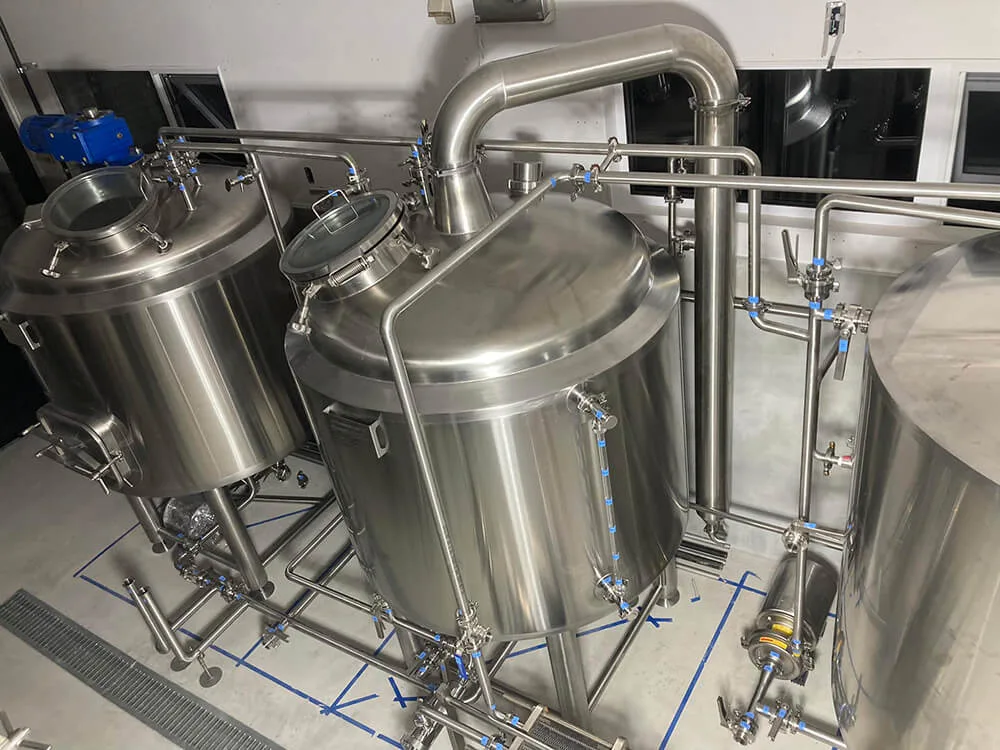

Gin production requires more than just a still. To achieve consistent flavor, botanical balance, and efficient operation, a well-designed gin distillery equipment configuration is essential—especially for craft and small-to-medium commercial distilleries.
This practical guide explains the core equipment required for gin production, how each component affects flavor and efficiency, and what to consider when designing a scalable gin distillery setup.
Understanding the Gin Production Process
Before selecting equipment, it is important to understand the basic gin production workflow:
- Neutral spirit production or sourcing
- Botanical infusion or vapor extraction
- Distillation and alcohol separation
- Cooling, dilution, and resting
- Filtration and bottling (optional)
Each step influences the final aroma, mouthfeel, and consistency of the gin.
Core Distillery Equipment for Gin Production
1. Milling and Mashing Equipment (If Producing Neutral Spirit In-House)
Some gin producers choose to distill their own base alcohol.
Typical equipment includes:
- Grain mill
- Mash/lauter tun
- Hot water tank (HLT)
- Heat exchanger
- Tanques de fermentação
While in-house neutral spirit production offers full control, many craft gin distilleries source neutral alcohol to reduce complexity and investment.
2. Fermentation Tanks
If fermenting in-house, fermentation vessels should offer:
- Food-grade stainless steel construction
- Temperature control (jacketed design)
- Easy cleaning and CIP compatibility
Proper fermentation directly impacts alcohol yield and consistency before distillation.
3. Gin Still (Pot Still)
The heart of gin production is the pot still.
Key features to consider:
- Copper contact for sulfur removal
- Batch operation for recipe flexibility
- Electric or steam heating options
- Capacity matched to batch size (500L, 1000L, or larger)
Pot stills allow precise control over flavor development and are ideal for craft-scale gin production.
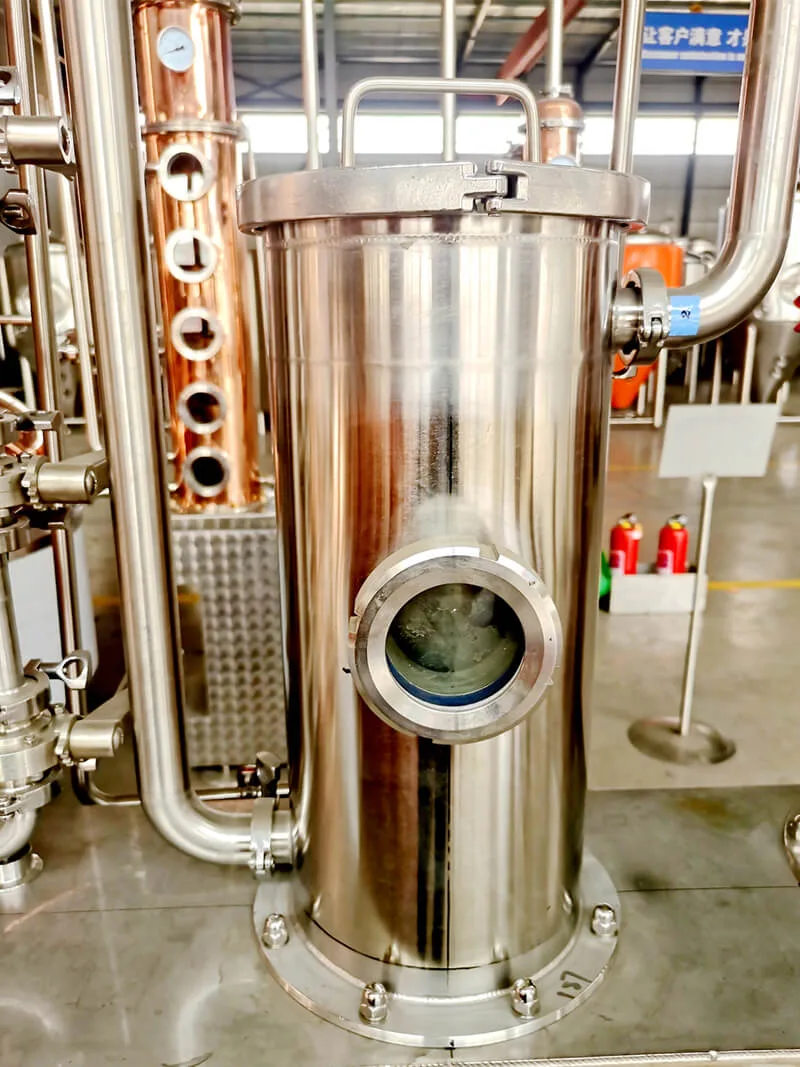
4. Gin Basket System
A gin basket is essential for vapor infusion, where alcohol vapors extract aromas from botanicals without direct boiling.
Advantages of gin baskets:
- Cleaner botanical expression
- Reduced bitterness
- Easy recipe adjustment
- Compatible with citrus peels and delicate herbs
Gin baskets can be:
- Integrated into the still column
- Installed inline between the still and condenser
5. Condenser and Cooling System
Efficient condensation ensures:
- Stable distillation
- Accurate cut points
- Improved alcohol recovery
Common condenser types include:
- Shell-and-tube condensers
- Worm tub condensers (traditional style)
Cooling systems must be sized correctly to maintain consistent output temperature.
6. Control System and Instrumentation
A reliable control system improves:
- Repeatability
- Safety
- Eficiência energética
Key controls include:
- Temperature monitoring
- Pressure relief systems
- Heating power regulation
- Flow and cooling control
Even semi-automatic systems can significantly reduce operator error.
7. CIP and Cleaning Equipment
Clean-in-place (CIP) systems are critical for:
- Removing botanical residues
- Maintaining hygiene standards
- Reducing downtime between batches
Mobile CIP pumps are common for small and medium gin distilleries.
Typical Gin Distillery Equipment Configuration (500L Example)
A standard 500L gin production setup may include:
- 500L pot still with copper components
- Integrated or inline gin basket
- Shell-and-tube condenser
- Cooling water tank and pump
- PID or PLC control system
- Mobile CIP unit
This configuration supports flexible recipes and scalable production.
Key Equipment Selection Considerations
When designing gin distillery equipment, consider:
- Botanical type and extraction method
- Desired flavor intensity
- Production batch size
- Expansion capability
- Compliance with local regulations
A modular equipment design allows future upgrades without major reinvestment.
Considerações finais
Successful gin production depends on precision, flexibility, and consistency. Choosing the right distillery equipment ensures reliable operation while preserving the delicate botanical character that defines quality gin.
For craft distilleries, a pot still with a well-designed gin basket remains the most practical and versatile solution.
Need a Customized Gin Distillery Equipment Solution?
Every gin recipe is unique. A tailored equipment configuration helps achieve the right balance between flavor control, efficiency, and long-term scalability.
Contactar-nos to discuss your gin production goals and receive a customized distillery equipment proposal.