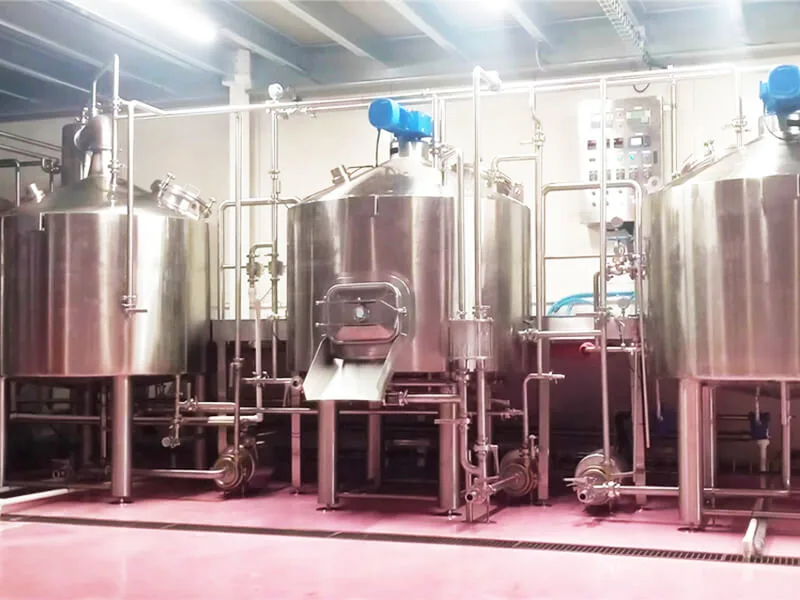
In recent years, the global appreciation for craft whiskey has surged dramatically. From the smoky single malts of Scotland to the bold bourbons of America, consumers are increasingly seeking spirits with distinct character and provenance. Whether you are an aspiring craft distiller or an entrepreneur looking to establish a commercial whiskey brand, selecting the right Whiskey Distillery Equipment is the most critical decision you will make.
However, navigating the vast landscape of stills, fermenters, and automation systems can be daunting for beginners. With so many configurations, materials, and technological options available, choosing equipment that aligns with your vision and budget requires careful planning. This comprehensive guide will walk you through the essential components and considerations for setting up a world-class whiskey production facility.
The Core Components of a Whiskey Distillery
At the heart of every whiskey distillery lies a sophisticated system designed to transform grain into spirit. Understanding these core components is the first step toward building your dream setup.
1. The Mill and Mashing System
The journey begins with the mill, where grains are crushed to expose the starches. This is followed by the Mash Tun, a vessel where milled grains are mixed with hot water to convert starches into fermentable sugars. The precision of temperature control in this stage is paramount, as it directly influences the efficiency of sugar extraction and the final flavor profile of your whiskey.
2. The Fermenter: Where Flavor is Born
While often overlooked, the Fermentation Vessel is where the magic truly happens. This is where yeast transforms sugars into alcohol, generating hundreds of esters and congeners that form the aromatic foundation of your spirit. For whiskey production, fermenters are typically made of 304 or 316L stainless steel, offering durability and ease of cleaning. The design of the fermenter—whether open-top for traditional Scottish styles or closed for American bourbon—dictates the microbial environment and thus the character of the new make spirit.
3. The Still: The Soul of the Operation
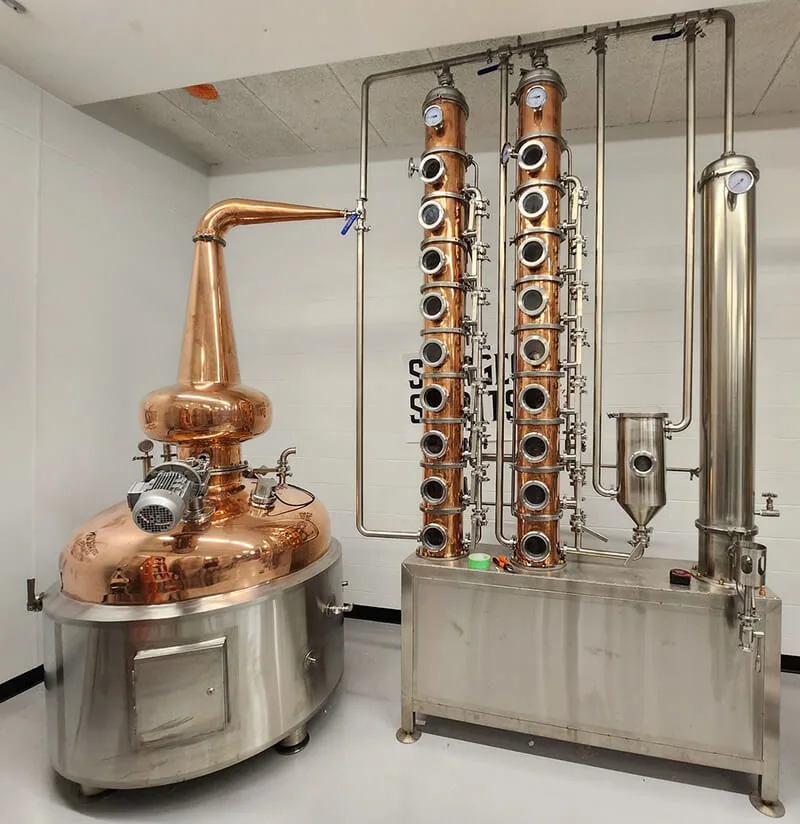
No piece of Whiskey Distillery Equipment is more iconic than the Copper Pot Still. Copper is not used merely for aesthetics; it is a chemical catalyst. During distillation, copper reacts with sulfur compounds, removing undesirable “rotten egg” odors and creating a smoother, cleaner spirit. The shape of the still—whether short and onion-shaped for a rich, full-bodied whiskey, or tall and slender for a light, floral spirit—acts as a physical filter, determining which flavor compounds make it into the final cut.
4. The Spirits Receiver and Aging Vessel
After distillation, the purified spirit must be collected. The Spirits Receiver safely gathers the distillate before it is transferred to Oak Barrels for aging. While not always part of the initial equipment package, planning for barrel storage and rickhouses is essential for any whiskey operation, as the interaction between the new make spirit and the wood is where whiskey gains its color and much of its complexity.
Key Factors Affecting Your Whiskey Production
Selecting equipment is not just about buying tanks and pipes; it is about controlling variables to achieve consistency.
- Copper Contact and Reflux: The amount of copper surface area and the reflux ratio (vapor condensing and falling back into the pot) are critical for removing impurities. High-reflux stills with copper purifiers or plates produce a lighter spirit, while direct-fired pot stills with minimal reflux yield a heavier, more flavorful spirit.
- Heating Method: The choice between Direct Firing (using gas flames) and Steam Heating significantly impacts the flavor. Direct firing can create caramelized “crust” flavors on the bottom of the pot, adding depth, while steam heating offers superior temperature control and safety.
- Cooling Efficiency: The Condenser must efficiently cool the vapor back into liquid. A poorly designed condenser can lead to spirit loss or “hot spots” that damage the integrity of the distillate.
- Hygiene and Sanitation: Bacterial contamination, such as from acetobacter, can turn your whiskey sour. Therefore, Clean-in-Place (CIP) systems are non-negotiable for commercial operations, ensuring every weld and valve is free of biofilm.
Home-Scale vs. Commercial Whiskey Distillery Equipment
To help you visualize the right setup for your needs, we have compared the two primary scales of operation:
| 特徴 | Home / Hobbyist Setup | Commercial / Turnkey Solution |
|---|---|---|
| 定員 | 50L – 300L | 500L – 2000L+ |
| 素材 | Glass, Food-grade Plastic, Small Copper Stills | 304/316L Stainless Steel, Heavy-gauge Copper |
| オートメーション | Manual Valves, Basic Heating | PLC Control, Auto-cut Systems, CIP Loops |
| Primary Use | Personal Consumption, Experimentation | Brand Sales, Bar Supply, Distribution |
| スケーラビリティ | Limited (Fixed Kits) | High (Expandable Fermenters & Stills) |
How to Choose a Reliable Supplier?
When investing in Whiskey Distillery Equipment, the supplier you choose becomes your partner in success. Here is how to vet them effectively:
- Verify Engineering Expertise: Do they understand the chemistry of distillation, or are they just selling metal? A good supplier should be able to explain how their still geometry affects reflux and homologation.
- Check Certifications: Ensure the equipment meets food-grade standards (FDA, CE, ISO). For copper stills, verify the thickness of the copper (typically 1.5mm – 3mm) to ensure longevity.
- Assess After-Sales Support: Distilling is complex. Look for suppliers who offer on-site installation, commissioning, and training. Can they provide remote technical support if a valve sticks or a sensor fails?
- Evaluate Total Cost of Ownership: Beyond the purchase price, consider energy efficiency (steam vs. electric), maintenance costs, and the durability of components like gaskets and pumps.
Future Trends in Distillery Equipment
The future of Whiskey Distillery Equipment is smarter, greener, and more adaptable.
- IoT Integration: Modern distilleries are adopting sensors that monitor temperature, pH, and alcohol by volume (ABV) in real-time, allowing distillers to manage operations from a tablet.
- 持続可能性: Water and energy recovery systems are becoming standard. Expect to see more heat exchangers that recapture waste heat to pre-heat boiler feed water.
- Modularity: To reduce startup costs, modular “nano-distillery” systems allow entrepreneurs to begin production with a single 200L still and expand their fermenter capacity as their brand grows, without replacing the entire line.
結論
Choosing the right Whiskey Distillery Equipment is an investment in your brand’s legacy. It is not merely about purchasing vessels; it is about acquiring a system that consistently produces the high-quality spirit your customers demand. By understanding the role of each component and partnering with a reputable manufacturer, you can ensure that your whiskey not only meets but exceeds expectations from the very first drop.
当社のエンジニアリングチームまでお問い合わせください today to get a customized whiskey distillery equipment solution.