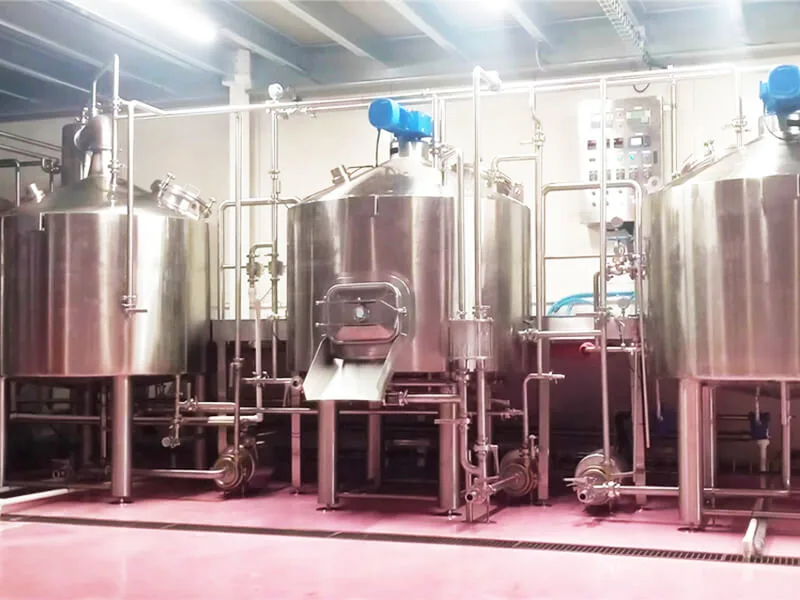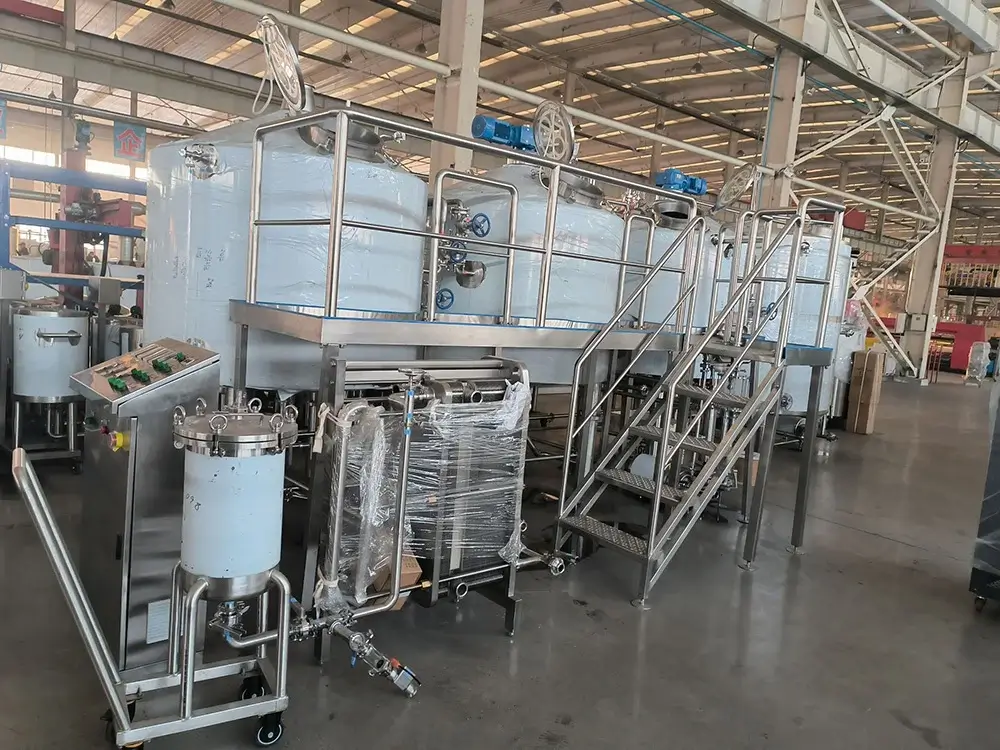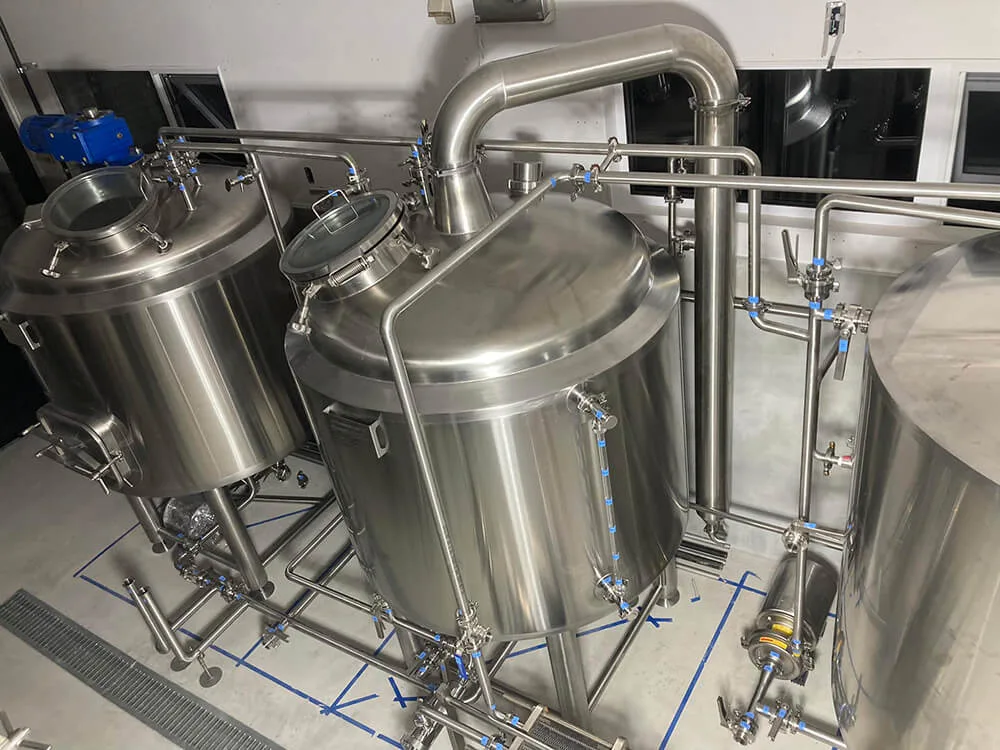
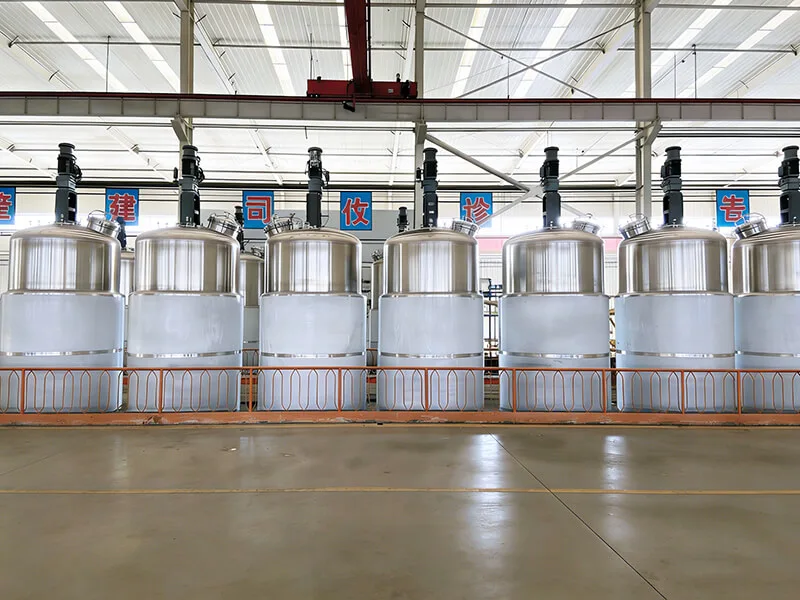
In modern manufacturing, mixing is far more than simply blending ingredients together. Whether producing beverages, pharmaceuticals, cosmetics, chemicals, or specialty food products, the quality of the mixing process directly affects product consistency, production efficiency, regulatory compliance, and operating costs.
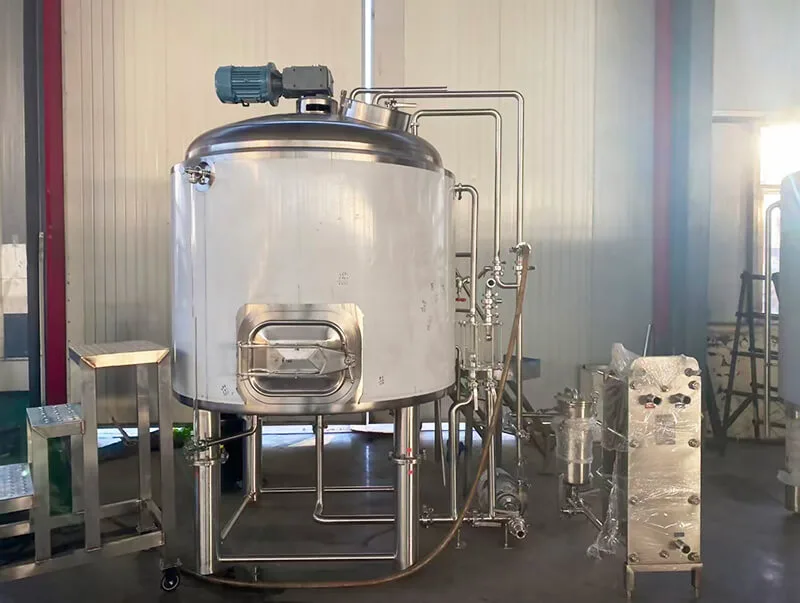
At the center of these processes is the stainless steel mixing tank—a critical piece of equipment designed for mixing, homogenization, heating, cooling, dissolution, suspension, and reaction operations.
Selecting the wrong tank material, agitator configuration, or surface finish can result in contamination risks, reduced product quality, excessive maintenance costs, and costly production downtime.
This guide provides a comprehensive overview of stainless steel mixing tanks, including material selection, engineering design, industry applications, compliance requirements, and key purchasing considerations.
Why Stainless Steel Is the Preferred Material for Mixing Tanks
Stainless steel has become the industry standard for sanitary and industrial processing equipment due to its unique combination of corrosion resistance, durability, cleanability, and mechanical strength.
Excellent Corrosion Resistance
Unlike carbon steel, stainless steel forms a passive chromium oxide layer that protects the metal from corrosion.
This characteristic makes stainless steel particularly suitable for:
- Food and beverage production
- 医薬品の製造
- Cosmetic processing
- Chemical blending
- Water treatment applications
The corrosion resistance of stainless steel helps maintain product purity while extending equipment service life.
Hygienic and Easy to Clean
For sanitary industries, equipment surfaces must be easily cleanable and resistant to bacterial growth.
Stainless steel supports:
- CIP (Clean-in-Place) systems
- SIP (Sterilize-in-Place) systems
- FDA compliance requirements
- 3-A Sanitary Standards
- EHEDG hygienic design principles
- cGMP manufacturing environments
Properly polished stainless steel surfaces minimize product residue accumulation and microbial contamination risks.
High Mechanical Strength
Stainless steel mixing vessels can withstand:
- High temperatures
- Vacuum conditions
- Internal pressure
- Aggressive cleaning chemicals
- Continuous industrial operation
This makes them suitable for both atmospheric and pressure-rated process systems.
Stainless Steel Grades: 304 vs. 316L
One of the most important decisions when purchasing a mixing tank is selecting the correct material grade.
SS304ステンレス鋼
304 stainless steel is the most widely used material for general industrial and food-grade applications.
メリット
- Cost-effective
- Excellent formability
- Good corrosion resistance
- Suitable for most food and beverage products
Typical Applications:
- Drinking water storage
- 乳製品の加工
- Beverage blending
- Syrup preparation
- General food production
SS316L ステンレス鋼
316L stainless steel contains molybdenum, which significantly improves resistance to chlorides, acids, and aggressive cleaning chemicals.
メリット
- 優れた耐食性
- Better performance in acidic environments
- Improved resistance to pitting corrosion
- Preferred for pharmaceutical production
Typical Applications:
- Pharmaceutical vessels
- 化粧品製造
- Marine environments
- Saline products
- 化学処理
- High-purity production systems
Material Comparison Table
| Property | SS304 | SS316L |
|---|---|---|
| Chromium | 18-20% | 16-18% |
| Nickel | 8-10.5% | 10-14% |
| Molybdenum | None | 2-3% |
| Corrosion Resistance | グッド | 素晴らしい |
| Chloride Resistance | 中程度 | 高い |
| Cost | より低い | より高い |
| Pharmaceutical Use | 限定 | Preferred |
Why 316L Is Preferred in Sanitary Industries
The “L” in 316L indicates low carbon content (maximum 0.03%).
主な特典は以下の通りです:
- Reduced carbide precipitation
- Better weld integrity
- Improved corrosion resistance around weld seams
- Easier compliance with pharmaceutical standards
Critical Design Components of a Stainless Steel Mixing Tank
The performance of a mixing system depends heavily on its engineering design.
Agitator Selection
Different products require different mixing technologies.
Propeller Agitator
最高だ:
- 低粘度の液体
- Water-based solutions
- 飲料の製造
メリット
- High circulation rate
- Energy efficient
- Fast blending
タービン式撹拌機
最高だ:
- 気液分散
- Fermentation systems
- Aeration processes
メリット
- Strong radial flow
- Excellent gas transfer
アンカー式撹拌機
最高だ:
- High-viscosity materials
- Creams
- Pastes
- Resins
メリット
- 壁の均一な削り取り
- Improved heat transfer
High Shear Mixer
最高だ:
- 乳化
- 均質化
- Particle size reduction
用途:
- Cosmetic creams
- Mayonnaise
- Pharmaceutical suspensions
- Nutritional beverages
High shear mixers can generate shear rates sufficient to produce stable emulsions and improve product texture.
Jacketed Mixing Tank Configurations
Many industrial processes require temperature control.
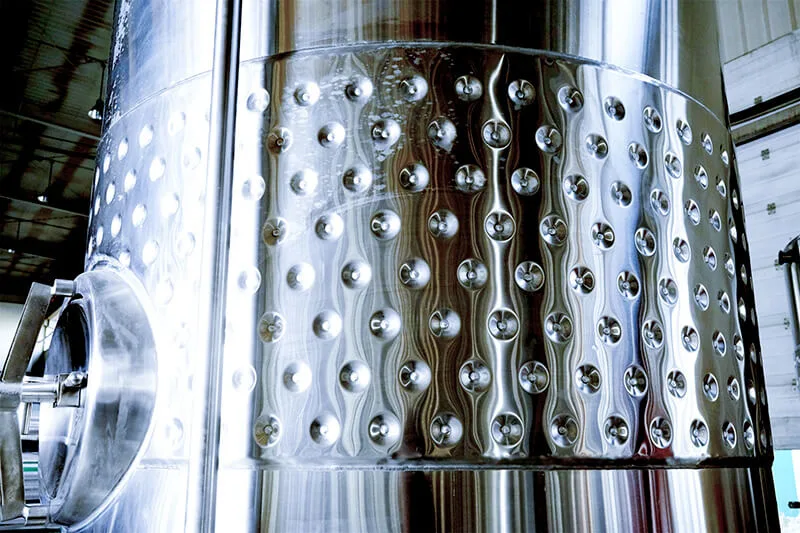
A jacketed mixing tank allows heating or cooling media to circulate around the vessel wall.
Conventional Jacket
メリット
- Economical
- Suitable for moderate pressure applications
ディンプルジャケット
メリット
- Improved heat transfer
- Reduced material weight
- Lower manufacturing costs
Commonly used in:
- Food processing
- Brewing
- 飲料の製造
Half-Pipe Coil Jacket
メリット
- Excellent pressure resistance
- 高い熱効率
Often used in:
- Chemical reactors
- Pharmaceutical vessels
- High-pressure applications
Surface Finish Requirements for Hygienic Processing
Surface finish plays a major role in cleanability and compliance.
Industrial Finish
Typical roughness:
Ra ≤ 1.6 μm
対象:
- 化学処理
- 水処理
- Industrial applications
Food Grade Finish
Typical roughness:
Ra ≤ 0.8 μm
対象:
- 飲料の製造
- 乳製品の加工
- Food manufacturing
Pharmaceutical Finish
Typical roughness:
Ra ≤ 0.4 μm
対象:
- Injectable products
- Sterile manufacturing
- Biopharmaceutical processing
Electropolishing may be applied to further improve cleanability and corrosion resistance.
Types of Stainless Steel Mixing Tanks by Industry
Food & Beverage Mixing Tanks
Common applications include:
- Honey heating and mixing tanks
- Beverage blending systems
- Dairy processing vessels
- Syrup preparation tanks
- Sauce production tanks
- Brewing fermentation tanks
主な要件
- Food-grade materials
- CIP洗浄システム
- Sanitary welds
- FDAの規制遵守
Pharmaceutical Mixing Vessels
用途:
- Buffer preparation
- Vaccine manufacturing
- API processing
- Sterile solution blending
主な要件
- SS316L construction
- Orbital welding
- Ra ≤ 0.4 μm finish
- cGMP compliance
- Validation documentation
Cosmetic Mixing Tanks
用途:
- Cream production
- Lotion manufacturing
- Shampoo blending
- Emulsified products
典型的な構成:
- Vacuum system
- High shear homogenizer
- Heating and cooling jacket
- PLC automation
Chemical Mixing Tanks
用途:
- Detergent production
- Paint manufacturing
- Adhesive preparation
- Resin blending
Requirements:
- Corrosion-resistant materials
- Explosion-proof options
- Pressure-rated design
- Advanced agitation systems
Sanitary vs. Industrial Mixing Tanks
Many buyers mistakenly assume all stainless steel tanks are sanitary.
However, significant differences exist.
| 特徴 | Sanitary Tank | Industrial Tank |
|---|---|---|
| 表面仕上げ | Ra ≤ 0.8 μm | Ra 1.6-3.2 μm |
| Weld Treatment | Ground & polished | Standard weld |
| CIP Spray Ball | Standard | Optional |
| Dead Legs | Minimized | Less critical |
| Compliance | FDA, 3-A, EHEDG | Industrial standards |
| Typical Industry | Food, Pharma | Chemical, Utility |
Choosing the wrong type can create regulatory and operational challenges.
Customization Options That Improve Productivity
Most industrial facilities require custom-engineered solutions.
CIP Cleaning Systems
メリット
- 人件費の削減
- Improved sanitation
- 洗浄サイクルの短縮
- Consistent cleaning validation
Load Cells
Integrated weighing systems allow:
- Accurate batching
- Recipe control
- Inventory monitoring
Insulation Systems
メリット
- エネルギー消費量の削減
- 安定したプロセス温度
- Improved thermal efficiency
PLC Automation
Modern mixing tanks can integrate:
- レシピ管理
- 温度制御
- Variable-speed agitation
- Data logging
- 遠隔監視
PLC-controlled systems improve repeatability and reduce operator dependency.
How to Choose the Right Stainless Steel Tank Manufacturer
Selecting the right supplier is often more important than selecting the tank itself.
Engineering Capabilities
Look for manufacturers that provide:
- CAD drawings
- 3D models
- Process calculations
- Agitator sizing reports
認証
Important certifications may include:
- ASME pressure vessel certification
- PED compliance
- ISO 9001 quality management
- CE認証
Material Traceability
Professional suppliers should provide:
- MTR (Material Test Reports)
- Surface finish certificates
- Welding documentation
- Pressure test records
Material traceability is increasingly required by international buyers and regulatory auditors.
Factory Acceptance Testing (FAT)
A reputable manufacturer should perform FAT before shipment.
Typical FAT procedures include:
- Dimensional inspection
- Weld inspection
- Agitator testing
- Pressure testing
- Instrument verification
FAT reduces commissioning risks and ensures equipment meets project specifications.
Global Delivery Support
For overseas projects, verify whether the supplier offers:
- DDP delivery options
- 設置手順
- 試運転支援
- スペアパーツの供給
- Long-term technical assistance
最終的な感想
A stainless steel mixing tank is a long-term capital investment that directly influences product quality, operational efficiency, and regulatory compliance.
Rather than focusing solely on initial purchase price, buyers should evaluate:
- Material grade
- Agitator design
- Surface finish
- Compliance requirements
- 自動化レベル
- Manufacturer expertise
Whether you are producing beverages, pharmaceuticals, cosmetics, or specialty chemicals, a properly engineered stainless steel mixing vessel can deliver decades of reliable service while supporting consistent, high-quality production.
Looking for a Custom Stainless Steel Mixing Tank?
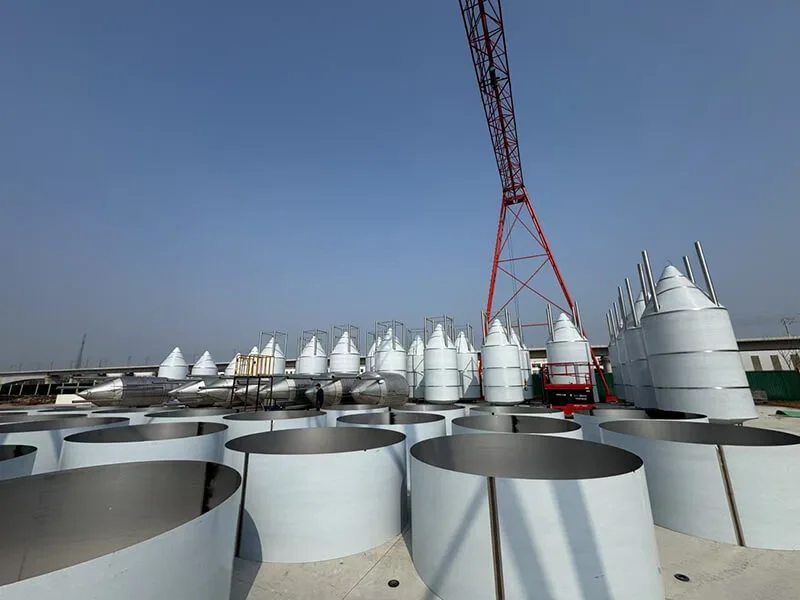
Our engineering team specializes in designing and manufacturing custom stainless steel mixing tanks from 50L to 50,000L, including sanitary vessels, jacketed mixing tanks, high shear emulsification systems, and ASME-certified process equipment.
お問い合わせ for a free technical consultation and customized quotation.