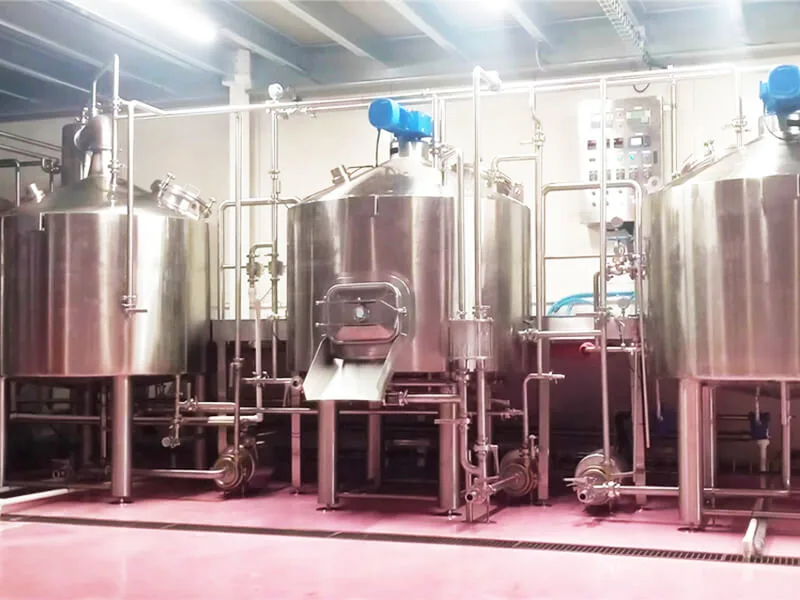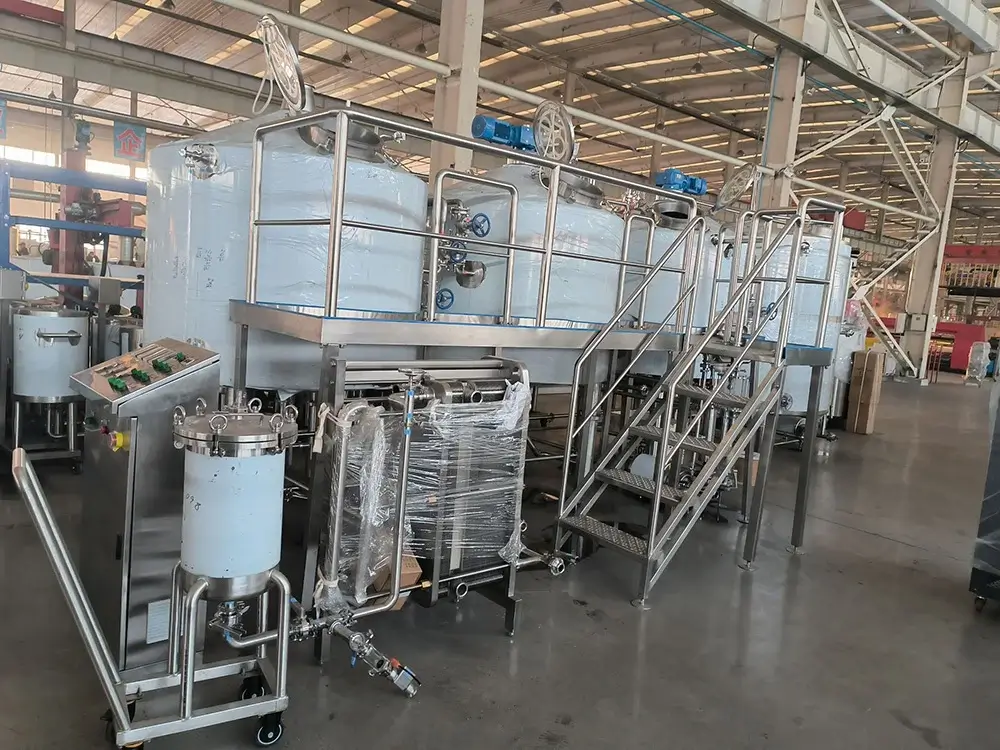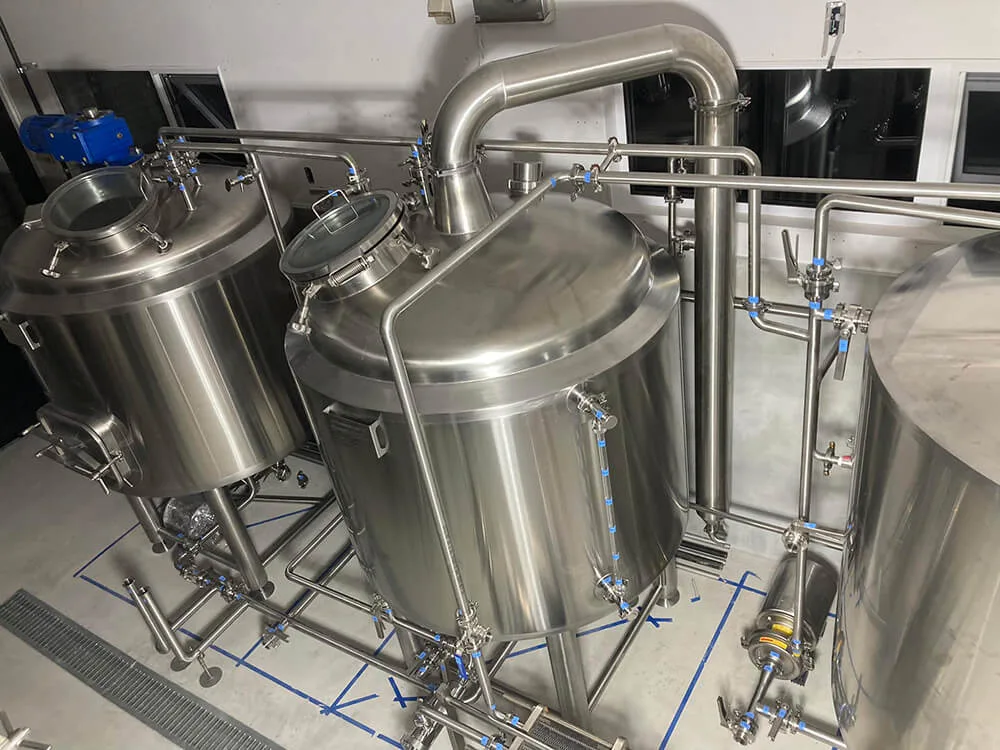
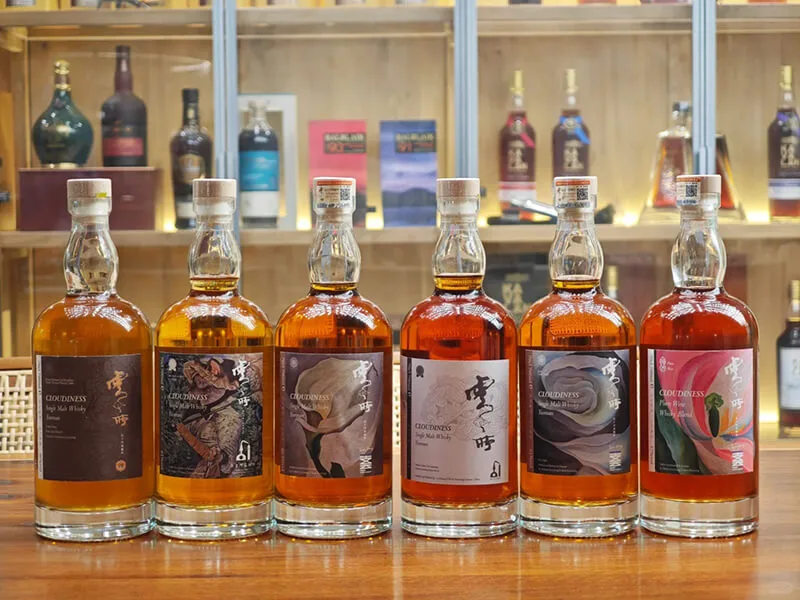
A distillation system is one of the core systems in a commercial distillery. It separates and concentrates alcohol and other volatile compounds from a fermented liquid by using differences in volatility.
For spirits producers, the distillation system does more than increase alcohol concentration. The still design, heating method, reflux, condenser configuration, and operating conditions can all influence the final spirit’s aroma, strength, texture, and consistency.
A typical spirits production process can be understood as:
Fermentation → Heating → Vaporization → Separation → Condensation → Spirit Collection
The exact equipment configuration depends on the spirit being produced, production capacity, required alcohol strength, and desired flavor profile.
1. What Happens Before Distillation?
Distillation begins with a fermented liquid rather than raw ingredients.
Depending on the spirit, the feed may come from fermented grain, fruit, sugarcane, molasses, or other suitable raw materials.
The general process includes:
- Raw material preparation
- Mashing or juice preparation
- 発酵
- Transfer to the distillation system
During fermentation, yeast converts fermentable sugars into alcohol and other compounds. The resulting liquid contains ethanol, water, and many flavor and aroma compounds.
This fermented liquid is then transferred to the still for distillation.
2. How Does the Distillation Process Work?
The basic principle is based on differences in volatility.
When the fermented liquid is heated, different compounds vaporize at different rates. Alcohol-rich vapor rises through the distillation equipment, while less volatile components remain in the liquid or condense at different stages.
The vapor is then directed to a condenser, where it is cooled back into liquid form.
In commercial spirits production, however, the actual process is more sophisticated than simple laboratory distillation. Still geometry, vapor paths, reflux, temperature control, and separation stages all affect the final product.
3. Main Components of a Distillation System
A commercial distillation system can contain several major components.
Distillation Kettle or Pot
The distillation kettle holds the fermented liquid and provides the heating surface required to generate vapor.
Pot stills are commonly used when producers want to retain more of the character and flavor compounds associated with the fermented feed.
Depending on the application, kettles may be manufactured from stainless steel, copper, or a combination of materials.
Column
A column provides additional vapor-liquid contact and separation.
Column stills can provide higher levels of rectification and are often selected when producers require a cleaner or higher-strength spirit.
Column design can vary significantly depending on the desired product. Different configurations may include plates, packing, reflux sections, and other separation components.
コンデンサー
The condenser cools the alcohol-containing vapor and converts it back into liquid.
Common condenser designs include shell-and-tube and other engineered heat-exchange configurations.
The condenser capacity needs to match the still’s heating and vapor production rate to ensure stable operation.
Spirit Receiver
After condensation, the distillate is collected in a receiver or collection tank.
Commercial systems may include separate collection arrangements for different fractions, allowing the distiller to manage the beginning, middle, and end portions of a distillation run according to the production process.
制御システム
Modern distillation systems can also include temperature, pressure, flow, level, and heating controls.
PLC-based automation can help operators monitor key process parameters and maintain repeatable production conditions.
4. Pot Still vs Column Still
The choice of still is one of the most important decisions when designing a distillery.
ポット・スチル
A pot still is relatively straightforward in design and is widely associated with spirits where flavor and character are important.
It is commonly used for:
- ウイスキー
- Brandy
- ラム酒
- Some craft gin applications
Pot still systems generally provide less rectification than highly efficient column systems, which can allow more congeners and flavor compounds to remain in the spirit.
コラム
A column still provides continuous or staged vapor-liquid contact, allowing more efficient separation and rectification.
It is commonly used for:
- Vodka
- Neutral spirits
- High-volume production
- Applications requiring higher alcohol concentration
Column stills can also be integrated with additional rectification sections when a cleaner spirit is required.
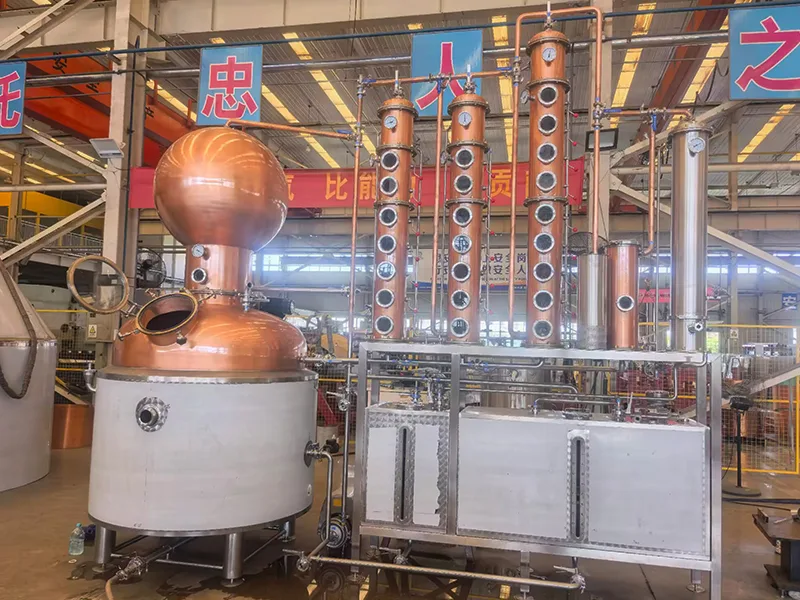
Hybrid Still
A hybrid still combines features of a pot still and a column system.
This configuration is particularly useful for craft distilleries producing multiple types of spirits. The same system can be configured for different production requirements by adjusting the operating mode and separation stages.
For a distillery producing whisky, gin, brandy, rum, or other spirits, a hybrid system can provide greater production flexibility than a single-purpose still.
5. Why Reflux Matters
Reflux is an important part of many commercial distillation systems.
When some vapor condenses inside the column and flows back downward, it comes into contact with rising vapor. This repeated vapor-liquid interaction improves separation.
In general:
More reflux → greater rectification and a cleaner spirit
Less reflux → greater retention of certain flavor compounds
The optimum reflux conditions depend on the spirit being produced. A whisky producer may want a different separation profile from a vodka producer.
Therefore, distillation equipment should be designed around the target spirit rather than simply maximizing alcohol concentration.
6. How Heating Affects Distillation
The heating system supplies the energy required to vaporize the fermented liquid.
Common heating methods include:
- Steam heating
- Electric heating
- Thermal oil systems
- Direct fire for certain traditional applications
Steam heating is widely used in commercial distilleries because it provides controllable and relatively uniform heating.
Electric heating can be suitable for smaller systems where steam infrastructure is not available.
The heating capacity should be matched to the still volume, batch size, desired distillation time, and production schedule.
7. The Role of Copper in Distillation
Copper is traditionally used in many spirit distillation systems, particularly for whisky and brandy.
Copper can interact with certain sulfur-containing compounds during distillation, which is one reason copper components are widely used in traditional spirits production.
However, not every part of a distillation system needs to be made entirely from copper.
Modern systems can combine copper components with stainless steel tanks, columns, piping, frames, and other equipment.
The appropriate material selection depends on the spirit, process design, maintenance requirements, budget, and local regulations.
8. Single Distillation vs Double Distillation
Some spirits are distilled once, while others undergo multiple distillation stages.
With double distillation, the first distillation produces an intermediate spirit or low-wine fraction. This is then distilled again to achieve the desired separation and alcohol concentration.
Multiple distillation stages can provide greater control over the final spirit profile.
However, additional distillation also means longer processing time, higher energy consumption, and additional equipment requirements.
The choice should therefore be based on the specific production process rather than assuming that more distillation is always better.
9. What Determines the Final Spirit Quality?
Distillation is only one part of spirits production.
The final product can be affected by:
- Raw material
- Fermentation conditions
- Yeast selection
- 発酵時間
- Still design
- Heating rate
- Reflux
- Distillation temperature and pressure
- Fraction management
- Condenser design
- Aging and maturation
- Water quality
- Blending
This is why simply choosing a larger still does not automatically produce better spirits.
A well-designed distillery system should match the entire production process.
10. How to Choose a Distillation System for Your Distillery
Before purchasing distilling equipment, buyers should define several key parameters.
Production Capacity
Determine the required batch size and annual production target.
For example, a 300L pilot or craft system has very different requirements from a 2,000L or 5,000L commercial system.
Spirit Type
The target spirit should be defined before selecting the still.
Whisky, gin, brandy, rum, vodka, and other spirits may require different distillation configurations.
Still Type
Choose between:
- Pot still
- Column still
- Hybrid still
Some distilleries may also require specialized components such as gin baskets, rectification columns, or multiple distillation kettles.
加熱方法
Consider available utilities, energy costs, production requirements, and local regulations when selecting steam, electric, direct-fire, or other heating methods.
オートメーション
Small craft systems may use manual controls, while larger commercial systems often benefit from PLC-based monitoring and automated control.
Automation can improve repeatability and make it easier to monitor temperature, pressure, flow, and other process parameters.
11. Distillation Equipment Is Part of a Complete Distillery
A commercial distillery normally requires more than a still.
Depending on the process, a complete system may include:
- Mashing equipment
- 発酵タンク
- Distillation system
- Condensers
- Spirit receivers
- Storage tanks
- CIP洗浄システム
- 冷却システム
- Pumps and process piping
- 制御システム
- Utilities and supporting equipment
For a new distillery project, these systems should be considered together.
Tank capacity, distillation capacity, cooling capacity, heating capacity, and production scheduling need to be properly matched.
12. Why Engineering Design Matters
Two distilleries with the same still volume may have very different production requirements.
For example, a 1,000L distillation system for whisky may require a different configuration from a 1,000L system designed for gin or neutral spirits.
A professional equipment manufacturer should therefore consider:
- Spirit type
- Fermentation capacity
- Batch size
- Target alcohol strength
- Distillation frequency
- Heating method
- 冷却要件
- 自動化レベル
- Available factory utilities
- Future production expansion
The goal is not simply to provide a still, but to develop a distillation system that works as part of the customer’s complete production process.
結論
A distillation system works by heating a fermented liquid, separating volatile compounds through vaporization and vapor-liquid interaction, condensing the vapor, and collecting the resulting spirit.
However, commercial spirits production involves much more than the basic distillation principle. Pot stills, column stills, and hybrid systems provide different levels of separation and different opportunities to control the character of the final spirit.
For international buyers, the right distillation system should be selected according to spirit type, production capacity, desired flavor profile, heating method, automation requirements, and future expansion plans.
METO provides customized distillation equipment and complete distillery solutions for different production scales, including pot still, column still, hybrid still, and copper distillation systems.
If you are planning a new distillery or upgrading an existing production line, the equipment configuration should be developed around your specific process and production requirements.