With the continuous boom in craft beer culture, the market demand for high-quality, efficient, and optimized commercial brewing systems is growing rapidly. Commercial brewing equipment is not only the cornerstone of any brewery but also directly determines the quality, consistency, and efficiency of beer production. Whether you are planning to open a brewpub or preparing a large-scale craft brewery, gaining an in-depth understanding of commercial brewing systems is the first step toward success.
What is a Commercial Brewing System?
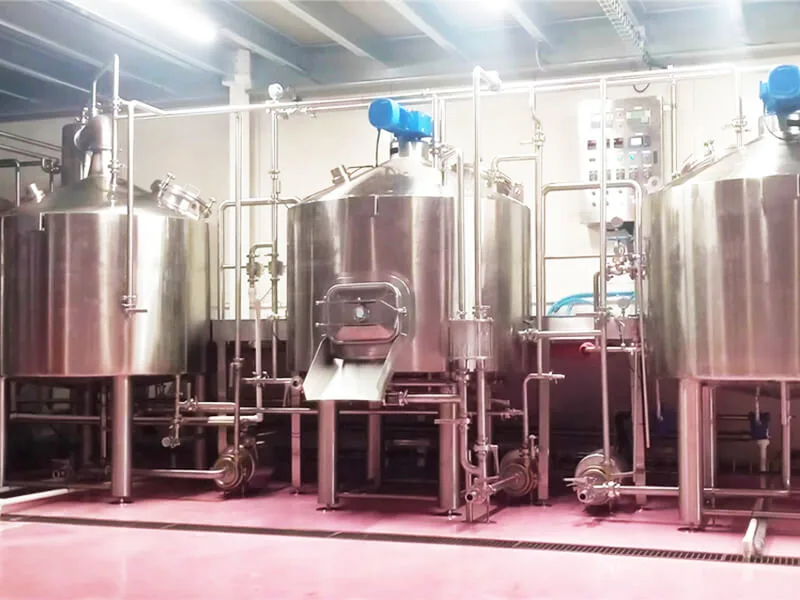
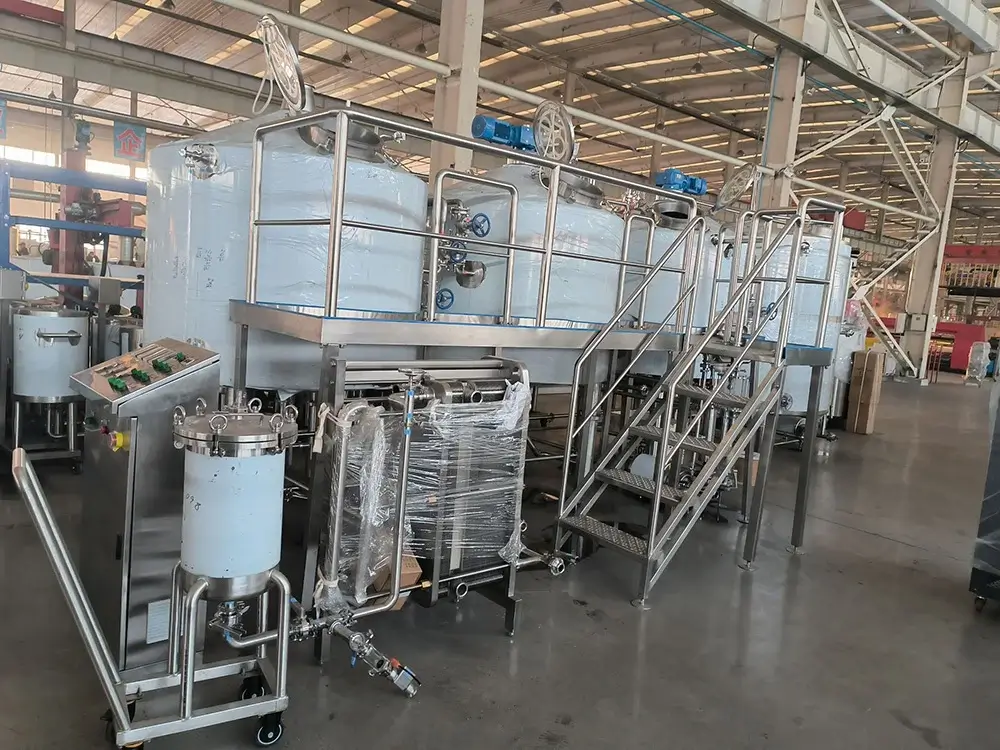
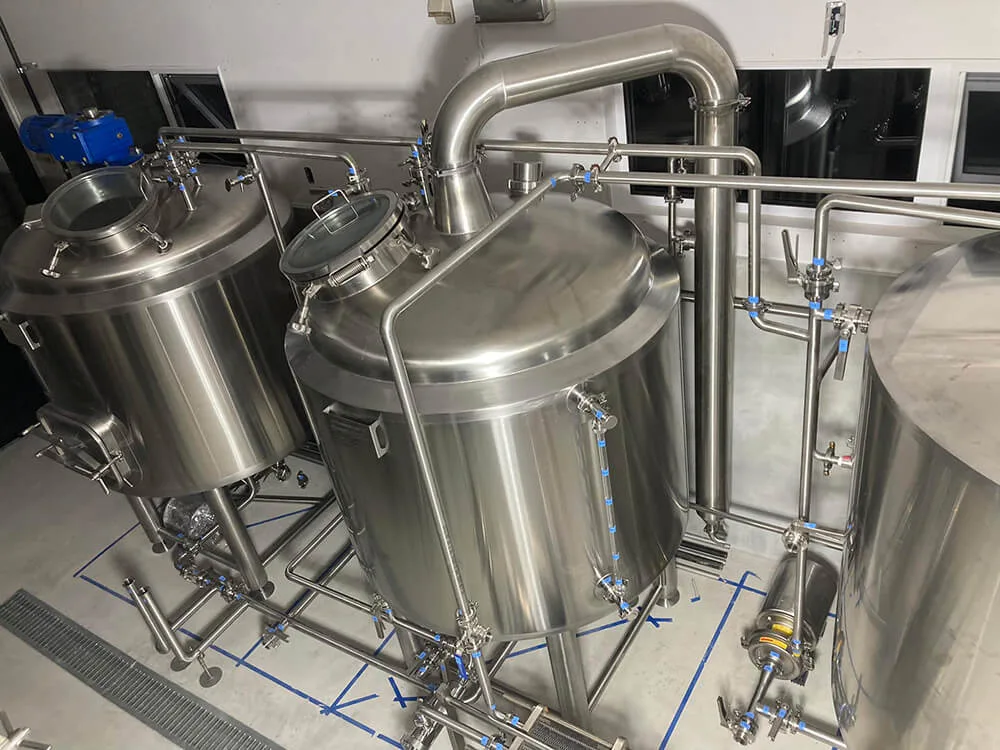
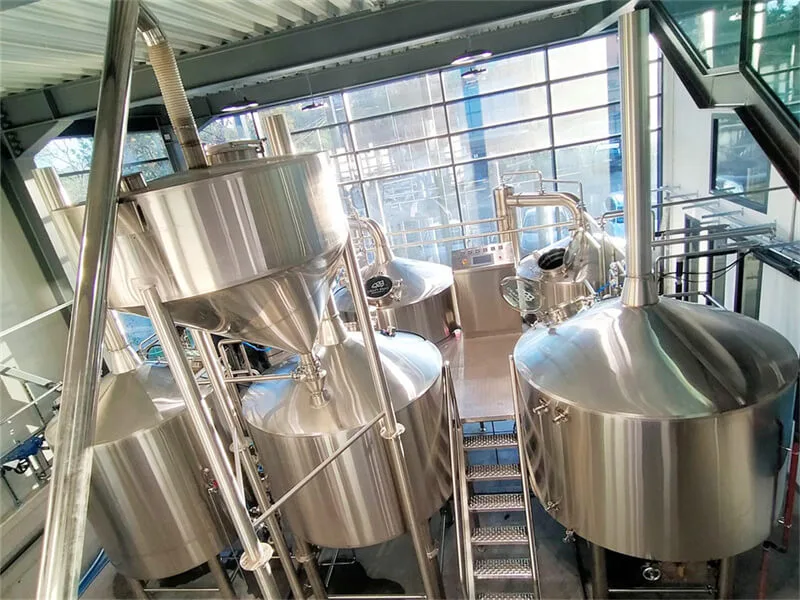
A commercial brewing system is integrated equipment specifically designed for the large-scale production of beer and other fermented beverages. These systems vary in scale and complexity, ranging from small craft breweries to large industrial facilities. Various institutions rely on these professional brewing systems to meet the demands of beer enthusiasts worldwide. At its core, a commercial brewhouse provides brewers with the flexibility to brew exceptional beer while maintaining strict control over the brewing process.
Types of Commercial Brewing Systems
Based on production capacity and operational needs, commercial brewing systems are mainly divided into the following types:
Brewpub Systems
Compact commercial brewing equipment typically installed directly within a restaurant or bar. It allows the venue to serve freshly brewed beer on-site, adding a unique dining and social experience for customers. These are often direct-fire or electric-heated small commercial brewing systems.
Microbrewery Systems
Small-scale installations that are more extensive than brewpub systems, specifically designed to produce craft beer primarily for the local market. A microbrewery system focuses on flexibility and creativity, often utilizing manual or semi-automatic craft brewing equipment.
Craft Brewery Systems
Medium-scale equipment suitable for producing large quantities of beer for distribution across regions or states. A craft brewery system caters to a wider audience while maintaining the unique flavors of craft beer, balancing automation with artisanal techniques.
Industrial Brewery Systems
Large-scale operations with powerful production capabilities. These industrial brewing systems not only supply beer but may also offer other derivative products, making them key players in the beer industry. They represent the pinnacle of commercial beer brewing equipment regarding output and automation.
Basic Components of a Turnkey Commercial Brewing System
A complete “turnkey” 業務用醸造システム typically includes the following core modules and components:
- Raw Material Pre-processing System: Before brewing begins, grains need to be ground into a fine powder by milling equipment (such as roller mills) to ensure optimal brewing results in your commercial brewhouse.
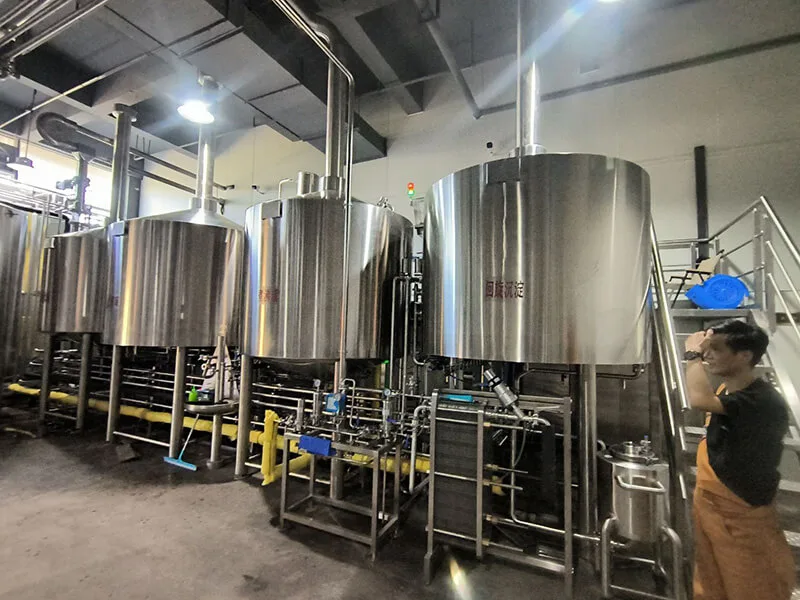
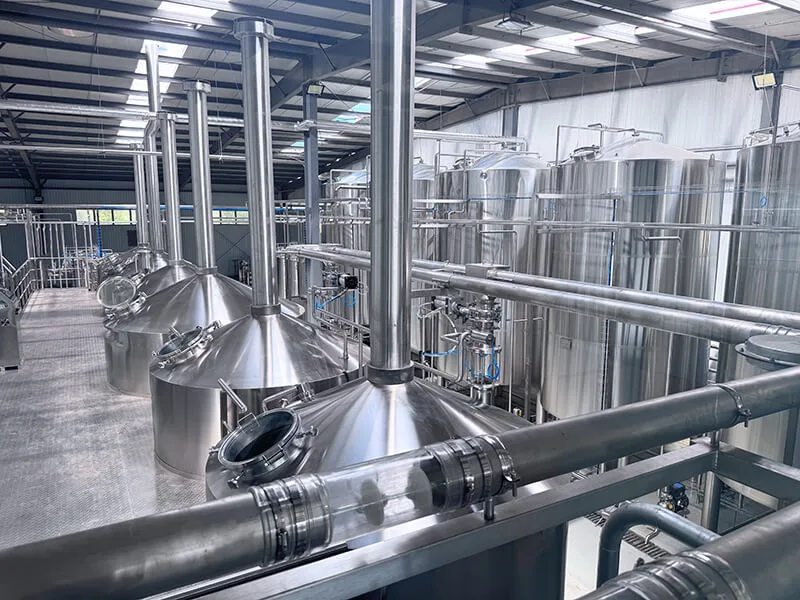
- Main Brewhouse Equipment (Hot Side): This is the heart of the commercial beer brewing system. It includes the mash tun for converting starches into sugars, the lauter tun for solid-liquid separation, the brew kettle for boiling wort and adding hops, and the whirlpool for separating hot trub.
- Wort Cooling and Aeration System: Rapidly cools the high-temperature wort to the yeast pitching temperature through plate or tubular heat exchangers, and provides the necessary oxygen for yeast propagation through aeration devices.
- Fermentation and Storage System (Cold Side): Conical fermenters are where yeast converts sugar into alcohol, equipped with jacketed temperature control systems to precisely control the fermentation environment. Additionally, it includes bright beer tanks or maturation tanks for beer clarification and storage.
- Automation and Control System: The “brain” of modern commercial brewing systems. Through PLC (Programmable Logic Controller) and HMI (Human-Machine Interface), brewers can precisely control mashing programs, temperature curves, pump and valve linkage, etc., achieving automation and repeatability of the brewing process.
- Utilities and Auxiliary Systems: Includes the refrigeration system (such as glycol chillers) that provides a cold source for the equipment, the steam boiler that provides a heat source, and the CIP (Clean-in-Place) system that ensures hygiene standards.
- Packaging Equipment: Commercial beer packaging equipment is responsible for bottling, canning, or kegging the finished beer, the key link connecting production with end consumers.
The Commercial Beer Brewing Process
Commercial brewing is a rigorous and interlocking process managed within a state-of-the-art commercial brewing system:
- Milling and Mashing: After precise milling, malt and other grains are mixed with water in the mash tun. Under specific temperature and time controls, the starches in the malt are converted into fermentable sugars.
- Lautering and Boiling: The mashed liquid enters the lauter tun to separate clear wort from spent grains. The wort is then pumped into the brew kettle for high-temperature boiling, during which brewers add hops according to process requirements to impart unique bitterness and aroma to the beer.
- Whirlpool and Cooling: The boiled wort passes through the whirlpool to remove impurities, is rapidly cooled via a heat exchanger, and is injected with sterile air or oxygen, preparing to enter the fermentation stage.
- Fermentation: The cooled wort is transferred to the fermenter, and yeast is pitched. Under strict constant temperature and pressure control, yeast converts the sugars in the wort into alcohol and carbon dioxide, forming the base flavor of the beer.
- Post-processing and Packaging: The mature fermented beer undergoes post-processing steps such as filtration and clarification to remove excess yeast and sediment. Finally, it is packaged into bottles, cans, or kegs through an automated filling line to become the final product.
Maintenance and Care of Commercial Brewing Systems
Proper cleaning and maintenance are the lifelines for ensuring the service life of your commercial brewery equipment and the quality of the beer.
- CIP (Clean-in-Place) System: Commercial brewing systems are typically equipped with built-in CIP systems. Without disassembling the equipment, it can automatically and thoroughly clean and disinfect the internal surfaces of tanks, pipelines, etc., using hot water, acidic and alkaline cleaning solutions through preset programs, effectively preventing microbial contamination and residue buildup.
- Regular Maintenance and Inspection: In addition to daily automated cleaning, regular equipment maintenance inspections are equally crucial. This includes inspecting pumps, valves, sensors, and utility equipment such as refrigeration and heating systems. Timely preventive maintenance can identify potential faults, reduce expensive downtime caused by mechanical issues, and ensure the brewery is always in optimal operating condition.
📊 Commercial Brewing Systems Buying Guide: How to Avoid Investment Pitfalls?
After understanding the basic composition and brewing process, how to purchase a set of commercial brewing systems that truly suits your needs and can ensure long-term stable profitability is the core issue that every entrepreneur cares about most. The following is a practical buying guide for craft commercial brewing systems to help you avoid investment pitfalls and make the best decision.
1. Define Production Needs and Site Planning
Before contacting any commercial brewing equipment manufacturers, you must first have a clear quantitative understanding of your own needs. Blindly pursuing “large capacity” often leads to wasted funds and operational pressure.
- Capacity Planning: Reverse-engineer the equipment scale based on your target market. For example, small bars are suitable for 100-500 liter micro-equipment; whereas those aiming for regional brand expansion will need a commercial brewing system of 1 ton to 10 tons or more.
- Site and Supporting Facilities: Before signing the contract, verify your site’s water supply, drainage, power supply, ventilation, and the installation space for the glycol cooling system. Compact or skid-mounted commercial brewing systems for sale are perfect for startups with limited space.
- Brewing Goals and Turnover Rate: Clarify your weekly brewing frequency and flagship beer styles. If launching seasonal new products, choose a system with a sufficient number of fermenters; if focusing on a single hit product, focus on mashing efficiency and fermentation stability.
2. Focus on Core Configuration and Equipment Materials
The biggest difference between professional commercial brewing equipment and homebrewing equipment lies in its hygiene standards, durability, and temperature control precision, which directly determine the beer’s flavor stability.
- Materials and Craftsmanship: Core tanks must be made entirely of food-grade 304 stainless steel (thickness usually ≥2mm), and the inner surface needs fine mirror polishing (Ra≤0.4μm) to ensure no hygiene dead corners and corrosion resistance. High-quality welding processes eliminate weld hazards, a mark of the best commercial brewing systems.
- Temperature Control and Refrigeration System: Precise fermentation temperature control is the lifeline of beer quality. High-quality equipment is equipped with an efficient glycol chilled water circulation system and conical fermenters with temperature-controlled jackets. The accuracy should reach ±0.5℃, supporting the precise brewing of both Ales and Lagers.
- Mashing Efficiency: It is recommended to choose a split design of a two-vessel or four-vessel commercial brewing system, paired with a plate heat exchanger. This effectively improves wort extraction efficiency and shortens the single brewing cycle.
3. Degree of Automation and Scalability
Balancing the level of automation within the budget not only reduces labor costs but also reserves space for future capacity upgrades.
- Intelligent Control: Modern commercial brewing systems generally adopt PLC touch screen control systems. It can monitor gravity, temperature, and pressure in real-time, supporting one-touch mashing and fermentation processes, reducing manual intervention by more than 90%.
- Modularity and Scalability: Prioritize modularly designed commercial brewing systems. This means you can flexibly add fermenters, filters, or packaging lines in the future without overthrowing the entire system and reinvesting.
4. After-sales Service and Supplier Evaluation
Commercial brewing is a protracted war, and the stable operation of your commercial brewing equipment relies on strong after-sales support.
- Turnkey Project and Training: High-quality commercial brewing system suppliers provide full-process services from site planning, equipment installation, commissioning to brewer training. Ensure they can provide on-site guidance to help your team achieve independent brewing quickly.
- Warranty and Spare Parts Response: When comparing quotes for commercial brewing systems, scrutinize the warranty terms. Choose suppliers offering lifetime technical support and fast emergency repair response. The timeliness of spare parts for your commercial brewery system is often more valuable than minor price differences.
- On-site Visits: Whenever possible, visit the supplier’s factory or existing customer sites to intuitively feel the equipment’s production process, quality control, and actual operating status of their commercial brewing systems.
🌾 In-Depth Analysis: How Mashing Efficiency in Commercial Brewing Systems Determines Beer Quality?
Mashing efficiency is not just an economic figure affecting brewery profits, but a soul link that directly determines the final quality of the beer from your commercial brewing system. It measures how much fermentable sugar in the malt can successfully enter the wort. Its impact is reflected in the following core dimensions:
1. Determines Alcohol Content and Recipe Accuracy
Mashing efficiency directly determines the initial concentration of the wort (gravity).
- Alcohol Content Compliance: If efficiency is lower than expected in your commercial brewing system, the final beer’s alcohol content will fail to meet the recipe’s design.
- Recipe Replication and Consistency: Stable mashing efficiency is the prerequisite for ensuring high consistency in the taste, flavor, and alcohol content of each batch of beer produced by your commercial brewhouse system.
2. Shapes Body Mouthfeel and Flavor Layers
The mashing process in commercial brewing systems determines the “types” of sugar (fermentable vs. unfermentable dextrins), shaping the beer’s skeleton.
- Body Fullness: Efficient processes (e.g., step mashing) within a specific temperature range (62-67℃) can produce maltose for fermentation while retaining dextrins that give a round, full body and smooth mouthfeel.
- Flavor Richness: Traditional decoction mashing in a commercial brewing system more thoroughly breaks down raw materials, stimulating complex caramel and roasting aromas and promoting better foam persistence.
3. Affects Beer Clarity and Shelf Life
Low mashing efficiency in commercial brewing systems often means incomplete starch conversion.
- Hazy Body: Residual macromolecular starch and proteins will cause unintentional hazy beer and later sediment.
- Shortened Shelf Life: Residual starch and unstable proteins are prone to trigger microbial contamination or chemical reactions, leading to flavor deterioration and a greatly shortened product shelf life.
💡 Extension: Key Factors Affecting Mashing Efficiency in Commercial Brewing Systems
To achieve ideal beer quality, brewers control mashing efficiency through these dimensions in a 業務用醸造システム:
| Impact Dimension | Specific Factors | Potential Impact on Quality |
|---|---|---|
| Raw Material Processing | Malt crush size, malt modification | Too coarse leads to low extraction; too fine causes filtration difficulties and hazy wort, stressing the 業務用醸造システム. |
| Process Control | Mashing temperature, pH value, time | A 1-2℃ deviation decreases enzyme activity, causing incomplete starch conversion, affecting mouthfeel and yield. |
| Commercial Brewing Equipment Performance | Temp. control accuracy, filtration system | Precise control (error ≤±0.5℃) and an efficient lauter tun are the hardware foundations for high efficiency and flavor stability. |
Mastering this core knowledge will help you walk steadier on the path of commercial brewing. Purchasing a commercial brewing system is not just buying hardware, but choosing a long-term business partner. Through precise capacity positioning, rigorous hardware screening, and in-depth consideration of after-sales service, you will be able to create a brewing system that fits your budget and continuously produces high-quality beer. Whether it is equipment selection or process control within your commercial brewing system, every detail concerns the quality of that final cup of fine brew.
At Meto, we understand that every brewery is unique. Our engineers can custom-design equipment to fit your vision. Just let us know what you need, and we’ll deliver a one-stop solution straight to your inbox within 24 hours.”