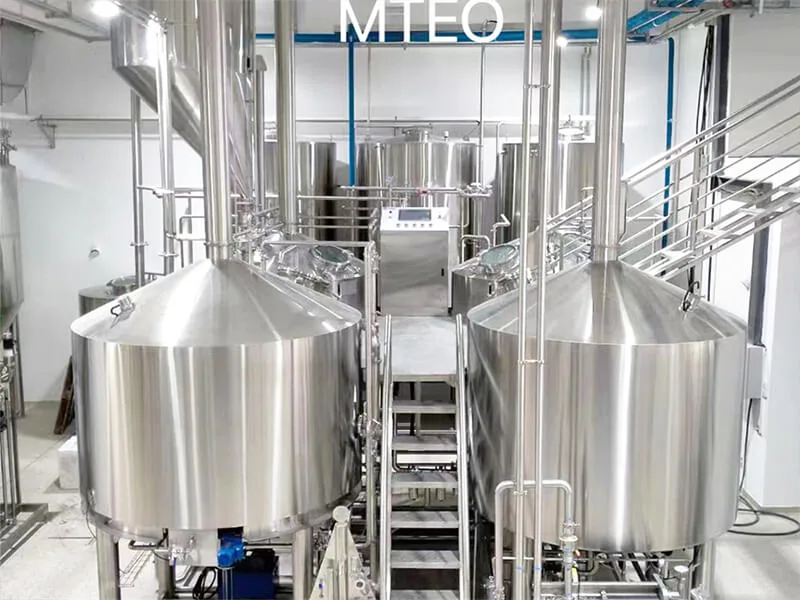
2500L Brewhouse with Fermenters System: Complete Commercial Craft Brewery Solution

brewey 2500l 4

Introduction: The Sweet Spot of Craft Brewing Growth

Every successful craft brewery eventually reaches a turning point. Demand increases, distribution expands, and the production capacity that once seemed sufficient begins to limit growth. For many regional breweries, the challenge is finding a system large enough to support commercial-scale production without losing the flexibility that defines craft brewing.

A 2500L brewhouse, equivalent to approximately 21 BBL, sits at this critical intersection. It bridges the gap between small brewpub operations and large industrial breweries, providing the capacity required for regional distribution while maintaining the agility needed for recipe innovation.

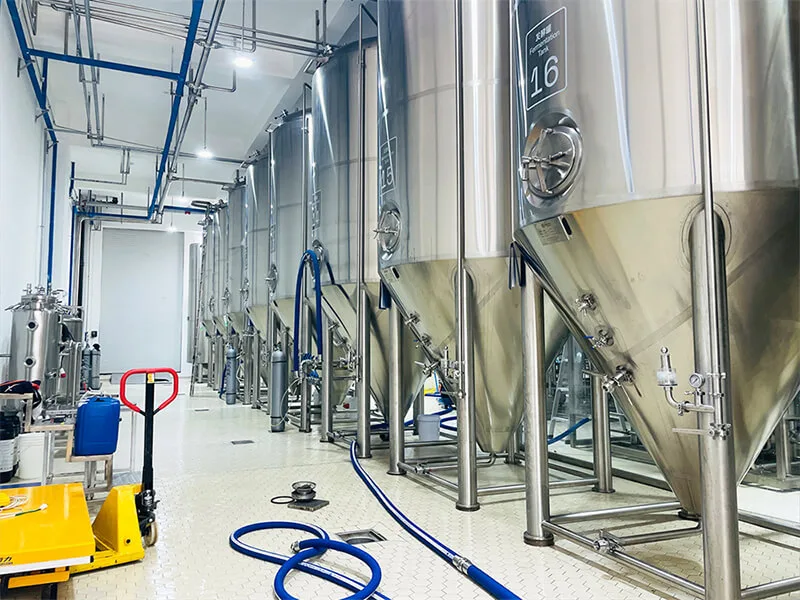
What makes this brewery configuration particularly attractive is its fermentation strategy. Instead of relying on a uniform tank size, the system combines 8 × 5000L fermenters with 20 × 10000L fermenters. This asymmetric approach creates an ideal balance between experimentation and large-scale production, allowing breweries to maximize profitability while maintaining a diverse product portfolio.

The result is a brewery capable of producing flagship beers at commercial volumes while simultaneously developing seasonal releases, specialty products, and limited-edition batches.

The Brewhouse: Engineering Precision for Maximum Throughput

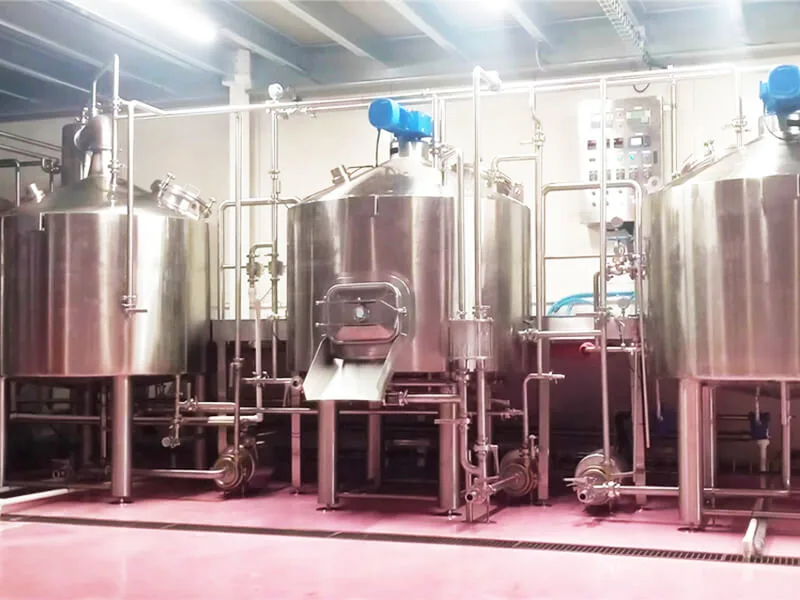
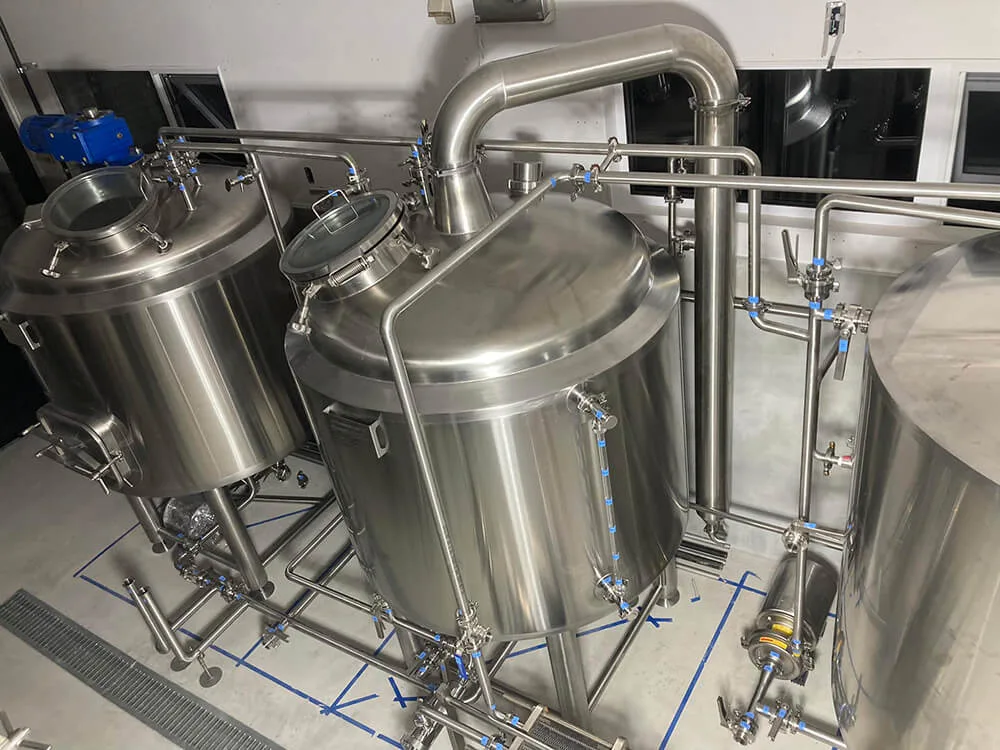
The brewhouse is designed around a dedicated multi-vessel architecture that enables continuous production and minimizes operational bottlenecks.

Brewhouse Equipment Configuration

The brewhouse package includes:

  • 1 × 2500L Mash Tun
  • 1 × 2500L Lauter Tun
  • 1 × 2500L Buffer Tank
  • 1 × 2500L Kettle
  • 1 × 2500L Whirlpool
  • 1 × 6000L Hot Liquor Tank
  • 1 × 20㎡ Plate Heat Exchanger
  • 1 × 7.6㎡ Tubular Heat Exchanger

Unlike compact systems that combine multiple brewing functions into fewer vessels, this dedicated design allows each process to operate independently. Mashing, lautering, boiling, and whirlpool separation can proceed without interruption, significantly improving brewhouse utilization.

Why the Buffer Tank Matters

Many brewers underestimate the importance of a buffer tank. In reality, it can be one of the most valuable productivity enhancements in a commercial brewery.

The 2500L buffer tank temporarily stores wort after lautering and before boiling. Without a buffer vessel, lautering must often pause while the kettle completes its boil cycle. This creates downtime and limits daily brewing capacity.

With a dedicated buffer tank, lautering can continue uninterrupted while the kettle processes the previous batch. This separation increases workflow efficiency and allows breweries to produce more batches per day.

In many production scenarios, the addition of a buffer tank can increase daily brewhouse output from four brews to five brews without increasing vessel size or labor requirements.

The buffer tank is particularly valuable for high-gravity brewing, where filtration rates and wort transfer schedules require additional flexibility.

Thermal Dynamics: Efficient Cooling for Better Beer

Temperature management plays a critical role in beer quality, yeast health, and operating costs.

This system incorporates a carefully engineered thermal design consisting of:

  • 1 × 6000L Hot Liquor Tank
  • 1 × 20㎡ Plate Heat Exchanger
  • 1 × 7.6㎡ Tubular Heat Exchanger

Dual Heat Exchanger Strategy

Rather than relying on a single cooling stage, the brewery utilizes two complementary heat exchange technologies.

The 20㎡ plate heat exchanger performs rapid primary cooling, reducing wort temperature from boiling conditions to near fermentation temperature with exceptional efficiency.

The 7.6㎡ tubular heat exchanger performs secondary cooling and deep chilling when required. This design reduces glycol demand, lowers refrigeration loads, and improves overall energy efficiency.

The combination of plate and tubular heat exchangers provides greater cooling flexibility than conventional single-stage systems, particularly in warm climates or during high-volume production periods.

Malt Handling System

Efficient grain processing is essential for brewhouse performance and extraction efficiency.

The malt handling package includes:

  • 1 × Malt Mill with a capacity of 1500 kg/h
  • 1 × Stainless Steel Grain Conveyor
  • 1 × 2000L Grist Case

The high-capacity malt mill ensures consistent grist quality while supporting multiple brews per day. The stainless steel conveyor reduces manual handling and improves workplace efficiency.

The 2000L grist case provides temporary storage for milled malt, allowing brewers to prepare upcoming batches while maintaining a smooth production workflow.

Fermentation and Storage: The True Profit Center

While brewhouses often attract the most attention, fermentation capacity ultimately determines how much beer a brewery can sell.

Fermentation Equipment Configuration

The fermentation cellar includes:

5000L Fermenters

  • Quantity: 8 units
  • Effective volume: 5000L each
  • Equipped with dimple jacket cooling technology

10000L Fermenters

  • Quantity: 20 units
  • Effective volume: 10000L each
  • Equipped with high-efficiency dimple jacket cooling systems

Combined fermentation capacity exceeds 240,000 liters, providing exceptional production flexibility and inventory management capability.

The Asymmetric Tank Strategy

A common question among brewery investors is why this system uses both 5000L and 10000L fermenters instead of standardizing tank sizes.

The answer lies in balancing innovation and efficiency.

The eight 5000L fermenters are ideally suited for:

  • Seasonal fruit beers
  • Imperial styles
  • Barrel-aged projects
  • Experimental hop programs
  • Limited-edition releases
  • Market testing of new recipes

Because these beers often have unpredictable demand, smaller vessels reduce inventory risk and improve production flexibility.

The twenty 10000L fermenters are dedicated to core brands such as:

  • IPA
  • Lager
  • Pale Ale
  • Wheat Beer
  • Distribution-focused flagship products

These larger vessels maximize production efficiency while ensuring consistent supply to distributors, retailers, and taprooms.

This combination creates a fermentation strategy that supports both creativity and profitability.

Advantages of Dimple Jacket Cooling

All fermenters utilize dimple jacket cooling technology.

Compared with conventional jacket designs, dimple jackets provide:

  • Higher heat transfer efficiency
  • Faster cooling rates
  • Improved structural strength
  • Lower glycol consumption
  • Better temperature uniformity

For high-gravity fermentations and heavily hopped beers that generate significant heat during fermentation, efficient cooling becomes essential for maintaining product quality and yeast performance.

Refrigeration System: The Hidden Foundation of Brewery Reliability

A brewery’s cooling system directly affects fermentation quality and operational stability.

The refrigeration package includes:

  • 2 × 40HP Glycol Chillers
  • 1 × 15000L Ice Water Tank
  • 1 × 7500L Cold Water Tank

Dual 40HP Redundancy Design

The use of two independent 40HP refrigeration units provides significant operational advantages.

Breweries can operate the chillers in standby mode, with one unit running and the second available as backup. This protects production during maintenance, equipment failures, or unexpected operational issues.

Alternatively, both units can operate in staged mode during periods of high cooling demand, reducing compressor stress and improving energy efficiency.

For breweries located in tropical regions or areas with unstable utility infrastructure, redundancy is often a critical component of risk management.

brewey 2500l 3

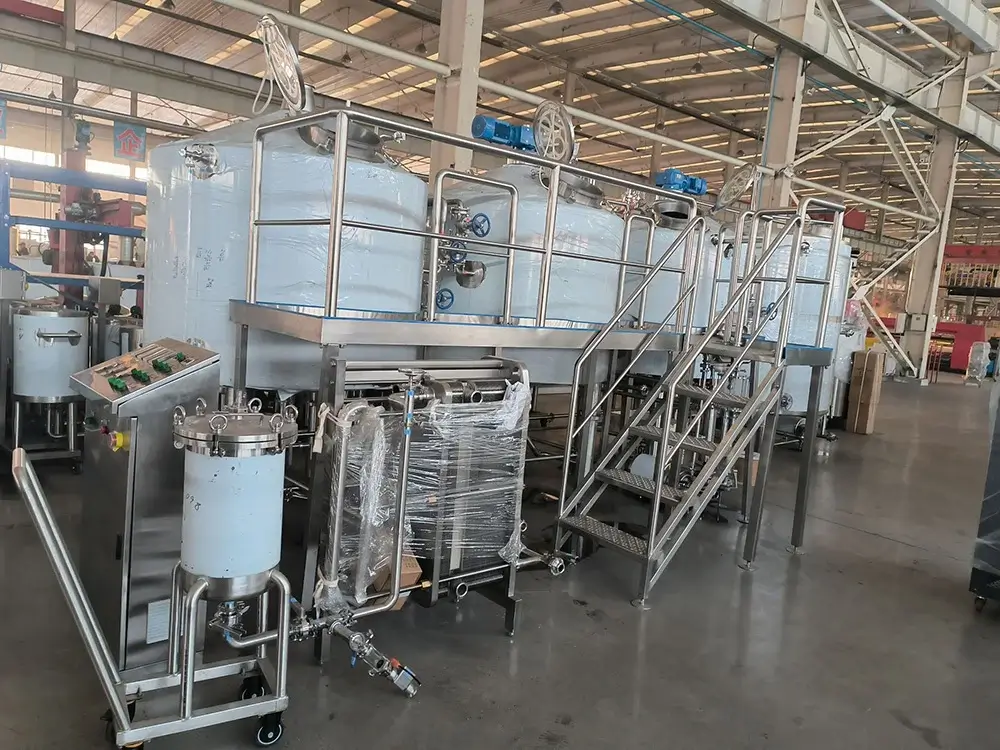
CIP Cleaning System: Protecting Product Quality

Consistent sanitation is one of the most important requirements for commercial brewing.

The CIP system includes:

  • 1 × 2000L Caustic Tank with Steam Heating
  • 1 × 2000L Sanitizing Tank
  • 1 × 2000L Hot Water Tank

The steam-heated caustic tank enables effective removal of protein deposits, hop residues, and organic contamination from tanks and process lines.

Special reverse-flow cleaning procedures can be applied to the 20㎡ plate heat exchanger, ensuring thorough cleaning of one of the most contamination-sensitive components in the brewery.

Effective CIP practices reduce microbiological risks, improve beer stability, and extend equipment lifespan.

Yeast Propagation System: The Microbiological Foundation

As breweries scale production, yeast management becomes increasingly important.

The propagation package includes:

  • 1 × 500L Yeast Propagation Tank
  • 1 × 200L Dedicated CIP Tank

This system enables step-by-step yeast expansion under sanitary conditions, ensuring healthy cell populations for large-scale fermentation.

Maintaining yeast purity is particularly important when operating twenty 10000L fermenters. A contamination event affecting a single propagation cycle can potentially impact hundreds of thousands of liters of beer.

For this reason, the propagation system incorporates hygienic design principles that minimize dead zones and facilitate complete cleaning and sterilization.

Automation and Control: Siemens S7-200 Smart Platform

Modern breweries require precise process control, repeatability, and production traceability.

This brewery utilizes a Siemens-based automation platform consisting of:

  • 1 × Brewhouse Control Cabinet
  • 1 × Fermentation Control Cabinet
  • Siemens S7-200 Smart PLC
  • MCGS Touchscreen HMI

Brewhouse Automation

The brewhouse control system manages:

  • Pump operation
  • Agitator control
  • Temperature regulation
  • Process sequencing
  • Brewing cycle management

Automation improves consistency while reducing operator workload.

Fermentation Automation

The fermentation control system provides:

  • Automatic tank temperature control
  • Glycol system integration
  • Alarm monitoring
  • Manual and automatic operation modes
  • Historical data storage

Local Parameter Modification

One of the greatest advantages of the Siemens S7-200 Smart platform is its flexibility.

Breweries can perform local parameter adjustments without redesigning the control architecture. Functions such as PID auto-tuning allow operators to optimize process performance according to local conditions and production requirements.

This flexibility is particularly valuable for international breweries that wish to customize operating parameters after installation.

Data Recording and Regulatory Compliance

Many food safety certifications require production records and traceability.

The system automatically records fermentation temperature histories and process data, supporting compliance with:

  • FDA requirements
  • HACCP programs
  • European food safety standards
  • Internal quality assurance procedures

Electrical Options

The control system is available in:

  • 380V / 50Hz
  • 220V / 60Hz
  • Customized voltage and frequency configurations

This flexibility simplifies deployment across North America, South America, Europe, Southeast Asia, and Australia.

Water Treatment System

Water quality directly influences mash efficiency, fermentation performance, and final beer flavor.

The package includes:

  • 1 × 7500L Purified Water Storage Tank

Because water chemistry varies significantly between locations, water treatment equipment is typically customized based on local water analysis and brewery production goals.

This approach ensures optimal brewing water quality while avoiding unnecessary investment in oversized treatment systems.

Client-Supplied Equipment: Important Recommendations

蒸気ボイラー

The recommended steam supply includes:

  • 1 × 500 kg/h Steam Boiler

To maximize efficiency and equipment lifespan, breweries should consider:

  • Dry steam filtration
  • Condensate recovery systems
  • Stable steam pressure regulation

Recovering condensate can significantly reduce water and energy consumption while supporting the hot liquor system.

Compressed Air System

The recommended compressed air package includes:

  • Oil-free air compressor
  • Refrigerated air dryer
  • Sterile air filtration system
  • Air receiver tank

Food-grade compressed air is essential for wort aeration, pneumatic valve operation, and sanitary process applications.

Investing in high-quality compressed air infrastructure reduces contamination risks and improves long-term brewery reliability.

Conclusion: A Brewery Built for Sustainable Growth

A 2500L brewhouse paired with 8 × 5000L fermenters and 20 × 10000L fermenters represents one of the most effective configurations for regional craft brewery expansion.

The system combines:

  • High production capacity
  • Flexible fermentation scheduling
  • Advanced Siemens automation
  • Energy-efficient cooling
  • Professional yeast management
  • Comprehensive CIP sanitation
  • International electrical compatibility

More importantly, it provides a scalable platform that allows breweries to grow without sacrificing the creativity and quality that define craft beer.

In addition to equipment manufacturing, we provide complete project support, including 3D brewery layout design, utility planning, PID control logic assistance, installation guidance, and commissioning support.

Whether you are expanding an existing brewpub or building a new commercial production facility, this brewery configuration delivers the reliability, flexibility, and efficiency required for long-term success in today’s competitive craft beer market.

Contact our engineering team today to discuss a customized turnkey brewing solution, facility layout design, and equipment configuration tailored to your production goals.

上部へスクロール

お見積もり

連絡先