In craft brewing, there is a widely accepted truth among experienced brewers:
Brewhouse efficiency starts with milling — and beer flavor is shaped there as well.
That is why professional craft breweries consistently emphasize dry milling, and why so much attention is paid to the design, material, and roller configuration of malt mills.
Behind every stable mash, clean lautering process, and well-defined beer profile, there is often one critical piece of equipment working quietly in the background:
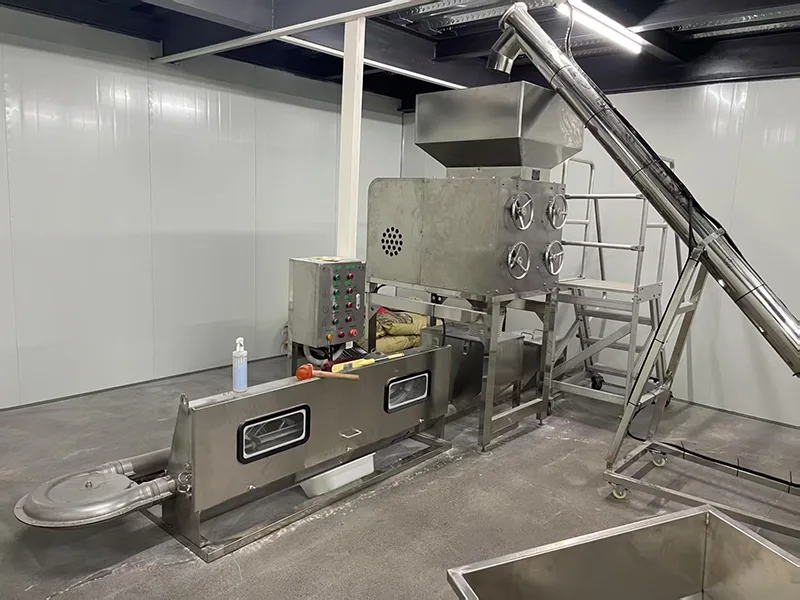
the stainless steel multi-roller malt mill.
What Is Dry Milling — and Why Do Craft Breweries Choose It?
Dry milling refers to crushing malt without pre-wetting or conditioning the grain. The malt is fed directly into the roller mill, where it is cracked and crushed purely through mechanical pressure.
Compared with wet or semi-wet milling, dry milling offers several advantages that are especially important for craft breweries:
- Precise and repeatable particle size control
- Better preservation of husk structure
- Compatibility with multi-roller separation systems
- Cleaner flavor expression and easier process control
For breweries focused on consistency, flexibility, and long-term operational stability, dry milling remains the most practical and proven solution.
The Core Goal of Craft Malt Milling: “Cracked, Not Pulverized”
Regardless of mill size or roller count, the fundamental goal of malt milling never changes:
Crack the husk open, but keep it as intact as possible — while fully exposing the endosperm.
Why this matters:
- Intact husks form a natural filter bed during lautering
- Balanced grist composition improves mash efficiency
- Excessive flour increases lautering risk and astringency
Achieving this balance depends entirely on the roller structure, gap accuracy, and mechanical stability of the mill.
Two-Roller Malt Mills: The Foundation of Dry Milling
For many small and mid-size craft breweries, the two-roller malt mill is the entry point into professional dry milling.
Come funziona
- Two rollers rotate in opposite directions
- Malt is drawn into the adjustable roller gap
- The grain is crushed through controlled compression
Key Advantages
- Excellent husk preservation
- Simple structure and easy adjustment
- Reliable performance for most classic beer styles
When properly set, a two-roller mill can consistently achieve the ideal “crack without shredding” result that craft brewers aim for.
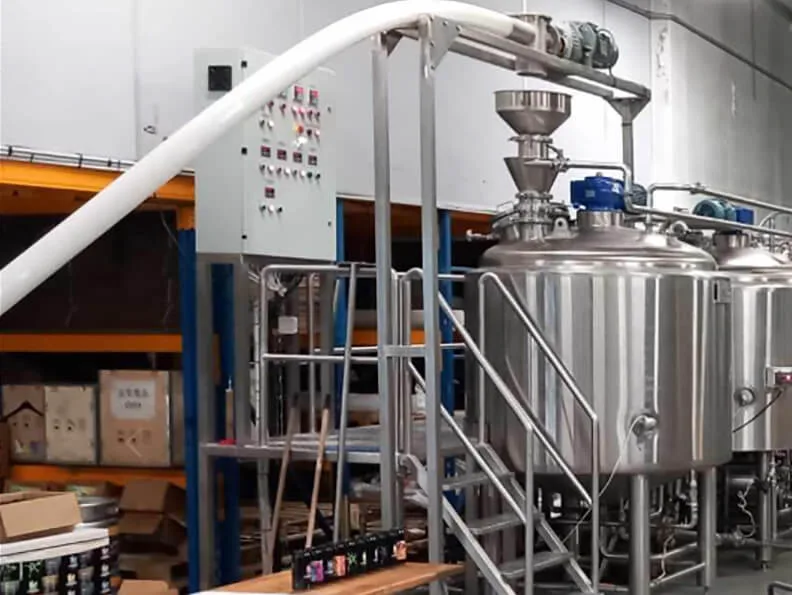
When Breweries Demand More: Multi-Roller Malt Mills
As breweries scale up or begin pursuing:
- Maggiore efficienza di estrazione
- Greater consistency across recipes
- More complex and layered flavor profiles
Four-roller, five-roller, and six-roller mills become the preferred solution.
Importantly, multi-roller mills are not designed to “grind finer,” but to separate better.
How Multi-Roller Mills Improve Milling Results
Multi-roller systems use a progressive milling and classification approach:
- First roller stage gently opens the husk
- Intermediate rollers further process the endosperm
- Final rollers refine particle size distribution
This staged process allows for:
- Clear separation of husks, coarse grits, and fine flour
- Optimized mash conversion efficiency
- Improved lautering speed and stability
The result is a grist composition that is highly efficient, predictable, and brewer-friendly.
How Milling Directly Impacts Beer Flavor
Breweries upgrading from basic mills to multi-roller systems often report noticeable improvements:
- Cleaner mouthfeel
- Reduced astringency
- More defined malt character
- Greater fermentation stability
This happens because optimized milling:
- Limits excessive polyphenol extraction
- Improves sugar availability without over-pulverization
- Creates a cleaner wort environment for yeast
In many ways, the flavor direction of a beer is already set before mashing even begins.
Why Stainless Steel Multi-Roller Mills Are the Industry Standard
Professional craft breweries overwhelmingly choose stainless steel multi-roller mills because they offer:
- Food-grade hygiene and corrosion resistance
- Long-term mechanical stability
- Precise and repeatable roller gap control
- Compatibility with continuous and high-capacity production
For breweries planning sustainable growth, this type of mill is a long-term investment rather than a short-term upgrade.
Conclusion: Milling Is Not a Preparation Step — It’s a Flavor Decision
In craft brewing, milling is often underestimated. But in reality:
The quality, efficiency, and flavor of beer are shaped the moment malt enters the mill.
Choosing the right dry milling approach — and the right roller configuration — is not just about extract yield.
It is about building a stable foundation for flavor, consistency, and scalability.
If you are planning a new brewery or upgrading your brewhouse,
the milling system deserves careful attention from the very beginning.