Kombucha fermentation quality depends heavily on tank functionality and system stability. A well-designed fermenter ensures a controlled microbial environment, leading to consistent flavor and reduced contamination risks. In contrast, unresolved equipment issues can cause batch failure and shorten equipment lifespan.
This guide outlines practical fermenter features for home and small commercial use, along with actionable troubleshooting methods.
Key Kombucha Fermenter Features by Application
Kombucha fermentation requires four core conditions: precise temperature control, sterile environment, proper aeration, and ease of operation.
Core Features (All Scenarios)
Precise Temperature Control
The ideal fermentation range is 21–25°C (70–77°F):
- Too high → over-fermentation, excessive acidity
- Too low → slow SCOBY activity
Recommended configuration:
- ±0.5°C accuracy
- Built-in temperature sensor
- Jacketed heating/cooling system
- Temperature alarm
Sterile Sealing & Controlled Aeration
Kombucha fermentation requires:
- Contamination prevention
- Oxygen intake
- CO₂ release
Recommended:
- Food-grade sealing materials
- Airtight lid
- 0.22 μm sterile filter
- Pressure/air release valve
Food-Grade Materials & Easy Cleaning
Material options:
- Commercial: 304 / 316L stainless steel
- Home: Borosilicate glass
Design features:
- Polished inner surface
- Drain outlet
- CIP spray system (commercial)
Advanced Features for Home Use
Fermentation Timer
- Standard cycle: 7–10 days
- Prevents over/under fermentation
- Optional batch recording
Gentle Mixing System
- Low-speed stirring
- Ensures uniform fermentation
- Protects SCOBY structure
Odor Control
- Activated carbon filter
- Ideal for indoor environments
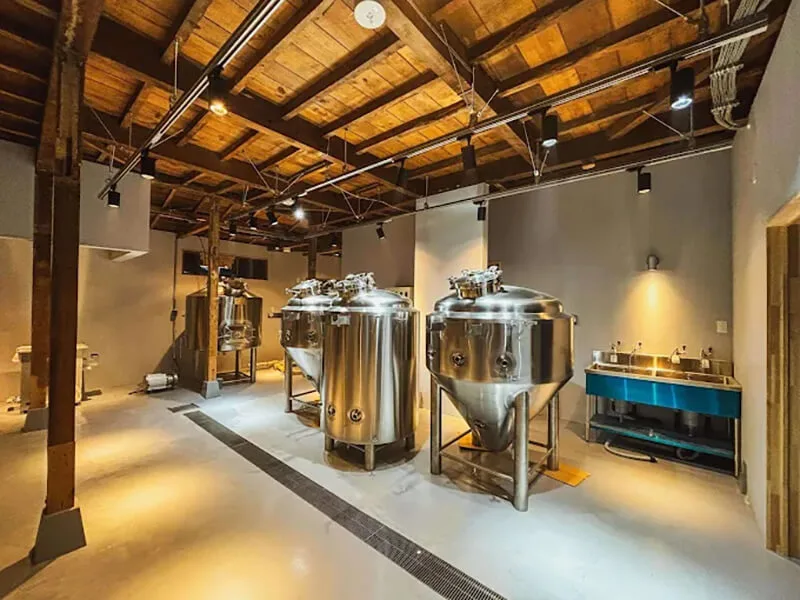
Advanced Features for Small Commercial Use
Automated Control System (PLC)
- Pre-set parameters (temperature, time, aeration)
- Real-time monitoring:
- pH
- Dissolved oxygen
Scalable Tank Design
- Recommended volume: 10–50L
- Expandable ports
- Conical bottom
- Bottom discharge valve
SIP (Sterilization-In-Place)
- Steam sterilization without disassembly
- Typical temp: 121°C
- Reduces contamination risk
Common Kombucha Equipment Issues & Solutions
Temperature Control Issues
Problema
- Too high (>28°C)
- Too low (<20°C)
Soluzioni
- Check heating/cooling system
- Calibrate sensors
- Adjust substrate concentration
- Improve insulation
Pressure Abnormalities
High Pressure
Cause:
- Blocked valve
- Excess CO₂
Solution:
- Clean/replace valve
- Reduce aeration
Low Pressure / Leakage
Cause:
- Worn seals
- Loose fittings
Solution:
- Replace seals
- Tighten connections
Mixing System Failure
Problema
- No rotation / unstable speed
- Abnormal noise
Soluzioni
- Check motor and voltage
- Inspect belts and connections
- Remove debris
- Replace bearings
Contamination (Critical)
Signs
- Mold
- Off-odor
- Discolored SCOBY
Soluzioni
- Stop fermentation immediately
- Fully sterilize system
- Improve raw material handling
- Follow aseptic procedures
pH Imbalance
Ideal Range
pH 3.5–4.5
High pH
- Adjust formulation
- Add food-grade acid
Low pH
- Add mild alkaline solution
- Increase aeration
Preventive Maintenance Tips
- Clean tank and pipelines after each batch
- Use citric acid for descaling
- Calibrate sensors monthly
- Inspect seals and mechanical parts every 3–6 months
- Monitor system during fermentation
- Store equipment dry and sanitized
Conclusione
Selecting a fermenter with accurate temperature control, proper sealing, and sterile design is essential for successful kombucha production.
Equally important is routine maintenance and timely troubleshooting, which ensures:
- Consistent flavor quality
- Higher production success rate
- Longer equipment lifespan
For both home brewers and small commercial producers, combining proper equipment + standardized operation + maintenance is the key to producing high-quality kombucha consistently.
👉 Contact us today for a custom brewhouse system design tailored to your production goals, budget, and future expansion plans.