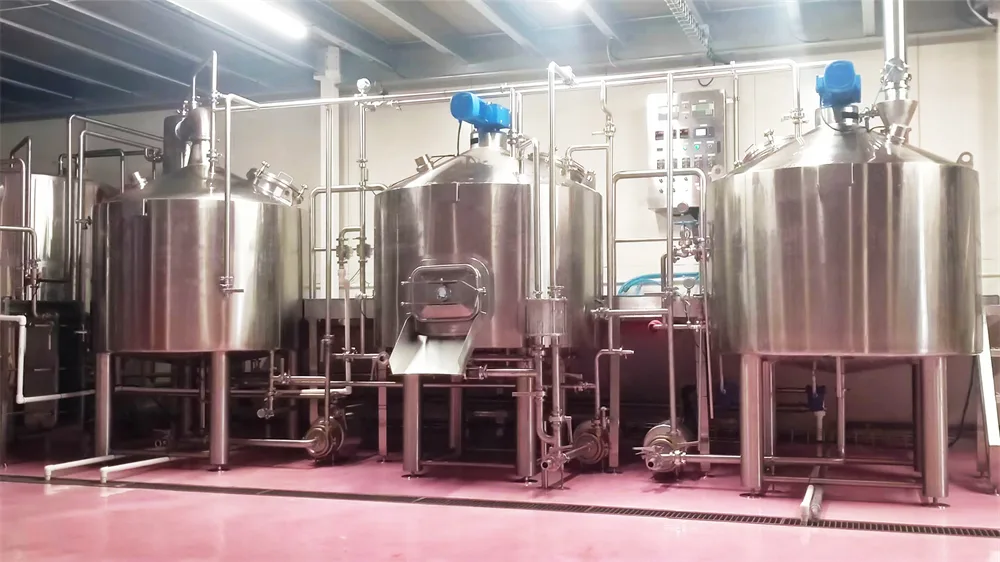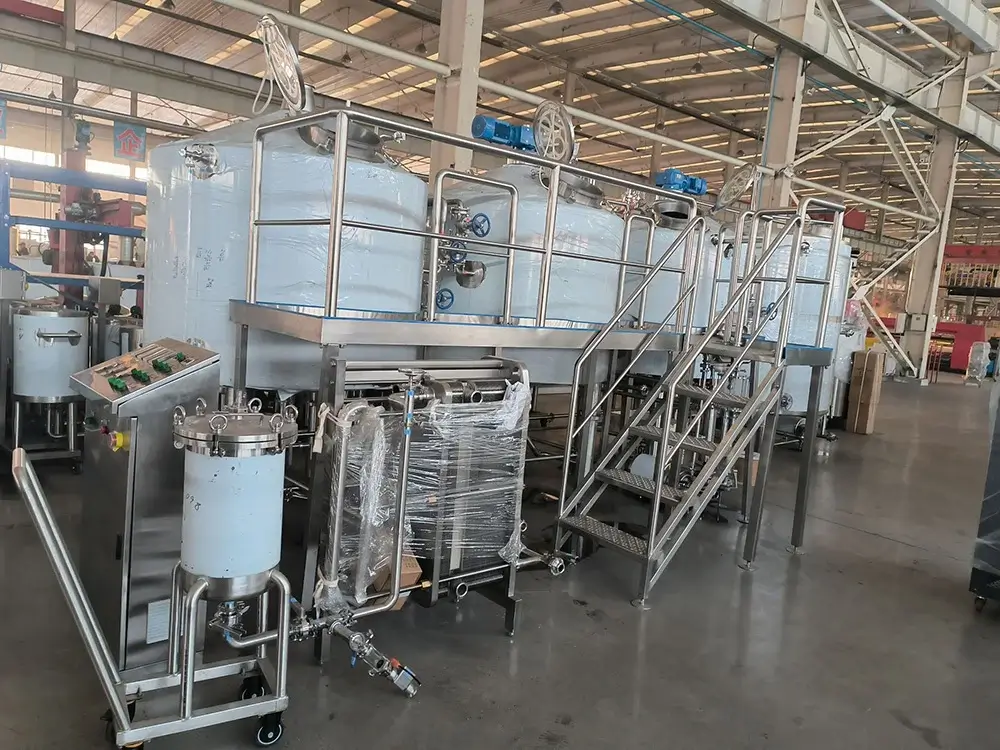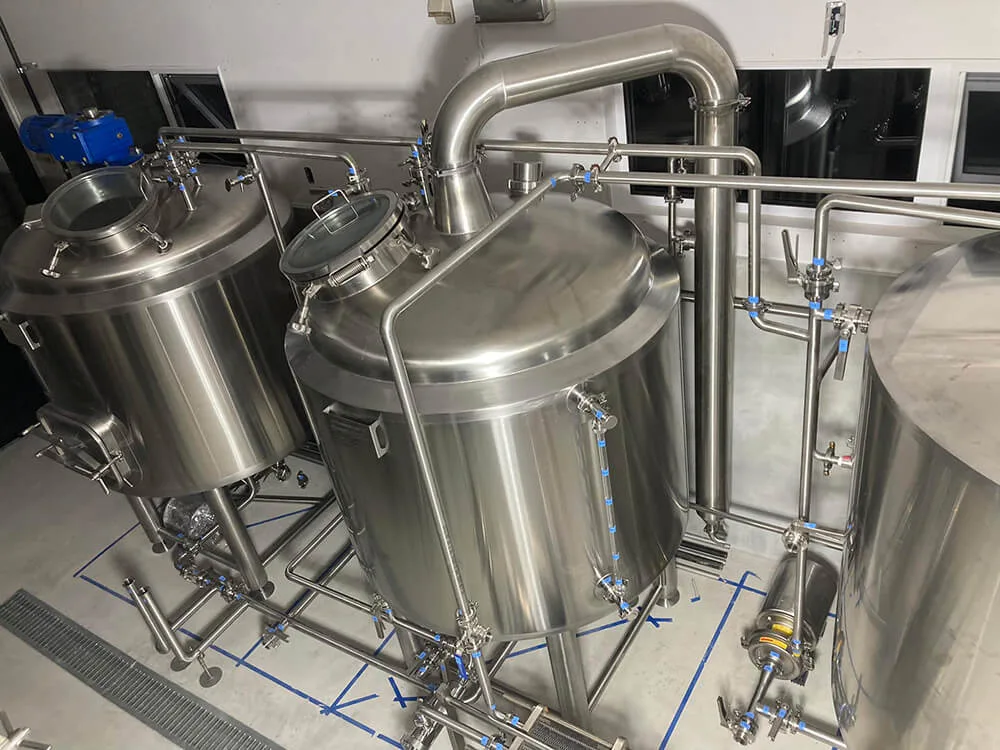

A Clean-in-Place (CIP) system is essential for any modern sanitary processing facility—whether you operate in brewing, beverage production, dairy, food, cosmetics, or pharmaceuticals. By cleaning tanks, pipelines, and process equipment without disassembly, a CIP system greatly improves efficiency, product safety, and operational consistency.
However, choosing the right type of CIP system can be challenging. System size, automation level, cleaning requirements, layout, and budget all influence the final design. This guide summarizes best practices from industry standards and leading engineering perspectives to help you select the ideal CIP solution.
1. Understand Your Cleaning Requirements
a. Product and process characteristics
Different products require different cleaning strategies. Protein- and fat-rich dairy products demand longer high-temperature cycles, while breweries must consider beerstone removal. Viscous, sticky, or allergen-sensitive products further influence detergent selection, temperature settings, and cycle design.
Before choosing a CIP system, clearly identify:
- Type of soils to remove (yeast, proteins, sugars, oils, etc.)
- Cleaning frequency and cycle time
- Microbial risks and hygiene standards
- Material compatibility with cleaning chemicals
This foundation determines tank sizes, detergent types, and heating capacity.
b. Facility layout considerations
Your plant layout plays a major role in CIP selection.
Common options include:
Centralized CIP System
A single, fixed CIP station serves multiple areas through connected loops.
Ideale per: Facilities with similar cleaning needs and equipment located relatively close together.
Distributed CIP System
Multiple CIP units are installed in different zones to support localized equipment.
Ideale per: Large facilities with diverse cleaning requirements or long distances between process areas.
Mobile or skid-mounted CIP
Portable, compact units that can be moved to different cleaning points.
Ideale per: Small- to mid-size plants, pilot facilities, or operations with flexible cleaning needs.
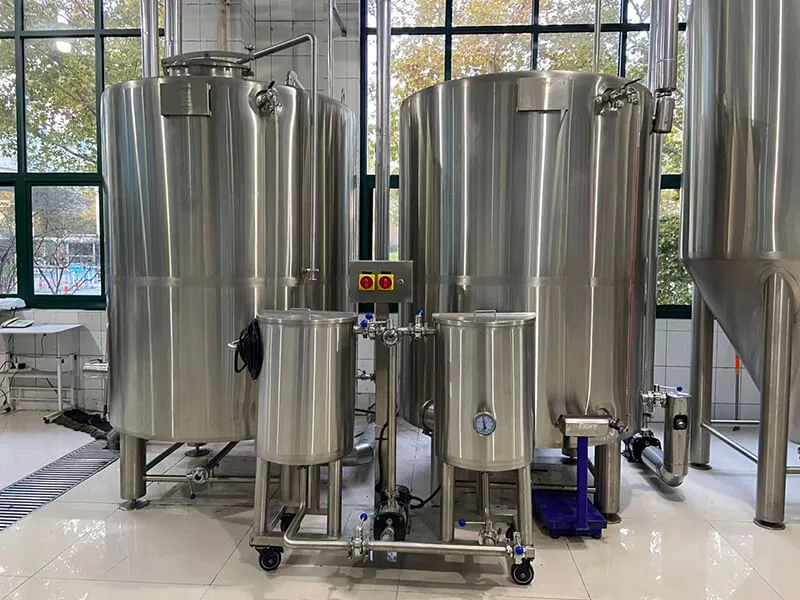
2. Match the CIP Type with Your Budget and Automation Needs
a. Basic vs. advanced CIP systems
Basic/Manual CIP
- Typically single-tank
- Manual valve adjustments
- Low initial cost
- Suitable for small facilities or low-risk cleaning tasks
However, these systems consume more water and chemicals and require more operator involvement.
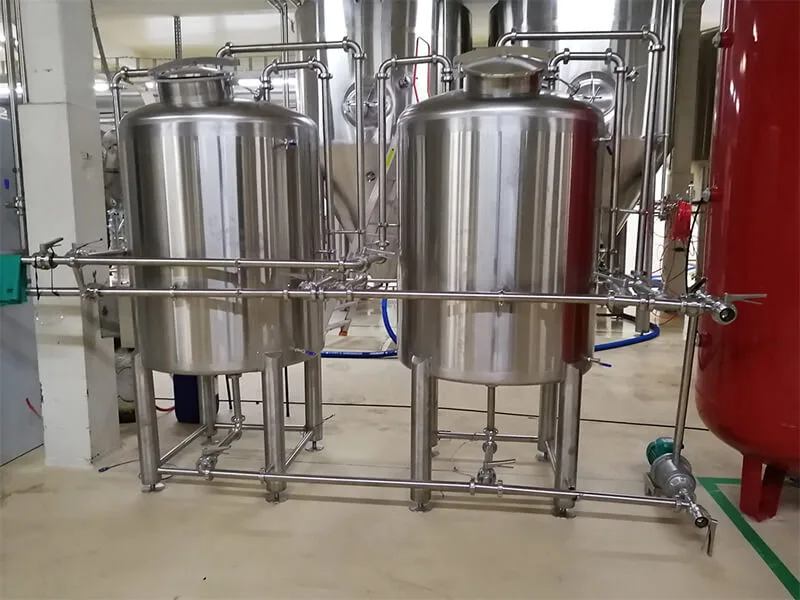
Advanced/Automated CIP
- Multi-tank design (alkali, acid, rinse, recovery tank, hot water tank)
- Automated valves and recipe control
- Data logging and real-time monitoring
- Efficient chemical and water reuse
Although more expensive upfront, advanced systems typically deliver significant long-term savings through:
- Reduced downtime
- Lower water and chemical consumption
- Consistent cleaning performance
- Improved operator safety
b. Consider long-term ROI
A well-designed CIP system often pays for itself within 12–24 months through:
- Shorter cleaning times
- Less energy and water waste
- Reduced labor
- Lower contamination risk
For growing factories, choosing a scalable CIP solution is a future-proof investment.
3. Evaluate Design, Safety, and Performance Features
a. Cleaning chemical compatibility
Select cleaning agents based on:
- Equipment material (SUS304, SUS316L, plastics, seals)
- Soil type (organic, inorganic, microbial)
- Regulatory requirements
Ensure that temperatures, detergent concentrations, and contact times are safe for both equipment and operators.
b. Spray devices and flow dynamics
An effective CIP system must eliminate dead legs and ensure proper flow velocity.
Key design considerations:
- Rotating spray balls or static spray balls
- Minimum turbulent flow rate
- Proper drainage
- Accurate temperature and flow control
c. Monitoring and documentation
For industries requiring strict compliance, a CIP system should include:
- Conductivity monitoring
- Temperature and concentration tracking
- Flow and pressure sensors
- Automated cycle recording
These features ensure repeatability and support auditing requirements.
4. Choose the Right Partner and Engineering Support
A CIP system is not a standalone component—it must be integrated into your entire production line. Work with a supplier who can:
- Analyze your product characteristics
- Evaluate your facility layout
- Provide engineering design and 3D modeling
- Customize tank size, heating options, and automation level
- Support installation, commissioning, and operator training
Good engineering support ensures that your CIP system is tailored for maximum efficiency and long-term reliability.
5. Implementation, Validation, and Optimization
After selecting a CIP system, follow these steps for successful deployment:
- Commissioning
Test multiple cycles to ensure correct flow, temperature, and cleaning coverage. - Validation
Confirm that the system meets hygiene requirements and eliminates residues and microbes. - Routine maintenance
Inspect pumps, spray devices, valves, sensors, and pipelines to maintain performance. - Continuous improvement
Use cleaning data to optimize cycle times, reduce consumption, and adjust detergent formulas.
A well-maintained CIP system will deliver consistent, efficient results for many years.
Conclusione
La scelta del sistema CIP giusto dipende dalla comprensione delle esigenze di pulizia, della struttura dell'impianto, del budget, delle aspettative di automazione e degli obiettivi a lungo termine. Valutando le opzioni CIP centralizzate, distribuite e mobili, e collaborando con un fornitore di ingegneria esperto, è possibile costruire un sistema che garantisca igiene, efficienza operativa e risparmi superiori.
Per qualsiasi domanda sulla produzione di birra, non esitate a contattateci Attrezzatura Meto.