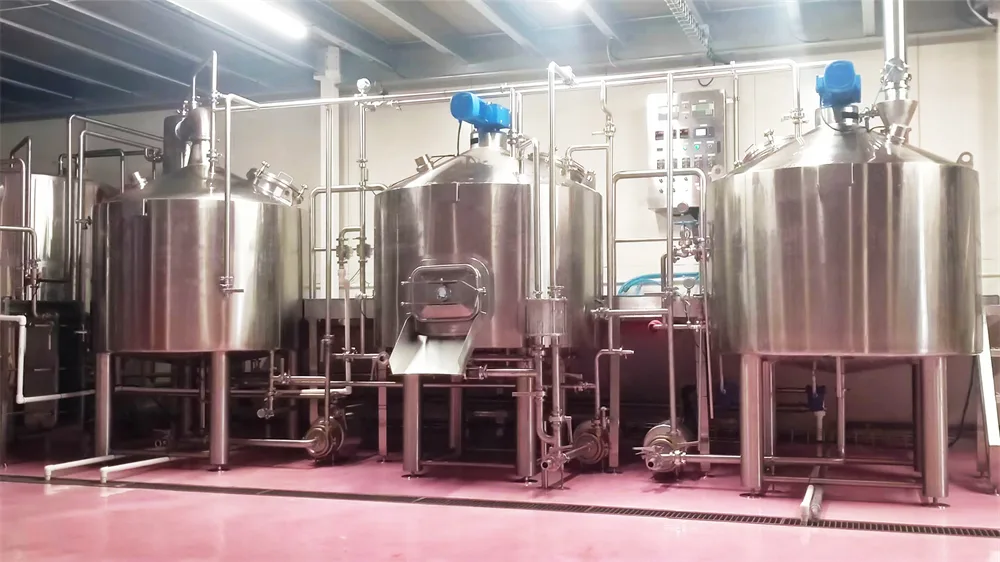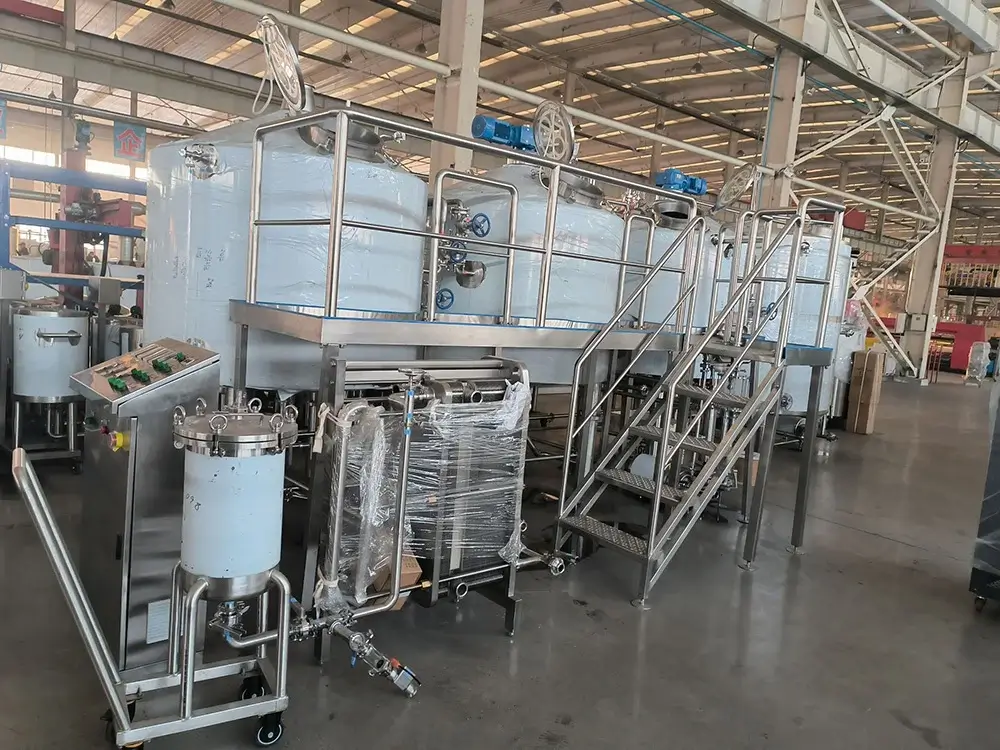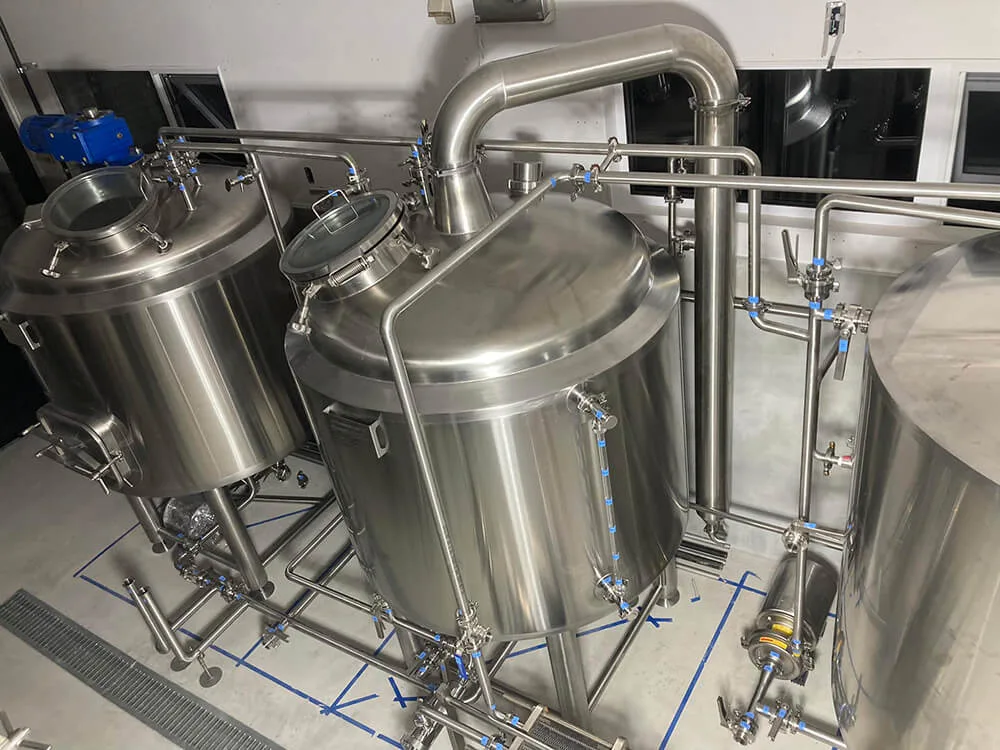
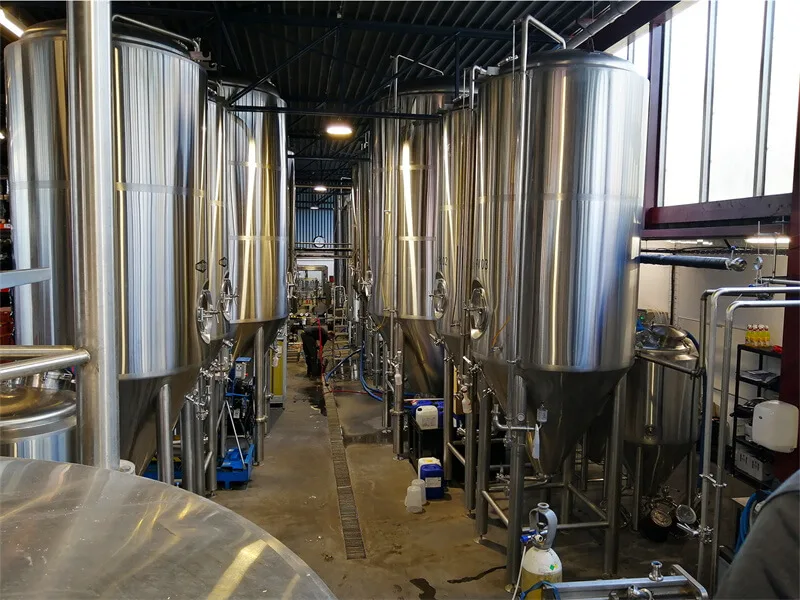
When designing a brewery, many people focus on the brewhouse—but the real production limit comes from your fermenter capacity.
Your brewhouse produces wort.
Your fermenters and overall fermentation system determine how much beer you can actually sell.
A poorly planned brewery tank layout can cause:
- Colli di bottiglia nella produzione
- Idle brewhouse time
- Lower ROI on equipment investment
That’s why every modern brewery fermentation system must be designed with precision.
The Key Principle of Fermentation System Design
To size your fermenters correctly, you need to align three core factors:
- Brewhouse output
- Fermentation cycle time
- Brewery tank turnover rate
A well-designed fermentation system ensures that your brewhouse runs continuously while your fermenters are always efficiently utilized.
Step 1: Calculate Your Daily Wort Production
Start by understanding your brewhouse capacity:
Example:
- Brewhouse size: 2000L
- Brews per day: 2
- Daily output: 4000L
This means your fermentation system must absorb 4000L of wort every day.
Step 2: Understand Fermentation Time
Your fermenter usage time depends on beer style:
- Ale: 10–14 days
- Lager: 21–30 days
- Specialty beer: 30+ days
👉 Longer fermentation = more fermenters required
👉 Shorter cycles = higher brewery tank efficiency
Step 3: Calculate Total Fermentation Volume
Now multiply:
Daily production × fermentation days
- 4000L × 14 days = 56,000L in fermentation
This means your fermentation system must handle 56,000L at any given time.
Step 4: Convert Volume into Fermenter Quantity
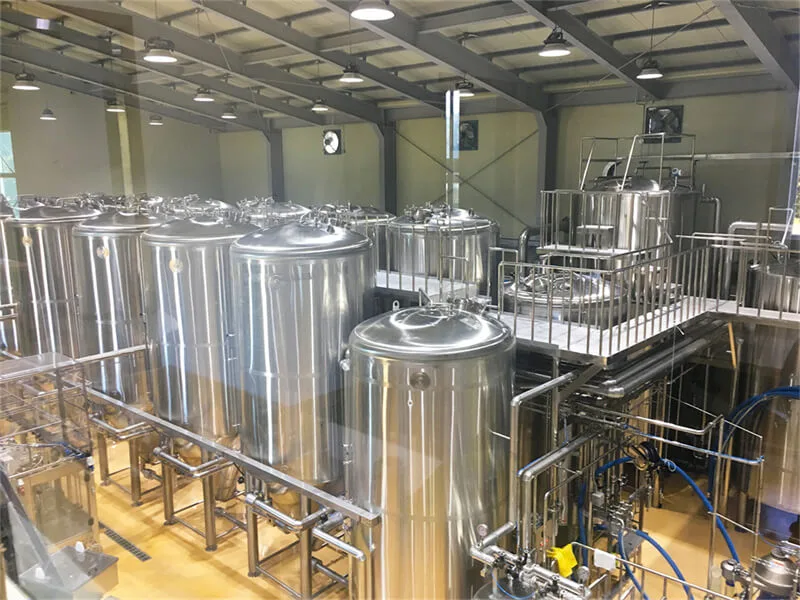
If each fermenter (brewery tank) is 2000L:
- 56,000 ÷ 2000 = 28 fermenters
At this stage, your brewery tank configuration is theoretically balanced—but not yet practical.
Step 5: Add Buffer to Your Fermentation System
Real-world breweries always need extra capacity.
Your fermentation system will face:
- CIP cleaning downtime
- Temperature control delays
- Scheduling gaps
- Market demand fluctuations
👉 Recommended: add 20–30% extra fermenters
- 28 × 1.2 = 34 fermenters
This ensures your brewery tank system operates smoothly without bottlenecks.
Step 6: Optimize Your Brewery Tank Mix
A smart fermentation system design doesn’t just focus on quantity—it also considers tank flexibility.
Best practice:
- Use uniform fermenter sizes for efficiency
- Or mix sizes for flexible production
Example:
- Core beers → large fermenters
- Seasonal beers → smaller brewery tanks
This improves your overall fermentation system utilization rate.
.webp)
Fermenter Planning by Brewery Type
Microbrewery (500L–1000L):
- 4–8 fermenters
- Flexible fermentation system
- Multiple beer styles
Commercial Craft Brewery (2000L–5000L):
- 8–20 fermenters
- Balanced brewery tank layout
- Stable production rhythm
Industrial Brewery:
- 20+ fermenters
- Highly automated fermentation system
- Maximum efficiency
Common Fermentation System Mistakes
Avoid these critical errors:
❌ Underestimating fermenter demand
❌ Designing a fermentation system without buffer
❌ Mismatching brewhouse and brewery tank capacity
❌ Ignoring long fermentation beer styles
Pro Tip: Design for Continuous Brewing
The best breweries don’t just buy fermenters—they design a continuous fermentation system.
That means:
- Brewing daily
- Keeping every fermenter active
- Eliminating downtime
👉 A well-balanced brewery tank system = higher profits + faster ROI
Conclusion: Fermenters Are the Core of Your Brewery Tank System
Your fermenters are not just tanks—they are the backbone of your entire fermentation system.
The right number of brewery tanks ensures:
- Stable production
- Efficient operations
- Scalable growth
Investing in the right fermentation system design is the key to long-term success.
Invito all'azione
Planning a new brewery or upgrading your fermentation system?
We provide customized brewery tank solutions, including:
- Fermenter sizing & quantity calculation
- Complete fermentation system design
- Turnkey brewery equipment
👉 Contattateci today to get a tailored brewery tank configuration plan.