As kombucha continues to grow rapidly in the global functional beverage market, more brands are moving from small-batch craft brewing to standardized, scalable, and industrial production.
In this transition, equipment selection and process control become critical factors that directly impact product quality, flavor consistency, production efficiency, and food safety.
This article provides a comprehensive overview of industrial kombucha brewing equipment, covering every key step—from tea leaf preparation and extraction to fermentation, post-processing, and aseptic filling—helping you build a professional and future-proof kombucha production line.
1. Tea Raw Material Pre-Treatment Equipment
1.1 Tea Leaf Washing Machine
Ensuring Clean and Safe Raw Materials
Tea leaves are the foundation of kombucha. Any dust, impurities, or surface microorganisms can negatively affect extraction efficiency and fermentation stability.
The industrial tea leaf washing machine features an innovative bubble and vortex cleaning system. An air pump generates bubbles that create rolling water movement, simulating natural rinsing to effectively remove dust, impurities, and microorganisms from the tea surface.
I vantaggi principali includono:
- Bubble washing combined with spray rinsing to prevent secondary contamination
- Water-saving design with flexible water replacement based on production scale
- Variable-speed conveyor belt for automatic feeding and discharge
- Adjustable washing rhythm to match different tea varieties and capacities
This equipment is ideal for kombucha producers focused on hygiene, sustainability, and consistent raw material quality.
1.2 Tea Grinding Machine
Improving Extraction Efficiency
To enhance the release of tea polyphenols, caffeine, and other functional compounds, tea leaves are often ground before extraction.
The tea grinding machine allows precise adjustment of grinding speed, duration, and particle size, accommodating different tea types such as black tea, green tea, or oolong tea. Uniform particle size ensures optimal contact between tea leaves and water during extraction.
Proper grinding helps to:
- Increase extraction surface area
- Reduce extraction time
- Improve batch-to-batch consistency
Laying a solid foundation for efficient industrial tea extraction.
2. Kombucha Tea Extraction Equipment
2.1 Hot Tea Extraction Tank
High-Efficiency Tea Base Production
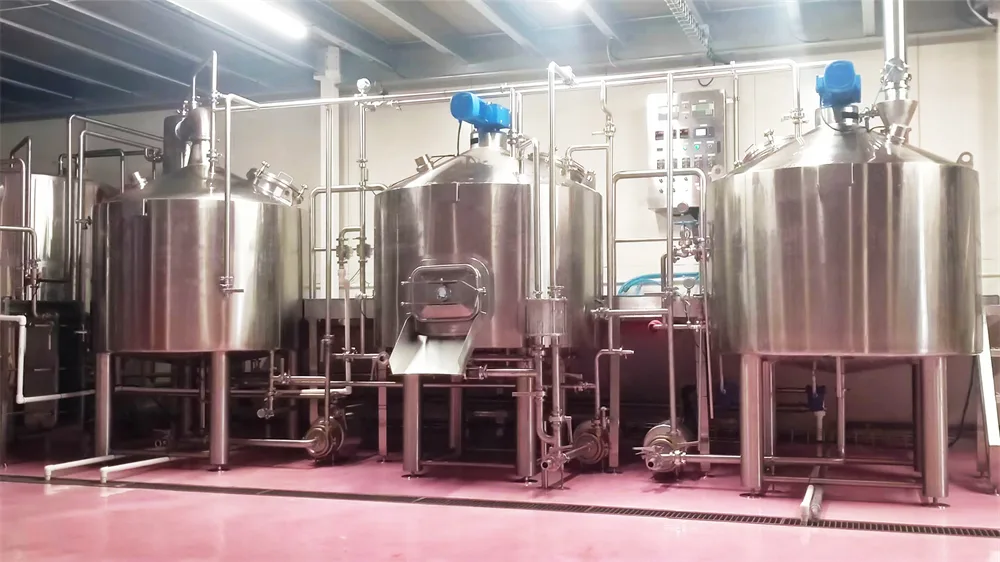
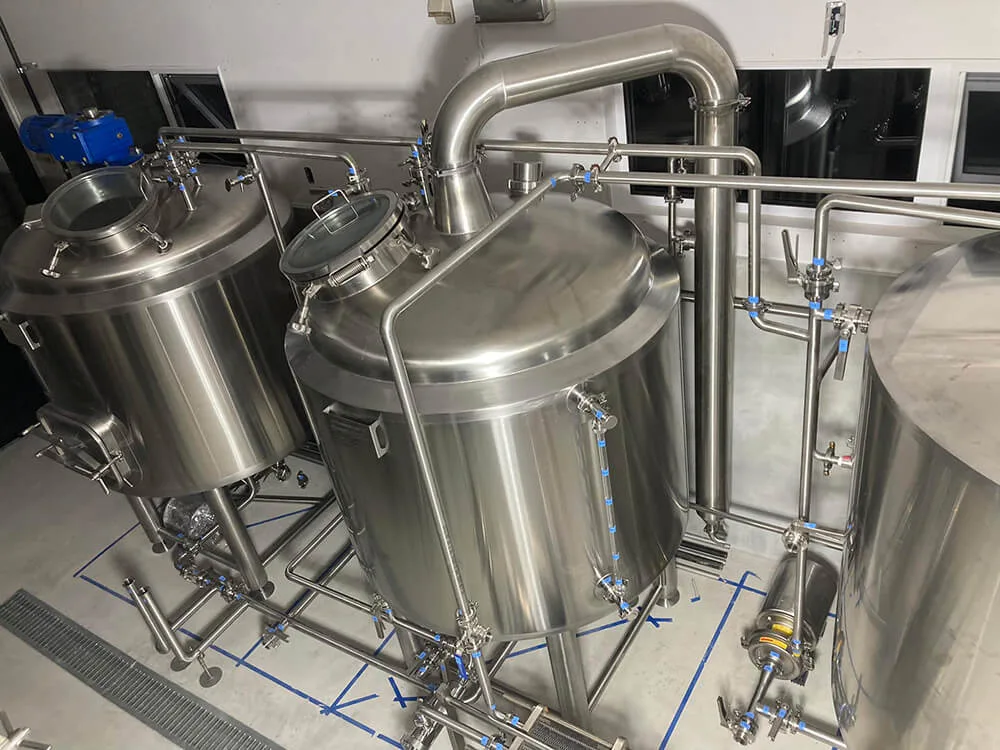
For large-scale kombucha brewing, the hot tea extraction tank is a core piece of equipment. By operating under controlled high-temperature conditions, it accelerates the dissolution of tea polyphenols, amino acids, and caffeine, enabling fast and consistent extraction.
Le caratteristiche principali includono:
- Food-grade stainless steel construction with excellent corrosion resistance
- Efficient insulation to reduce energy consumption
- Optimized internal structure for uniform mixing of tea and water
- Precision temperature control system ensuring consistent extraction results
This system is ideal for kombucha producers seeking high throughput and stable tea base quality.
2.2 Cold Tea Extraction Tank
Preserving Aroma and Reducing Bitterness
Cold extraction technology has gained popularity in premium kombucha production. Under low-temperature conditions, tea compounds are released slowly, preserving delicate aromas while minimizing bitterness.
Cold tea extraction tanks are particularly suitable for:
- Low-bitter kombucha formulations
- Fresh, clean flavor profiles
- Premium or specialty kombucha lines
This method enhances mouthfeel and highlights the natural characteristics of the tea.
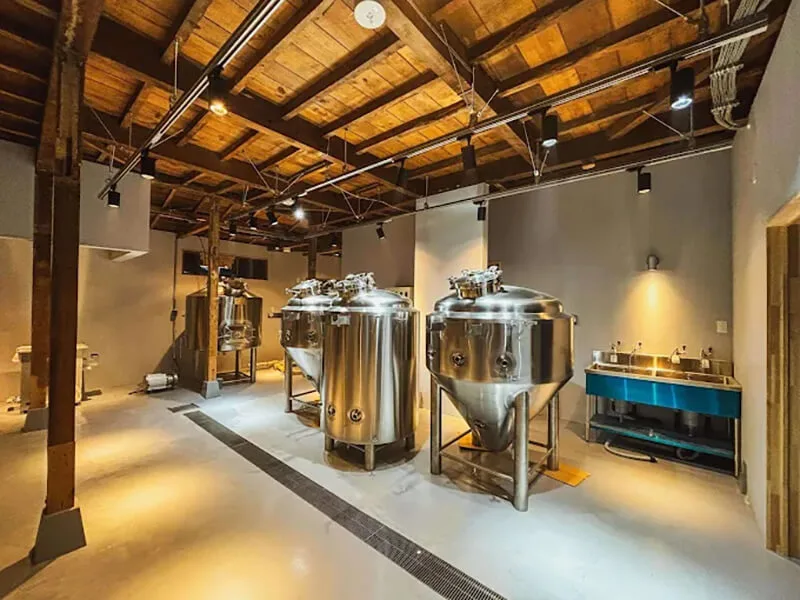
3. Kombucha Fermentation Equipment
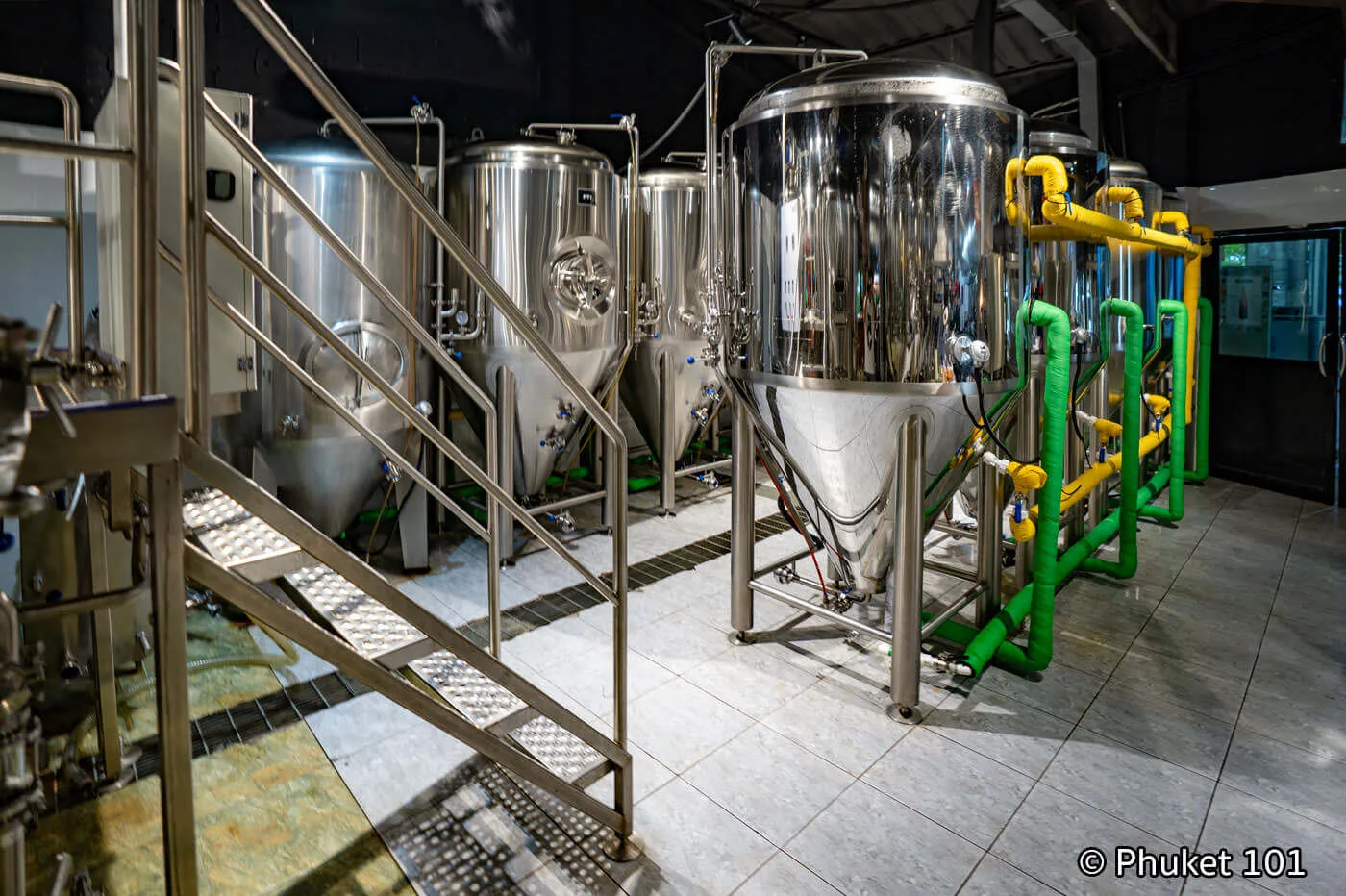
3.1 Open-Top Flat Fermentation Tank
Ideal for Primary Fermentation
During the first fermentation stage, kombucha requires oxygen-rich conditions for SCOBY development. Open-top flat fermentation tanks provide an optimal environment for this process.
Design highlights include:
- 150° conical bottom for easy sediment removal
- Jacketed walls and bottom for precise temperature control (22–28°C)
- 360° rotating CIP spray ball for thorough cleaning
- CO₂ release arm with butterfly valve to prevent pressure buildup
- Sanitary sampling valve for fermentation monitoring
- Hygienic thermometer port compatible with high-precision sensors
These features ensure stable, hygienic, and controllable primary fermentation.
3.2 Closed & Pressurized Fermentation Tank
Secondary Fermentation and Flavor Development
In the second fermentation stage and blending process, closed pressurized fermentation tanks play a critical role.
With a sealed dished head design, these tanks maintain stable internal pressure and temperature, making them ideal for:
- Carbonation control
- Flavor infusion
- Fruit juice, herbs, spices, or botanical additions
The dedicated “dry hopping” port allows easy ingredient addition, offering flexibility for creative kombucha flavor development.
4. Post-Processing and Filling Equipment
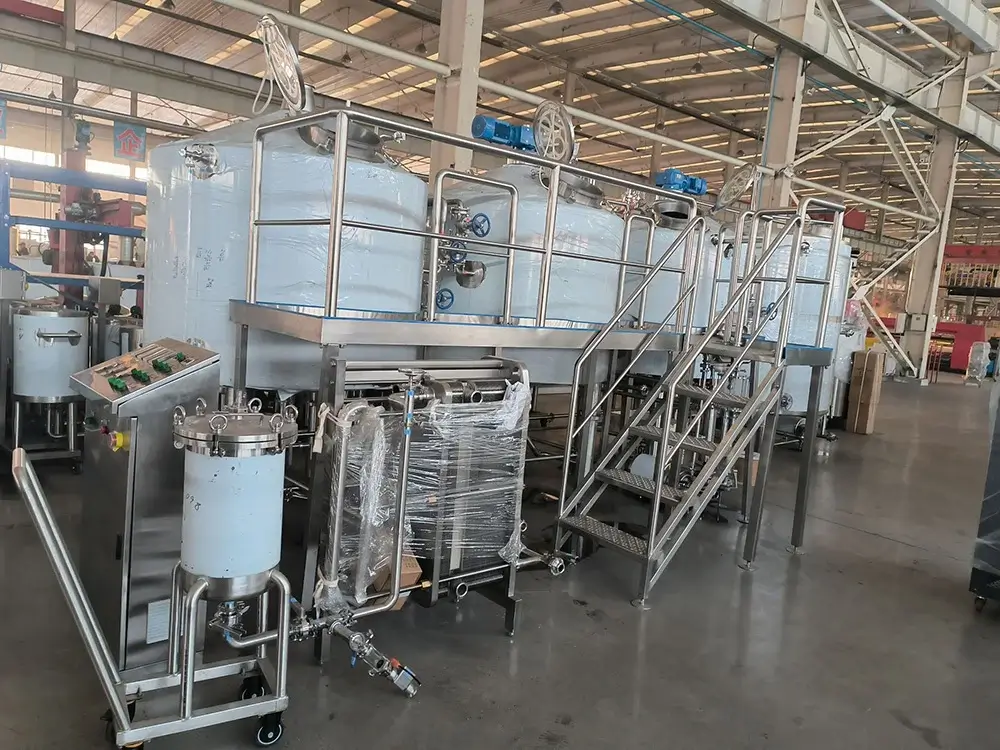
4.1 UHT Instant Sterilization System
Extending Shelf Life While Preserving Quality
The UHT (Ultra-High Temperature) system heats kombucha to high temperatures for just a few seconds, followed by rapid cooling. This process effectively eliminates harmful microorganisms while preserving flavor, color, and nutritional value.
It is suitable for:
- Pure tea-based kombucha
- Fruit-infused kombucha
- Herbal and functional kombucha beverages
Meeting market demands for long shelf life and food safety compliance.
4.2 Homogenizer
Improving Texture and Stability
When ingredients such as honey, fruit juice, or flavor extracts are added, a homogenizer ensures uniform dispersion through high pressure and shear force.
This prevents separation, improves mouthfeel, and enhances visual consistency—especially important for premium kombucha products.
4.3 Filtration System
Enhancing Clarity and Purity
High-precision filtration systems remove fine tea particles, residual yeast, and microbial solids that are invisible to the naked eye.
The result is a clear, clean kombucha beverage that meets high-quality and regulatory standards.
4.4 Aseptic Filling Machine
Final Protection of Product Quality
Aseptic filling machines operate in a sterile environment, accurately filling and sealing kombucha after sterilization and filtration.
This prevents secondary contamination and ensures long-term product stability during storage and distribution.
Conclusion: Building a Reliable Industrial Kombucha Production Line
From tea washing and extraction to fermentation, sterilization, and filling, every piece of equipment plays a vital role in the kombucha brewing process.
A well-designed and properly matched system not only improves production efficiency but also guarantees consistent flavor and long-term brand success.
👉 If you are planning a kombucha brewery or upgrading an existing production line, feel free to contattateci. We provide complete kombucha brewing solutions, including process design, equipment manufacturing, and technical support.