La scelta della giusta dimensione del birrificio è una delle decisioni più importanti quando si costruisce o si espande un birrificio artigianale. Tra le molte opzioni disponibili, le attrezzature per birrifici da 1000 litri sono diventate una delle scelte più popolari per i birrifici artigianali commerciali di tutto il mondo.
Offre un forte equilibrio tra capacità di produzione, costi di investimento e scalabilità futura, rendendolo adatto sia alle nuove fabbriche di birra che ai marchi di birra artigianale in crescita.
In questo articolo ci concentreremo su tre domande chiave che interessano la maggior parte dei proprietari di birrifici e degli investitori:
- Per quali dimensioni di birrificio è adatto un impianto da 1000L?
- Cosa comprende un'attrezzatura completa per birreria da 1000 litri?
- L'installazione, il trasporto e l'assistenza post-vendita sono complicati?
1. Per quali dimensioni di birrificio è adatto un sistema da 1000 litri?
Un sistema di birrificazione da 1000 litri si riferisce a un fermentatore progettato per produrre 1000 litri di mosto per lotto. In termini di produzione di birra commerciale, questa dimensione si colloca nel punto critico di transizione tra i piccoli impianti pilota e i grandi fermentatori industriali.
Scala di produzione ideale
A seconda del numero di serbatoi di fermentazione e della frequenza di birrificazione, un birrificio da 1000 litri è in grado di supportare:
- 300000-500000 litri all'anno con una configurazione standard
- Fino a 800.000 litri all'anno con capacità di fermentazione ampliata e più birre al giorno
Questo lo rende ideale per:
- Birrerie artigianali urbane con taproom
- I brewpub che riforniscono la distribuzione esterna
- I marchi di birra artigianale entrano nei mercati regionali
Chi dovrebbe scegliere un birrificio da 1000 litri?
Nuovi birrifici artigianali commerciali
Per i fondatori che intendono vendere al di là della taproom, un sistema da 1000 litri offre un volume sufficiente per sostenere la vendita all'ingrosso e la distribuzione, pur mantenendo un controllo di qualità di livello artigianale.
Birrifici che passano da sistemi da 500 litri o più piccoli
Molti birrifici superano rapidamente i sistemi da 300L-500L a causa dell'inefficienza del lavoro e della produzione limitata. Una sala cottura da 1000 litri migliora significativamente la produttività senza aumentare drasticamente la complessità operativa.
Investitori alla ricerca di un rischio controllato
Da un punto di vista commerciale, i sistemi da 1000 litri offrono un investimento equilibrato: abbastanza grande da essere commercialmente redditizio, ma non sovradimensionato per le operazioni in fase iniziale.
In breve, un birrificio da 1000 litri è il più adatto per i birrifici che mirano a una crescita costante, al controllo dei costi e alla flessibilità.
2. Che cosa comprende l'allestimento completo di un birrificio da 1000 litri?
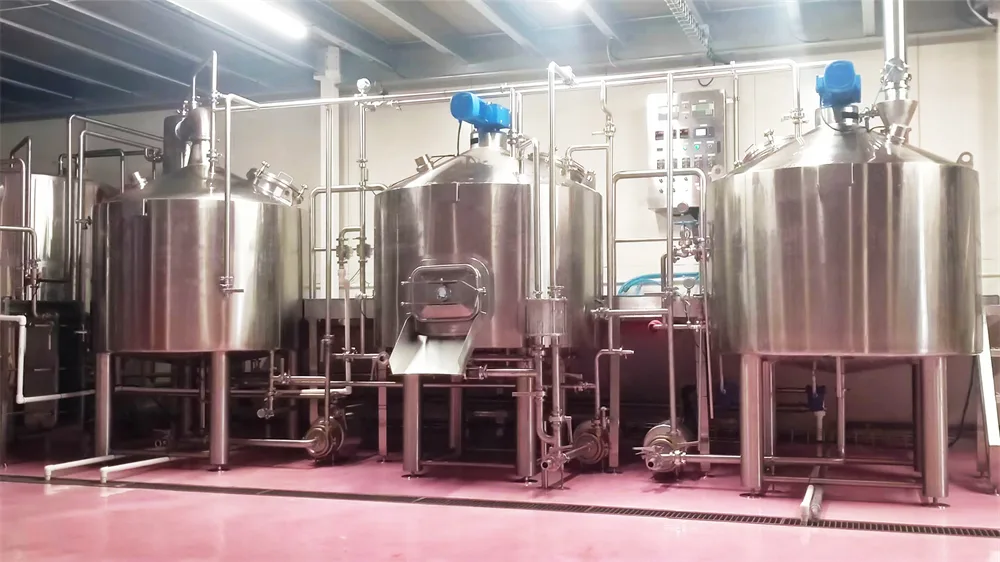
Un'idea sbagliata comune è che l'attrezzatura per la produzione di birra si riferisca solo al fermentatore stesso. In realtà, una soluzione completa per una birreria da 1000 litri comprende diversi sistemi integrati che lavorano insieme per garantire efficienza, igiene e qualità costante della birra.
2.1 Sistema di birrificazione
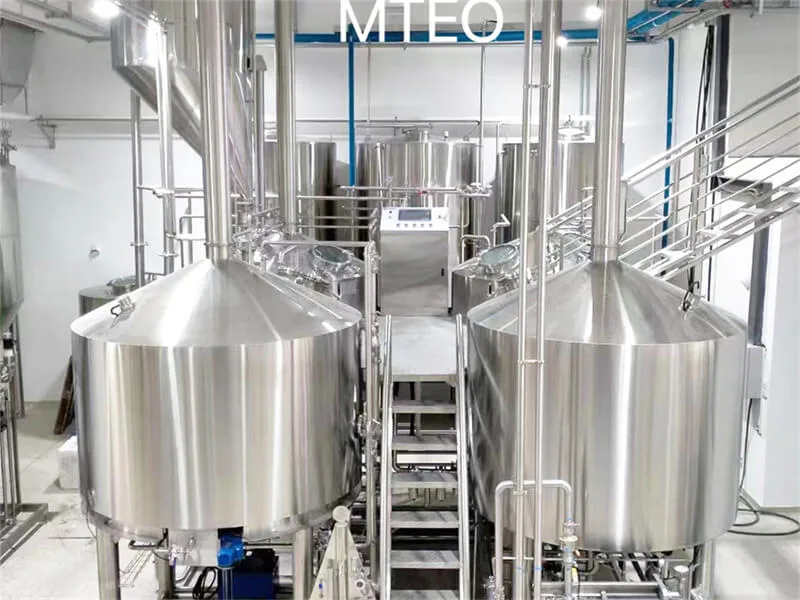
La sala cottura è il cuore del birrificio. Le configurazioni tipiche includono:
- Sistema a 2 vasche: Mash/Lauter Tun + Kettle/Whirlpool
- Sistema a 3 vasche: Mash Tun + Lauter Tun + Bollitore/Whirlpool
Caratteristiche principali da ricercare:
- Riscaldamento a vapore o elettrico a camera stagna
- Falso fondo ad alta efficienza per lautomatizzazione
- Pompe e sistema di rastrellatura a velocità variabile
- Vasi isolati per l'efficienza energetica
La scelta tra sistemi a 2 o 3 vasche dipende dal volume di produzione, dalla flessibilità delle ricette e dallo spazio disponibile.
2.2 Vasche di fermentazione
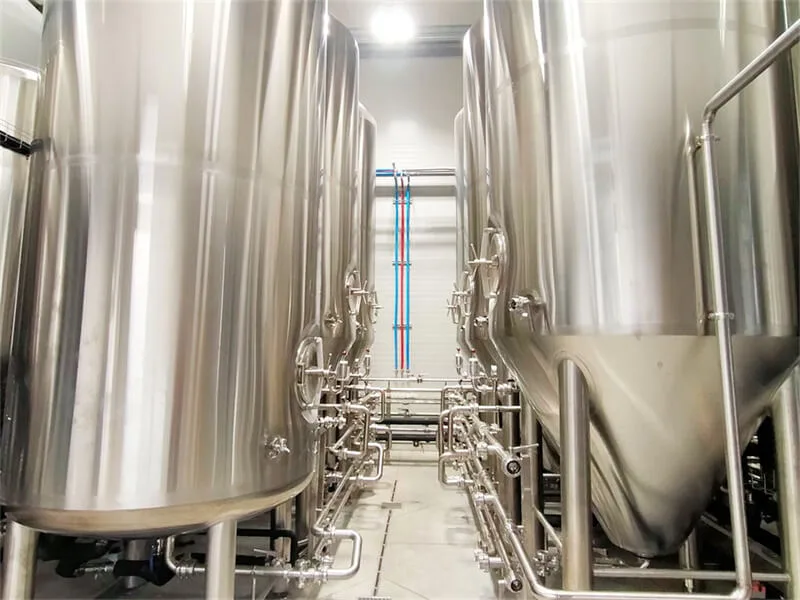
La capacità di fermentazione determina in larga misura la produzione effettiva.
Le configurazioni tipiche includono:
- 6-12 serbatoi di fermentazione (1000L-2000L per unità)
- Design a doppio strato o con camicia di glicole
- Unità per la fermentazione e il condizionamento
Un layout di fermentazione ben pianificato consente ai birrifici di scalare la produzione semplicemente aggiungendo altri serbatoi, senza sostituire la sala cottura.
2.3 Sistema di raffreddamento e glicole
Il controllo della temperatura è essenziale per ottenere una fermentazione stabile e profili di sapore costanti.
Un sistema di raffreddamento completo comprende:
- Refrigeratore industriale a glicole dimensionato per l'espansione futura
- Tubazioni glicole isolate
- Controllo individuale della temperatura per ogni serbatoio
Un'adeguata progettazione del raffreddamento è fondamentale, soprattutto nei climi più caldi o nei birrifici ad alta produzione.
2.4 Sistema di pulizia CIP
I sistemi Clean-in-Place (CIP) garantiscono l'igiene e la sicurezza alimentare in tutto il birrificio.
Una configurazione CIP standard può comprendere:
- Skid CIP mobile o fisso
- Pulizia di pompe e serbatoi
- Programmi di pulizia automatizzati o manuali
Un sistema CIP efficace riduce la manodopera, minimizza il rischio di contaminazione e migliora l'efficienza complessiva del birrificio.
2.5 Sistema di controllo
A seconda delle preferenze operative, un birrificio da 1000 litri può utilizzare:
- Controlli manuali
- Sistemi semiautomatici
- Automazione basata su PLC
L'automazione migliora la ripetibilità, riduce gli errori umani e favorisce una produzione costante, soprattutto quando la produzione aumenta.
3. L'installazione, il trasporto e l'assistenza post-vendita sono complicati?
Per molti clienti, soprattutto per quelli stranieri, questa è una delle maggiori preoccupazioni quando acquistano attrezzature per la produzione di birra.
Trasporto e spedizione
Le moderne attrezzature per la produzione di birra da 1000 litri sono in genere progettate con una struttura modulare, che consente di essere:
- Spediti in contenitori standard
- Protetto per il trasporto su lunghe distanze
- Facilmente maneggiabile durante lo scarico
Un imballaggio e una pianificazione logistica adeguati riducono notevolmente i rischi di spedizione.
Installazione e messa in servizio
La complessità dell'installazione dipende in larga misura dall'esperienza del fornitore e dalla progettazione del sistema.
I sistemi ben progettati offrono:
- Disegni e manuali di installazione chiari
- Tubazioni e cablaggi preinstallati, ove possibile
- Assistenza alla messa in servizio in loco o a distanza
Nella maggior parte dei casi, l'installazione può essere completata in modo efficiente con manodopera locale di base e sotto la guida di un professionista.
Assistenza e supporto post-vendita
Un servizio post-vendita affidabile è essenziale per il successo a lungo termine.
Un fornitore di apparecchiature professionali dovrebbe fornire:
- Documentazione tecnica e formazione
- Risoluzione dei problemi a distanza e supporto online
- Disponibilità di ricambi
- Servizio opzionale in loco, se necessario
Una solida assistenza post-vendita assicura un funzionamento regolare e protegge il vostro investimento per tutto il ciclo di vita del birrificio.
Pensieri finali
Un impianto di birrificazione da 1000 litri è più di un semplice pezzo di equipaggiamento: è una decisione strategica che determina il modo in cui un birrificio opera, cresce e compete sul mercato.
Scegliendo la giusta configurazione, pianificando l'espansione futura e collaborando con un fornitore esperto, un birrificio da 1000 litri può costituire una base stabile per un successo a lungo termine nel settore della birra artigianale.
Se avete domande sulle attrezzature per la produzione di birra o sulle soluzioni per la produzione di birra, non esitate a contattarci. contattateci-Siamo sempre felici di aiutarvi.