For large commercial breweries, reliable equipment is the foundation of consistent beer quality, high production efficiency, and workplace safety. From brewhouse systems and fermentation tanks to filtration, bottling lines, CIP, and refrigeration, a structured preventive maintenance plan reduces unplanned downtime, extends equipment life, and ensures compliance with food-grade standards.
This guide outlines practical, industry-standard inspection and maintenance workflows optimized for large-scale brewing operations.
Key Principles of Brewery Equipment Management
Effective equipment care follows four core principles:
- Prevention First: Catch issues early to avoid major breakdowns.
- Safety Above All: Follow LOTO (Lockout/Tagout) protocols and use PPE.
- Standardized Operations: Follow OEM guidelines and food-safe requirements.
- Closed-Loop Management: Record, track, verify, and improve every process.
Daily Equipment Inspection Checklist
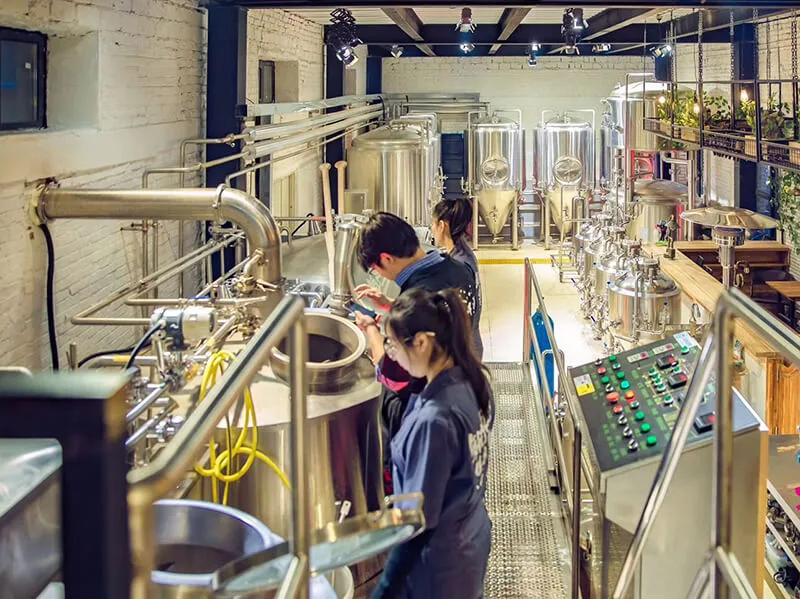
Daily inspections are your first line of defense. Perform 1–2 checks per production shift using look, listen, touch, measure methods.
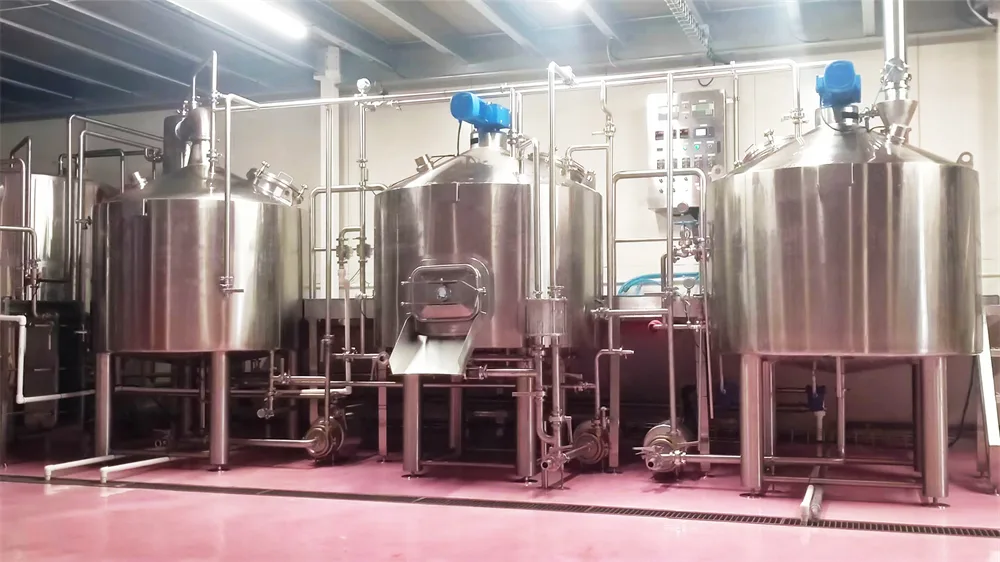
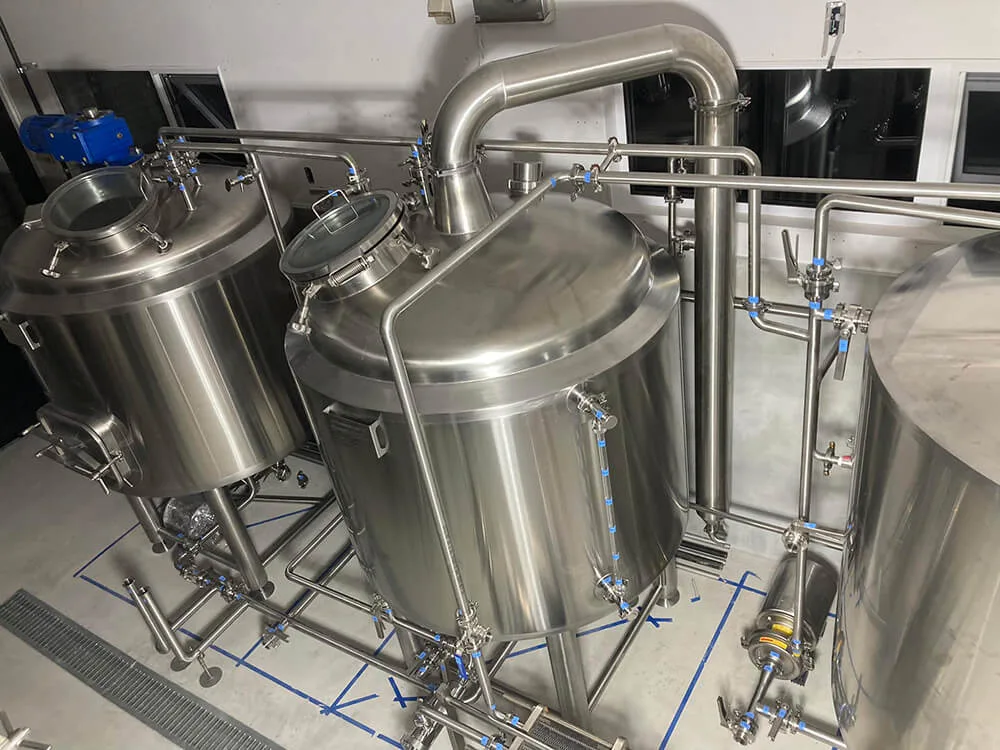
Brewhouse System (Mash Tun, Lauter Tun, Brew Kettle)
- Check for leaks, corrosion, and proper sealing.
- Verify temperature, pressure, and level instruments.
- Ensure agitators and pumps run smoothly without unusual noise.
- Monitor for foam overflow and burnt wort buildup.
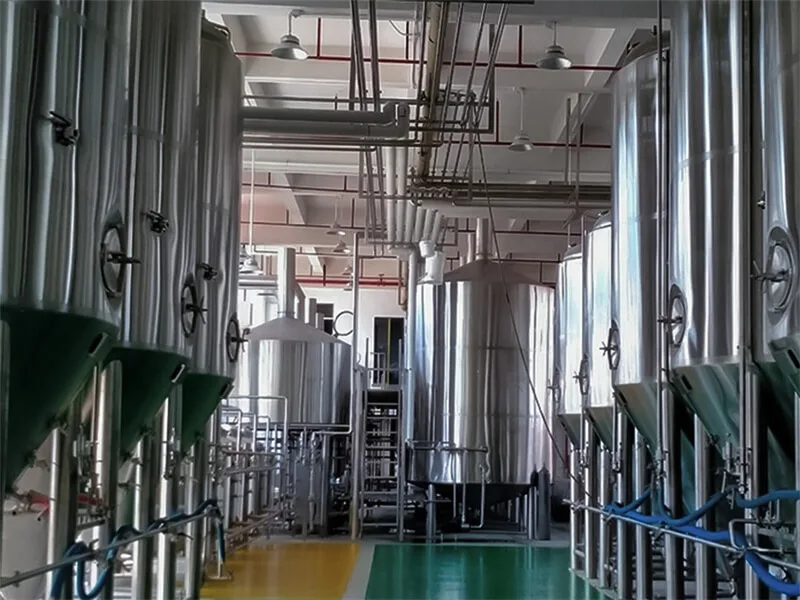
Fermentation Tank Farm
- Inspect tank integrity, cooling jackets, and seals for leaks.
- Confirm temperature control and pressure stability.
- Check vent valves, drain valves, and refrigerant lines.
- Ensure no yeast or protein buildup that causes contamination.
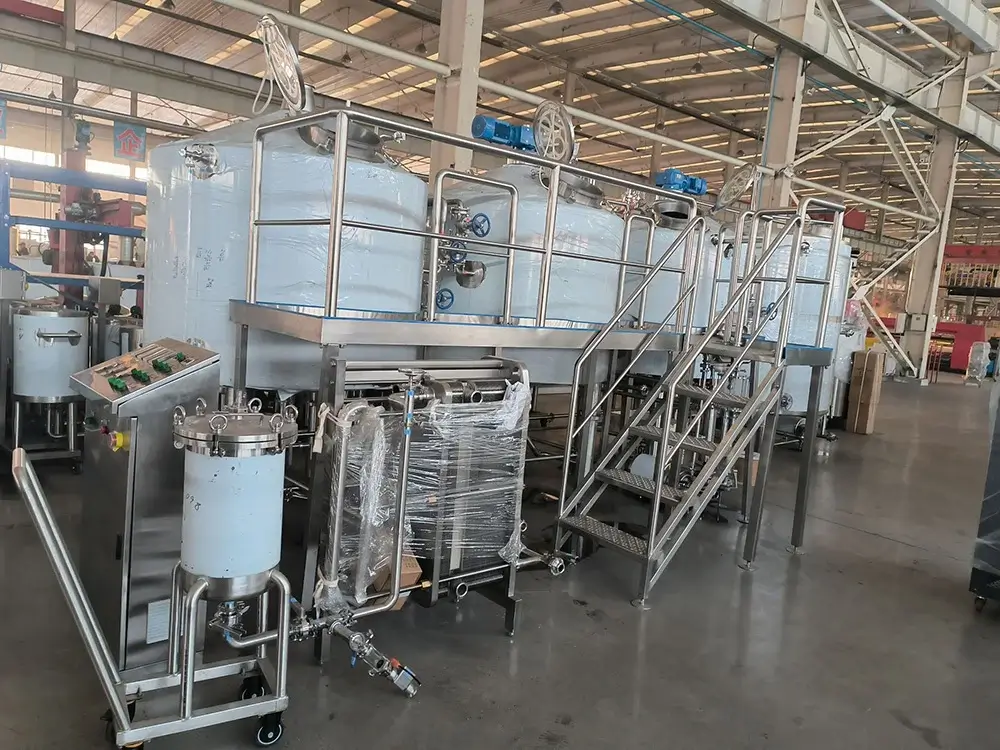
Filtration & Filling Lines
- Check filter plates/membranes for damage and proper pressure differential.
- Ensure filling nozzles are clean, drip-free, and calibrated.
- Monitor conveyors for smooth, stable movement.
CIP & Utility Systems
- CIP: Check cleaning solution concentration, spray balls, and pump performance.
- Refrigeration: Inspect compressors, condensers, and refrigerant levels.
- Air compressors, water treatment, and steam systems: Check pressure, leaks, and drainage.
Abnormal Response Protocol
- Record all readings in a digital or paper log.
- Fix minor issues immediately and document them.
- For serious faults — shutdown, isolate power, label hazards, and alert maintenance.
- Test equipment before restarting production.
Scheduled Maintenance Schedule
Preventive maintenance is organized by frequency to balance performance and cost.
Daily (After Production)
- Clean surfaces, remove residues, and drain condensate.
- Tighten loose bolts and connections.
- Replenish lubricants and sanitizers.
- Reset valves and switches to standby mode.
Semanal
- Lubricate bearings, conveyors, and moving parts with food-grade lubricant.
- Deep clean filters, spray balls, and filling nozzles.
- Inspect seals, gaskets, and electrical connections.
- Calibrate key sensors and gauges.
Mensualmente
- Replace filter bags, membranes, and worn gaskets.
- Inspect piping for leaks, corrosion, or scaling.
- Test water treatment and adjust media as needed.
- Clean refrigeration condensers and check refrigerant pressure.
Trimestral
- Inspect internal components and remove scale or deposits.
- Test safety valves, emergency stops, and pressure relief systems.
- Calibrate temperature and pressure controls.
- Perform pressure tests on pipelines.
Annual (With OEM Support)
- Full disassembly and inspection of core equipment.
- Remove beerstone and perform acid cleaning where needed.
- Apply anti-corrosion treatment to tanks and piping.
- Upgrade controls and optimize system performance.
- Update complete equipment lifecycle records.
Fast Troubleshooting & Breakdown Repair
When failures occur, speed and accuracy minimize production loss.
- Report & Isolate: Shut down equipment, lock energy sources, warn others.
- Diagnose: Identify root cause using inspection history and on-site testing.
- Repair: Replace parts, fix leaks, or repair electrical/mechanical issues.
- Verify: Test run and confirm stable operation.
- Record & Prevent: Document repairs and implement preventive actions.
Common quick fixes:
- Fermenter leaks → replace gaskets or repair piping.
- Filler dripping → clean nozzles or replace seals.
- Chiller not cooling → clean condensers or recharge refrigerant.
- High filter differential pressure → replace membranes.
Spare Parts & Management Best Practices
Maintain stock of critical wear parts:
- Seals, gaskets, and O-rings
- Filter bags and membranes
- Bearings and belts
- Motors, pumps, and valves
Store parts in clean, dry conditions and track usage to avoid shortages.
Why This Maintenance Plan Matters
A standardized inspection and maintenance system:
- Reduces unplanned downtime and repair costs.
- Ensures consistent beer flavor, clarity, and quality.
- Prevents microbial contamination and safety incidents.
- Maximizes the service life of brewery equipment.
- Supports compliance with food safety and industry standards.
Reflexiones finales
Large brewery equipment demands consistent, proactive care. By following structured daily inspections and scheduled maintenance, you ensure stable production, lower operational costs, and protect your brand reputation. For commercial breweries, reliable equipment isn’t just a priority — it’s the foundation of every great beer.
Póngase en contacto con nosotros for a custom brewhouse system design tailored to your production goals, budget, and future expansion plans.