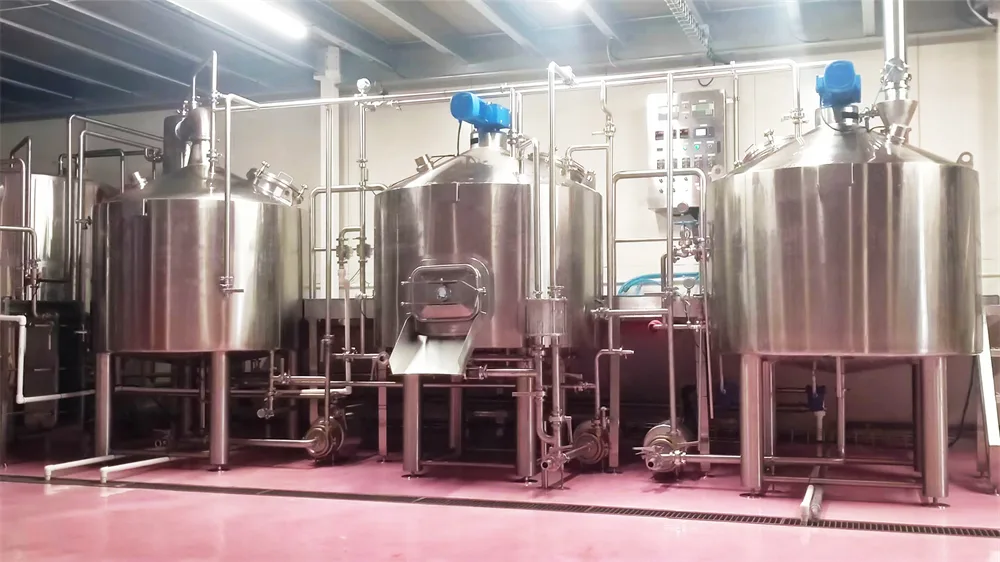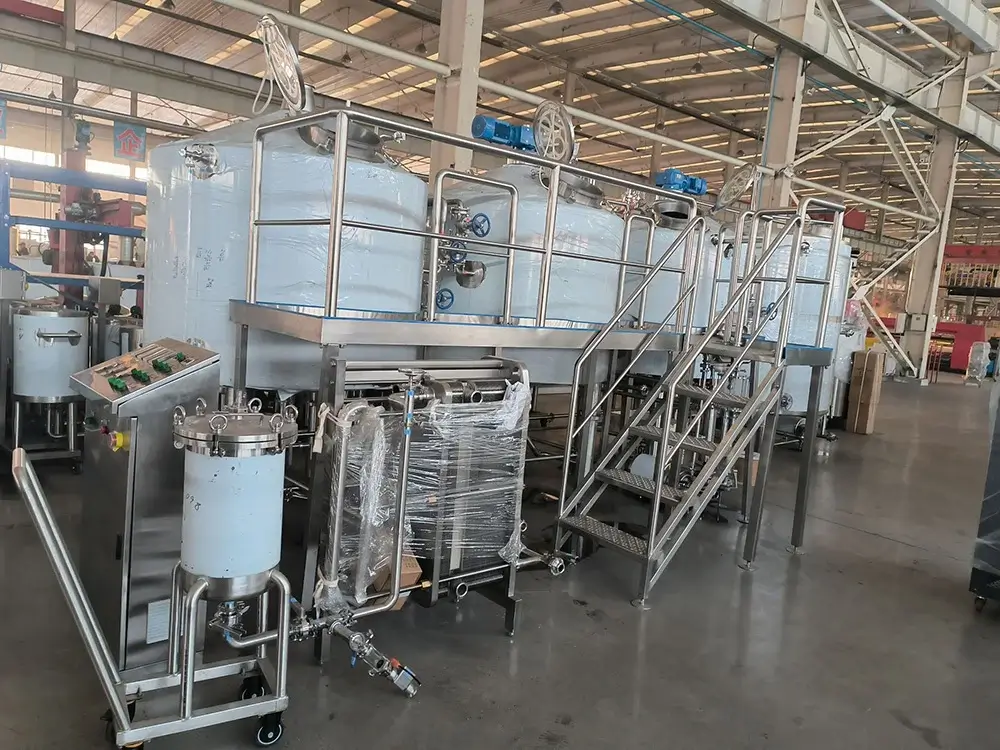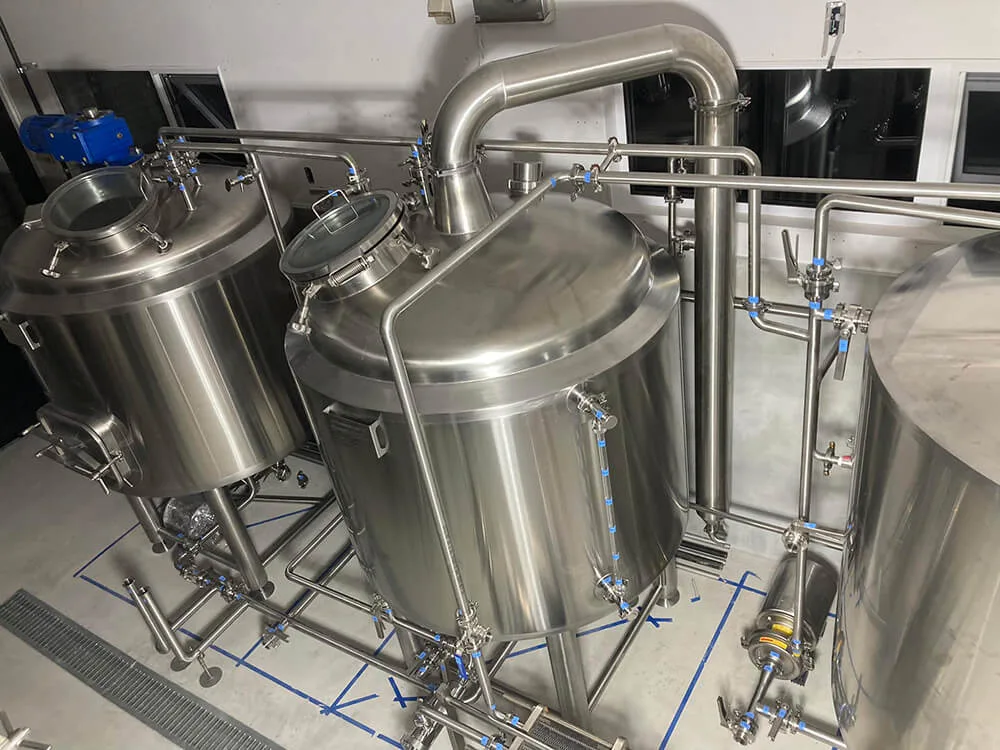
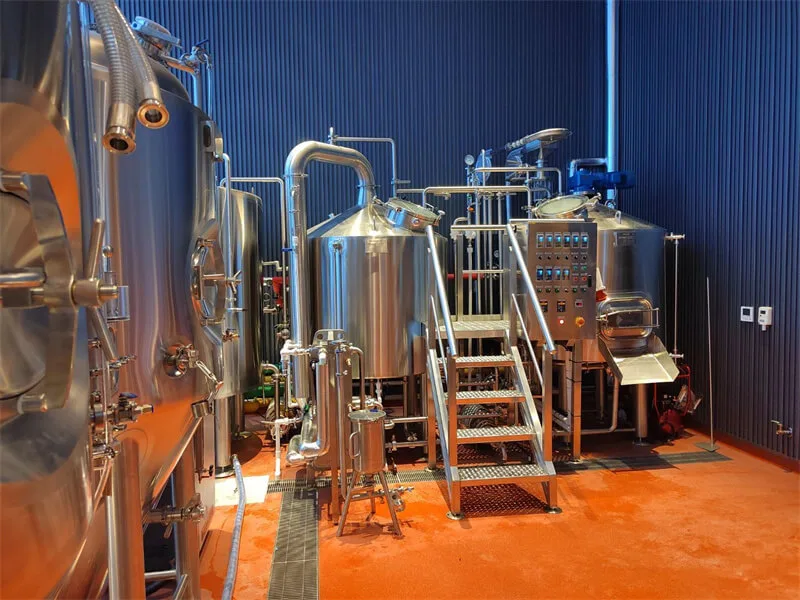
Ampliar la capacidad de una fábrica de cerveza es un hito emocionante, pero también puede resultar intimidante.
Para muchas cervecerías artesanales, el primer instinto es sustituir la sala de cocción por un sistema más grande. En realidad, suele ser la opción más cara, perjudicial e innecesaria.
La verdad es que la mayoría de las fábricas de cerveza pueden aumentar considerablemente la producción sin sustituir la sala de cocción, optimizando los sistemas que la rodean.
Este artículo explora estrategias prácticas y probadas para ampliar la capacidad de la cervecería manteniendo intacta la sala de cocción existente y su inversión.
Por qué sustituir la sala de cocción no siempre es el primer paso correcto
La sala de cocción suele ser el equipo más caro de una fábrica de cerveza. Sustituirla suele significar:
- Elevados gastos de capital
- Largos plazos de entrega y tiempos de inactividad de la instalación
- Modificaciones de los servicios, las tuberías y el trazado
- Riesgo operativo durante la transición
Sin embargo, en muchos casos, la propia sala de cocción no es el verdadero cuello de botella.
Las cervecerías artesanales modernas son sistemas complejos en los que la fermentación, la refrigeración, la limpieza y la eficiencia del flujo de trabajo a menudo limitan la producción mucho antes de que lo haga la sala de cocción.
Una expansión inteligente empieza por identificar las limitaciones reales.
Paso uno: Identifique dónde su capacidad es realmente limitada
Antes de invertir en nuevos equipos, evalúe honestamente su funcionamiento actual. Los signos más comunes de cuellos de botella ocultos son:
- La sala de cocción sólo produce 1-2 lotes al día.
- Tanques de fermentación siempre llenos
- La congelación o el enfriamiento tardan más de lo previsto
- La limpieza CIP retrasa la siguiente fase de producción
- La carga de trabajo del personal limita el número de operaciones diarias
En la mayoría de las cervecerías, la fermentación y la capacidad de frío limitan el crecimiento mucho antes que los volúmenes de maceración o cocción.
Estrategia 1: Aumentar la capacidad de fermentación (mayor retorno de la inversión)
Por qué la fermentación es el primer lugar para expandirse
La sala de cocción produce mosto en horas.
La fermentación se realiza en depósitos durante 10-21 días o más.
Este desequilibrio significa que incluso un pequeño aumento del volumen de fermentación puede generar importantes ganancias de producción.
Opciones prácticas de ampliación
- Añadir más tanques de fermentación en lugar de tanques más grandes
- Utiliza depósitos altos y delgados para aprovechar al máximo el espacio
- Aumente la capacidad del tanque de cerveza brite (BBT) para liberar fermentadores más rápidamente
- Estandarización de los tamaños de los depósitos para una programación flexible
Muchas cervecerías duplican su producción anual simplemente añadiendo fermentadores, sin cambiar en absoluto la sala de cocción.
Lo más importante:
Si sus fermentadores están llenos, su sala de cocción ya está por delante del proceso.
Estrategia 2: Elaborar más lotes al día con la misma sala de cocción
Aumentar el tamaño de la sala de cocción no es la única forma de aumentar el rendimiento. Mejorar el recuento diario de lotes puede reportar ganancias espectaculares.
De 1-2 lotes a 3-4 lotes al día
Esto se consigue mediante:
- Lauteración y escurrido del mosto más rápidos
- Intercambio de calor y noqueo eficientes
- Reducción del tiempo de limpieza y cambio
- Operaciones paralelas (filtración mientras hierve)
Factores de diseño e ingeniería que importan
- Intercambiadores de calor de placas de alta eficiencia
- Diseño optimizado de tuberías y válvulas
- Controles automatizados de la sala de cocción
- Diseños de recipiente de vaciado rápido y limpieza rápida
Dos fábricas de cerveza con la misma sala de cocción de 1000L pueden tener diferencias de 30-50% en la producción diaria, dependiendo de la ingeniería y el flujo de trabajo.
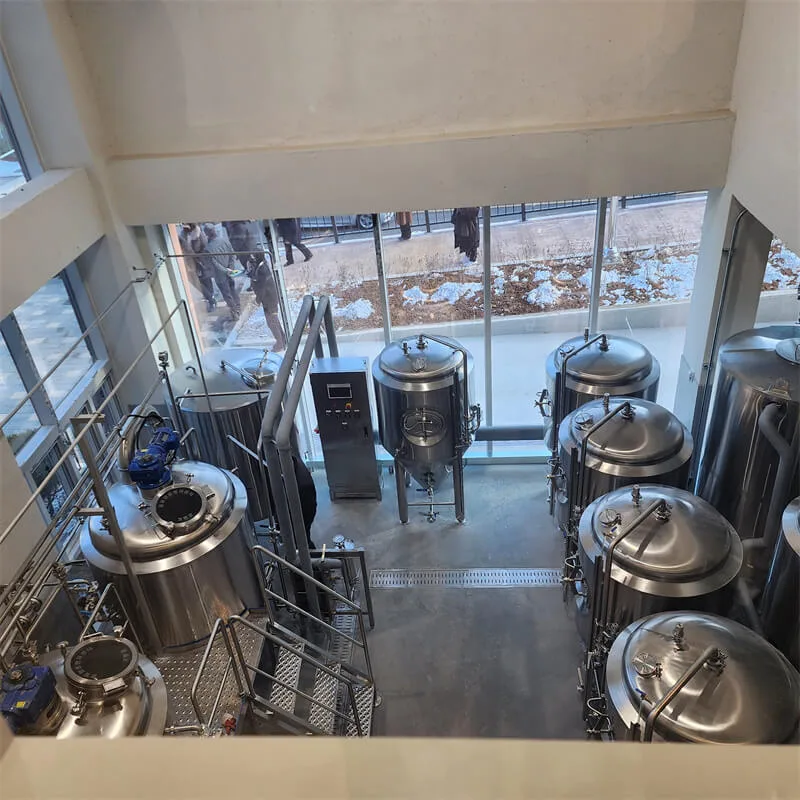
Estrategia 3: Modernizar los sistemas de refrigeración y glicol (a menudo ignorados)
La capacidad de refrigeración es uno de los límites más subestimados en la ampliación de una fábrica de cerveza.
Por qué la refrigeración controla la velocidad de producción
Aunque la producción de mosto sea rápida, la fermentación no puede comenzar hasta que el mosto alcance la temperatura de fermentación. Causas de una refrigeración insuficiente:
- Noqueo retardado
- Rendimiento inconsistente de la fermentación
- Conflictos de programación entre lotes
Actualizaciones comunes del sistema de refrigeración
- Depósitos de glicol más grandes o adicionales
- Distribución de glicol multicircuito
- Enfriadoras de mayor capacidad
- Aislamiento y diseño de tuberías mejorados
Muchas cervecerías creen que han llegado al límite de su sala de cocción, cuando en realidad el sistema de glicol es el verdadero cuello de botella.
Estrategia 4: Reducir el tiempo de inactividad con una CIP y una automatización más inteligentes
La capacidad no sólo se refiere a la cantidad que se puede producir, sino también a la frecuencia con que los equipos permanecen inactivos.
La PIC como cuello de botella oculto
Los sistemas CIP manuales o ineficaces pueden consumir horas de tiempo productivo cada día. Los problemas típicos incluyen:
- CIP de bucle único compartido por demasiados depósitos
- Largos tiempos de calentamiento y preparación
- Horarios de limpieza que entran en conflicto con la elaboración de la cerveza
Soluciones que liberan la capacidad oculta
- Sistemas CIP multibucle
- Programas de limpieza automatizados
- Circuitos CIP específicos para la sala de cocción y la bodega
- Automatización de válvulas para reducir la manipulación manual
Reducir el tiempo de inactividad incluso una hora al día puede traducirse en docenas de lotes adicionales al año.
Estrategia 5: Optimizar el flujo de trabajo y la disposición de la fábrica de cerveza
A medida que las cervecerías crecen, los diseños concebidos para las operaciones iniciales suelen volverse ineficaces.
Retos comunes del flujo de trabajo
- Largos recorridos de mangueras y transferencias manuales
- Tráfico cruzado entre la fabricación de cerveza y las bodegas
- Acceso limitado a bocas de acceso o válvulas
- Mala disposición de los depósitos para futuras ampliaciones
Mejoras de diseño a tener en cuenta
- Reorganización de la ubicación de los depósitos para transferencias por gravedad o cortas
- Sistemas de tuberías modulares para futuros depósitos
- Separación clara de las operaciones en caliente y en frío
Estos cambios pueden parecer menores, pero con el tiempo se traducen en un aumento real de la capacidad.
Estrategia 6: Expansión por fases, no de golpe
Las ampliaciones más sostenibles desde el punto de vista financiero se producen por etapas.
Una ruta típica de expansión por fases
- Añadir tanques de fermentación y cerveza brite
- Mejora del glicol y la capacidad de refrigeración
- Mejorar la PIC y la automatización
- Aumentar los lotes diarios de la sala de cocción
- Sustituya la sala de cocción sólo cuando sea realmente necesario
Este enfoque protege el flujo de caja, minimiza el riesgo y permite que la producción crezca al mismo ritmo que la demanda.
¿Cuándo tiene sentido cambiar la sala de cocción?
Sustituir la sala de cocción debería ser la paso finalno el primero.
Puede ser el momento de actualizar si:
- Realiza de forma constante entre 4 y 5 lotes al día
- La fermentación, la refrigeración y la limpieza in situ ya no son factores limitantes
- La demanda del mercado es estable y a largo plazo
- El diseño actual de la sala de cocción físicamente no puede ampliarse más
En este punto, una sala de cocción más grande ya no es una suposición, sino una inversión justificada.
Conclusiones: La ampliación inteligente es la optimización del sistema
Ampliar la capacidad de la cervecería no tiene por qué significar sustituir la sala de cocción.
En la mayoría de los casos, el crecimiento procede de la optimización de todo el sistema de elaboración de cerveza -fermentación, refrigeración, limpieza, automatización y flujo de trabajo- y no sólo del aumento del volumen de mosto.
Un plan de expansión bien diseñado puede:
- Aumentar la producción con menos inversión
- Reducir el riesgo operativo
- Preservar la flexibilidad para el crecimiento futuro
Las cerveceras inteligentes se expanden con intención, no por impulso.
Si tiene previsto aumentar la producción, una evaluación profesional de su sistema actual puede revelar dónde se está perdiendo realmente capacidad y cómo recuperarla sin sustituciones innecesarias.