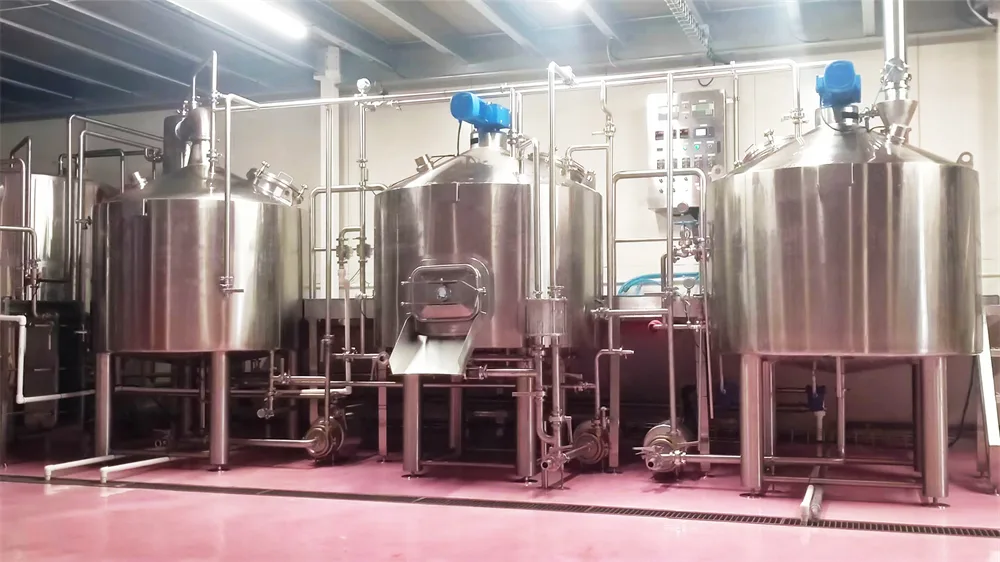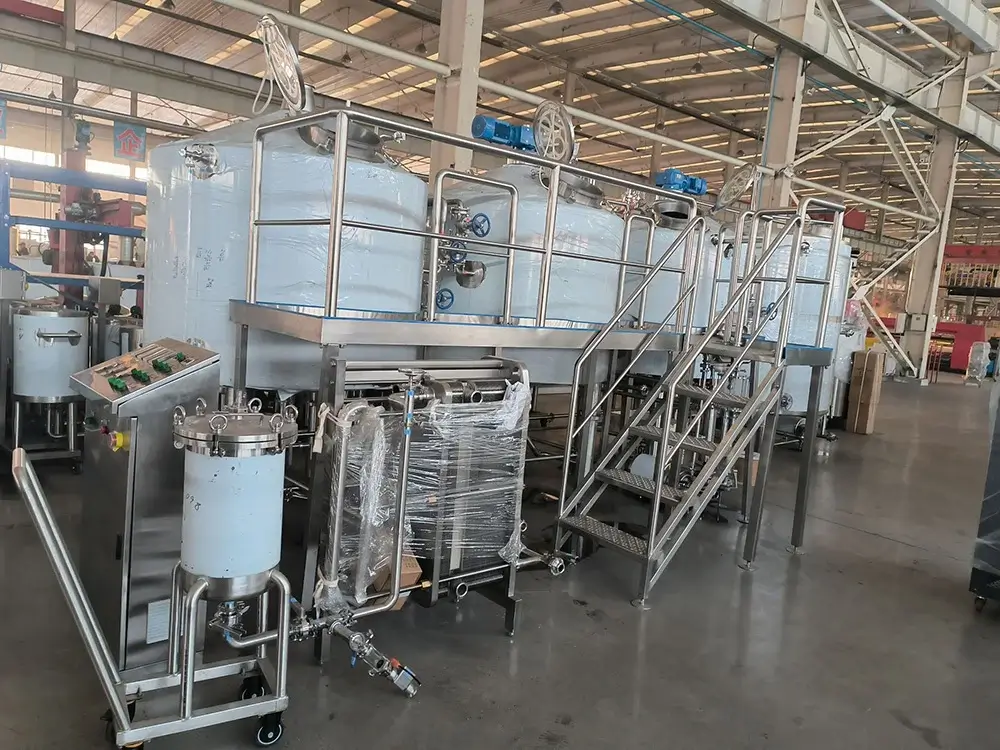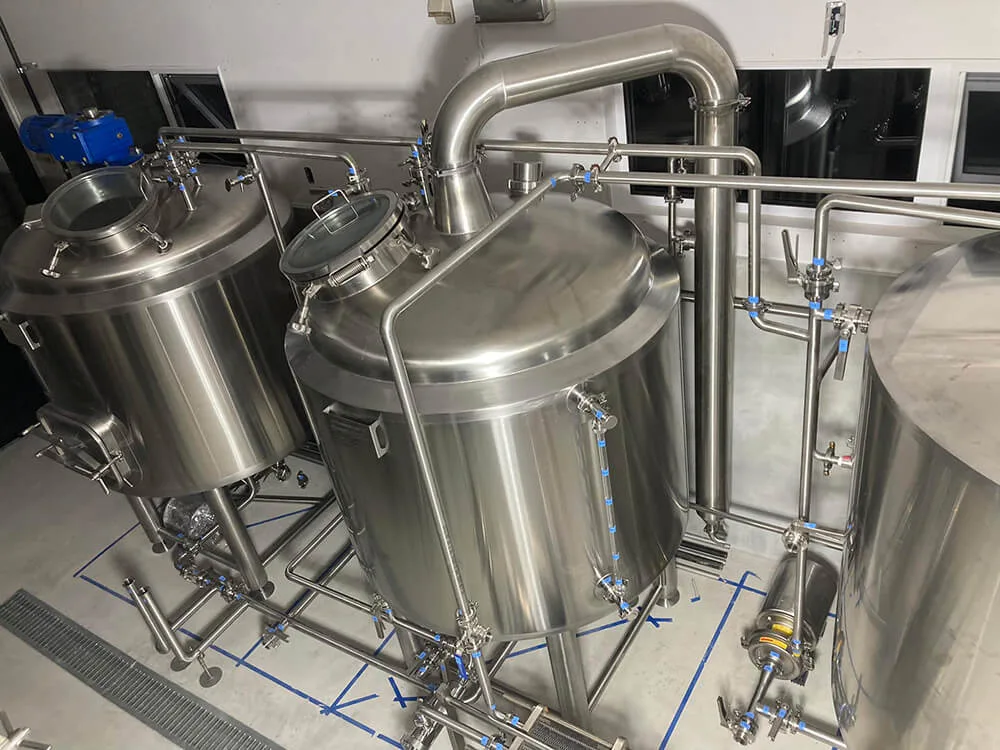
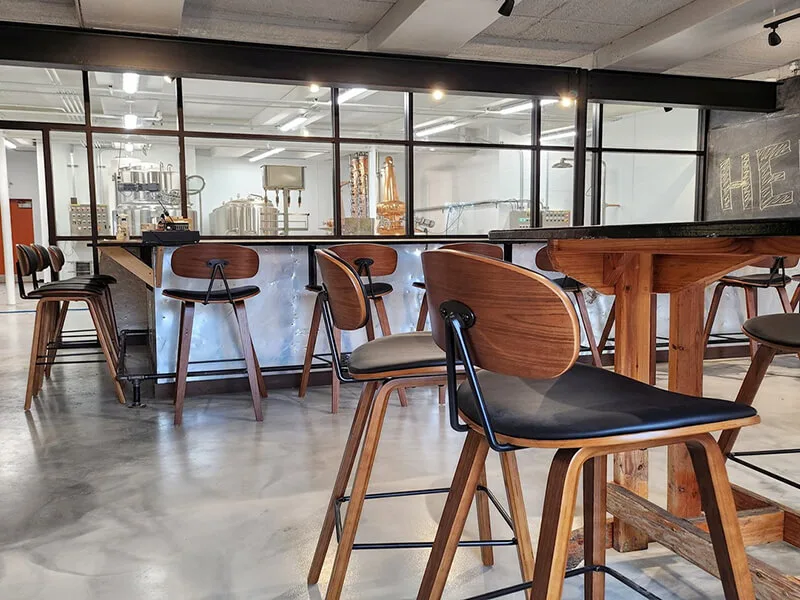
Choosing the right number of fermentation tanks is one of the most critical decisions when designing a brewpub brewing system.
While brewhouse size determines how much wort you can produce in one batch, fermentation capacity determines how often—and how reliably—you can serve fresh beer.
For brewpubs and restaurants, where space is limited and beer is consumed on-site, poor fermentation planning often leads to production bottlenecks, inconsistent supply, or unnecessary capital investment.
This guide explains how many fermentation tanks a brewpub really needs, and how to plan them correctly.
1. Why Fermentation Capacity Matters More Than Brewhouse Size
Many first-time brewpub owners focus heavily on brewhouse volume (300L, 500L, 1000L).
In reality:
- The brewhouse works for a few hours per brew
- Fermentation tanks are occupied for 2–4 weeks per batch
This means fermentation tanks—not the brewhouse—are the true limiting factor of your production.
A well-sized fermentation system ensures:
- Stable beer availability
- Flexible beer styles
- Consistent quality
- Smooth daily operations
2. The Basic Rule: Fermentation-to-Brewhouse Ratio
As a general rule for brewpubs:
Fermentation capacity should be 4–6 times the brewhouse volume
Example:
- 500L brewhouse
- Recommended fermentation capacity: 2,000–3,000L total
This ratio allows for:
- Multiple beers fermenting simultaneously
- Adequate fermentation and conditioning time
- Continuous production without pressure
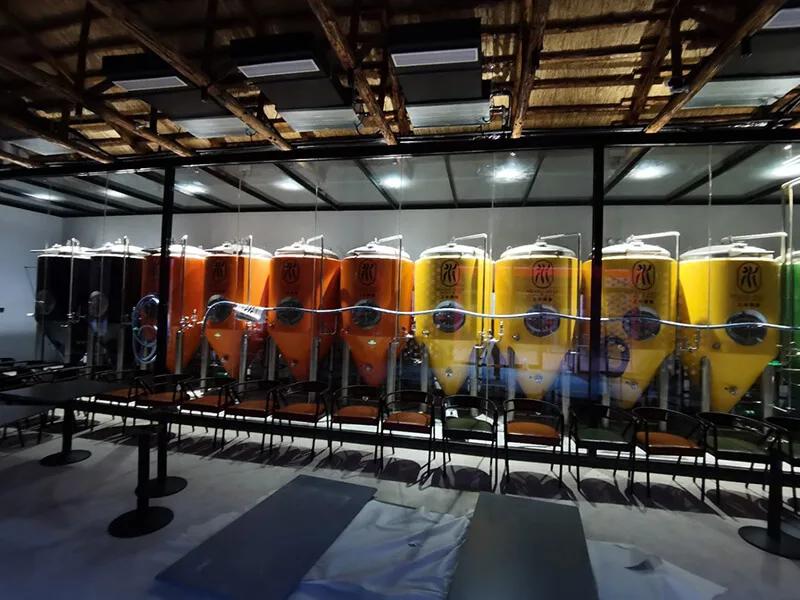
3. How Many Tanks Do Brewpubs Typically Use?
Below is a practical guideline based on real brewpub operations:
🔹 300L Brewpub System
- Fermentation tanks: 3–4 × 300L
- Ideal for:
- Small bars
- Restaurants with limited taps
- Pilot or trial brewing
This setup supports:
- 2–3 core beers
- Occasional seasonal or experimental batches
🔹 500L Brewpub System (Most Common)
- Fermentation tanks: 4–6 × 500L
- Ideal for:
- Standard brewpubs
- High-traffic restaurants
- Taprooms with 6–10 taps
This configuration provides:
- Stable supply of flagship beers
- Flexibility for seasonal styles
- Better production rhythm
🔹 1000L Brewpub / Restaurant Brewery
- Fermentation tanks: 6–8 × 1000L
- Ideal for:
- Large restaurants
- Multi-location brewpub brands
- Partial external distribution
This setup allows:
- High-volume core beers
- Dedicated tanks for lagers or long-conditioning styles
- Easier future expansion
4. Factors That Affect the Number of Fermentation Tanks
1️⃣ Beer Styles and Fermentation Time
Different beers occupy tanks for different durations:
- Ales: ~14–21 days
- Lagers: ~30–45 days
- High-ABV or specialty beers: even longer
More long-conditioning beers = more tanks required.
2️⃣ Number of Taps
A good rule:
1 fermentation tank per 1–2 taps
Por ejemplo:
- 8 taps → 4–6 fermentation tanks
This keeps your tap list fresh without supply gaps.
3️⃣ Brewing Frequency
Pregúntatelo a ti mismo:
- Brewing once per week?
- Twice per week?
Higher brewing frequency requires more available fermentation space—or larger tank counts.
4️⃣ Available Space
Brewpubs often operate in:
- Urban locations
- Restaurants with back-of-house constraints
This is why vertical unitanks, compact layouts, and shared glycol systems are commonly used in brewpub projects.
5. Unitanks vs Dedicated Fermentation + Brite Tanks
Most brewpubs choose unitanks, because they:
- Combine fermentation and conditioning
- Save space
- Reduce equipment cost
- Simplify operation
For restaurants and brewpubs, unitanks offer the best balance of flexibility and efficiency.
6. Common Fermentation Planning Mistakes
❌ Too few tanks
→ Brewhouse sits idle, beer shortages occur
❌ All tanks the same size without strategy
→ Limited flexibility for seasonal or fast-moving beers
❌ No allowance for future growth
→ Costly upgrades within the first year
7. A Practical Example
A typical 500L brewpub system might include:
- 500L brewhouse
- 4 × 500L fermentation unitanks
- 1–2 additional tanks for expansion
- Central glycol cooling system
- Compact CIP solution
This setup supports steady production while keeping operations manageable for restaurant staff.
8. Plan Fermentation First, Brew Better Long-Term
For brewpubs and restaurants, fermentation tanks are not an accessory—they are the backbone of production stability.
A properly planned fermentation system:
- Maximizes brewhouse utilization
- Ensures consistent beer availability
- Reduces operational stress
- Supports long-term growth
Thinking About Your Brewpub Layout?
A one-stop brewing system supplier can help you:
- Calculate the right fermentation capacity
- Optimize tank layout for limited space
- Match equipment to your menu and service model
Start with fermentation—and your brewpub will brew smarter from day one.