
“If stainless steel tanks give perfect control, why do elite wineries still ferment in oak barrels, concrete eggs, and even clay jars?”
The answer isn’t tradition—it’s intentional winemaking.
There’s no single “best” fermentation vessel. Only the right one for your grape, your style, and your story.
At modern wineries—from Bordeaux châteaux to Napa innovators—diversity in fermentation vessels isn’t a luxury. It’s a strategic advantage.
1. Vessels Shape Wine—They Don’t Just Hold It
Each material interacts with wine in a unique way. Think of them as collaborators, not containers.
| Vessel Type | Role in Winemaking | Best For |
|---|---|---|
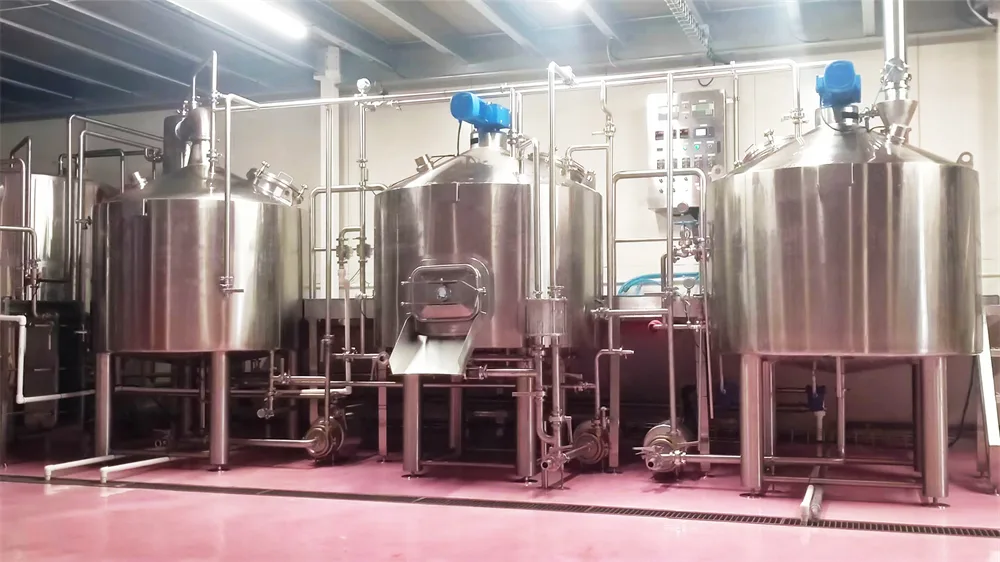
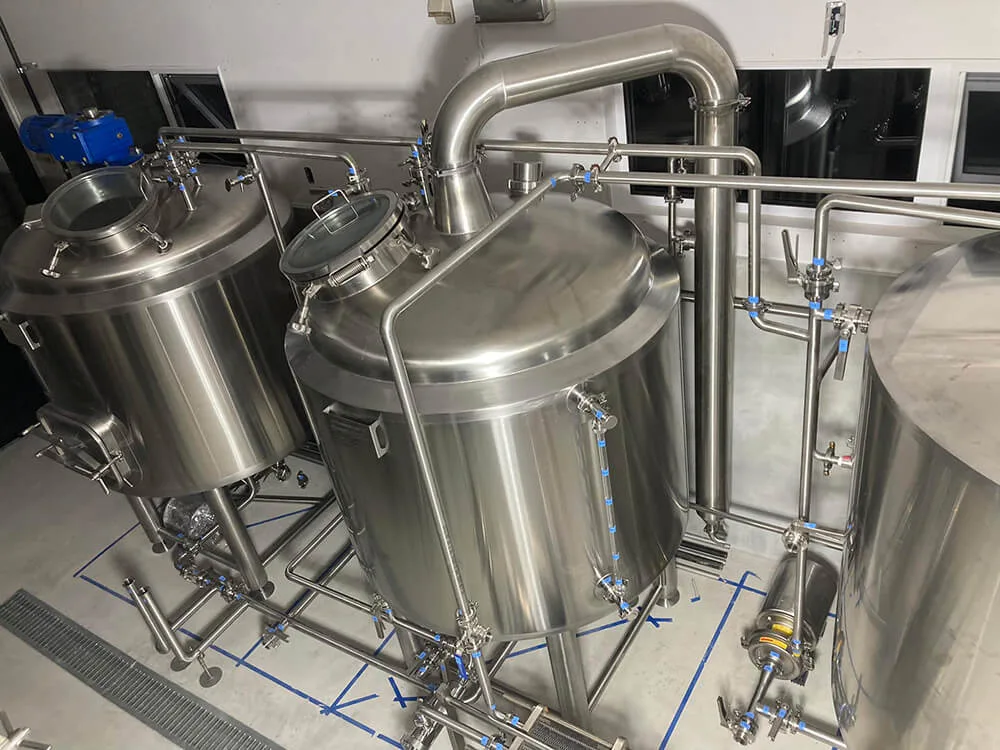
| Stainless Steel | The Precision Translator | Preserving pure fruit; whites, rosés, large-scale production |
| Oak Barrel | The Flavor Sculptor | Adding structure, spice, and aging potential (especially reds) |
| Concrete Tank | The Gentle Mediator | Slow micro-oxygenation + thermal stability—enhances texture without flavor |
| Clay Amphora | The Ancient Channeler | Ultra-low oxygen; highlights minerality and native yeast character |
2. Why Mix Vessels? Three Strategic Reasons
✅ 1. Build Layered Complexity
Top estates treat vessels like instruments in an orchestra.
Real Example: A Premium Red Blend
- 70% new French oak → tannin backbone, vanilla, baking spice
- 20% neutral oak → soft mouthfeel, integration
- 10% concrete egg → bright red fruit and mid-palate lift
Result? A wine with 40–60% more aromatic depth and textural nuance than any single-vessel version.
✅ 2. Reduce Risk, Increase Options
Fermenting one vineyard lot across multiple vessels:
- Protects against batch failure
- Creates blending flexibility
- Enables limited-edition cuvées
✅ 3. Match the Grape, Not the Trend
Not all varieties respond the same:
| Grape | Ideal Vessel Combo | Why |
|---|---|---|
| Pinot Noir | Neutral oak + concrete | Delicate skins need gentle extraction |
| Syrah/Shiraz | New oak + stainless | Robust tannins can handle strong oak influence |
| Riesling | Stainless + old barrel | Keeps acidity while adding subtle richness |
| Skin-contact white | Clay + concrete | Long maceration with minimal oxidation |
3. Use the Right Vessel at the Right Stage
🍇 Fermentation Phase
- Thick-skinned reds (Cabernet, Syrah): Stainless for temp control, or rotary tanks for max color extraction
- Thin-skinned reds (Pinot, Gamay): Open-top concrete or small wood for gentle cap management
- Whites & rosés: Mostly stainless—preserve freshness and volatile aromas
🕰️ Aging Phase
- New oak (1st use): Reserve wines
- 1–2 year-old barrels: Mid-tier cuvées
- Large neutral foudres or concrete tanks: Long-term aging with zero flavor impact
🔬 Special Techniques
- Carbonic maceration: Sealed stainless tanks (to maintain CO₂ pressure)
- Sur lie aging: Concrete (stable temps enhance yeast contact)
- Malolactic fermentation: Oak barrels (porous surface supports bacterial activity)
4. Tradition + Innovation = Modern Winemaking
Many iconic estates now blend heritage with experimentation:
Case Study: Brunello Producer, Tuscany
- 80% traditional Slavonian oak casks (brand identity)
- 15% French barriques (for export markets)
- 5% concrete eggs (experimental “terroir-forward” line)
In Napa Valley, winemakers routinely:
- Split one block into 4+ vessel types
- Track sensory changes monthly
- Release micro-lots to test market response
This isn’t nostalgia—it’s R&D with purpose.
5. Sustainability Matters in Vessel Choice
Consider the full lifecycle:
| Vessel | Pros | Considerations |
|---|---|---|
| Stainless Steel | 25+ year lifespan, fully recyclable, low maintenance | Higher upfront cost |
| Oak Barrels | Renewable material, adds market value | Short life (3–5 years), high transport emissions |
| Concrete | Excellent thermal mass → lower energy use long-term | Heavy, high initial CO₂ footprint |
| Clay Amphorae | Low transport if local; artisanal appeal | Fragile, limited scalability |
🌱 2026 Trend: Leading wineries now evaluate vessels using carbon footprint calculators—not just performance, but environmental impact.
6. What’s Right for Your Winery?
🥂 Small Winery (<50 tons/year)
- Start with stainless steel (80%) + a few neutral oak barrels (20%)
- Try renting specialty tanks (concrete/clay) before investing
- Prioritize flexibility over scale
🏭 Mid-Size (50–500 tons)
- Build a modular system: multiple stainless sizes + new/neutral oak
- Add 1–2 concrete or flex tanks for signature wines
- Implement basic temperature logging
🏰 Large Estate (>500 tons)
- Dedicate vessels by product tier and variety
- Run an on-site vessel lab for continuous R&D
- Integrate IoT sensors for real-time monitoring of temperature, DO, and Brix
Final Thought: Great Wine Is a Symphony
The world’s most respected wineries don’t standardize. They orchestrate.
Stainless steel provides clarity. Oak adds warmth. Concrete offers rhythm. Clay brings resonance.
Together, they create something no single vessel ever could.
That’s not just technique.
It’s philosophy.
And it’s how distinction is born.
Ready to Design Your Vessel Strategy?
Whether you’re building a new winery or upgrading your fermentation line, we help you choose the right mix of tanks—for quality, efficiency, and expression.
📩 Contact us today—and start composing your own container symphony.