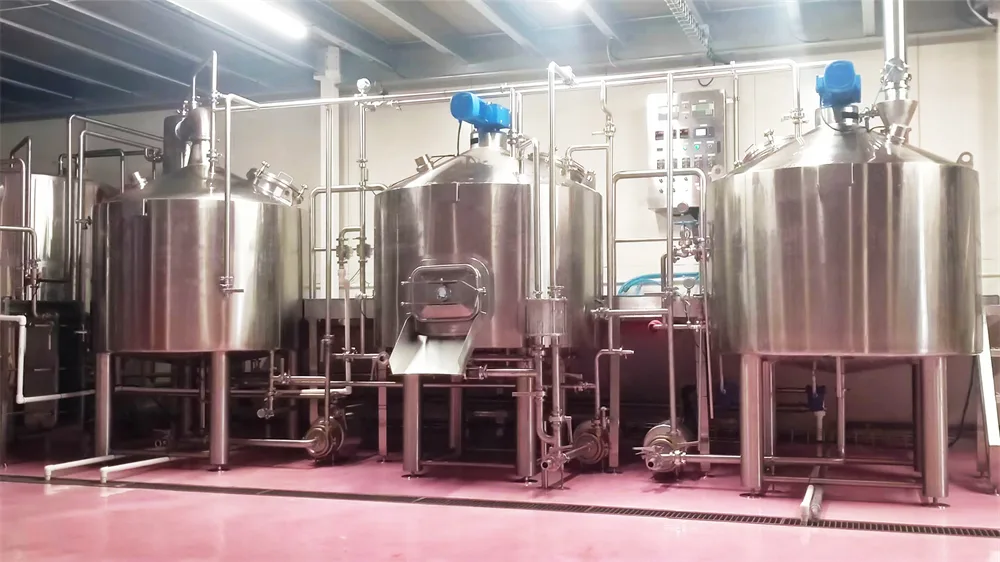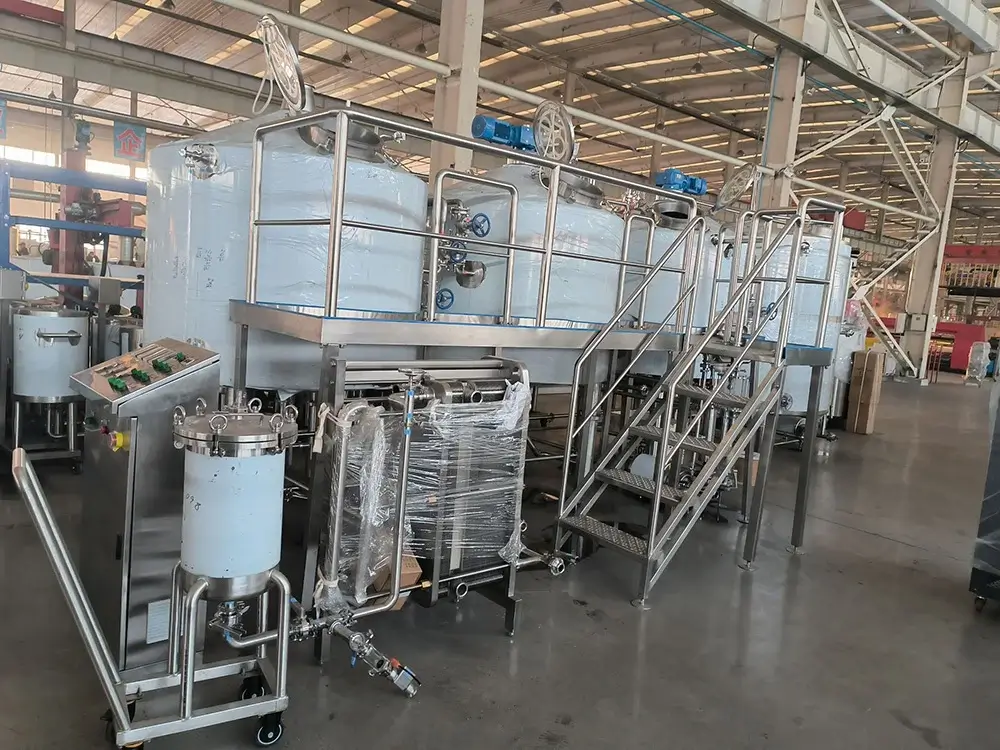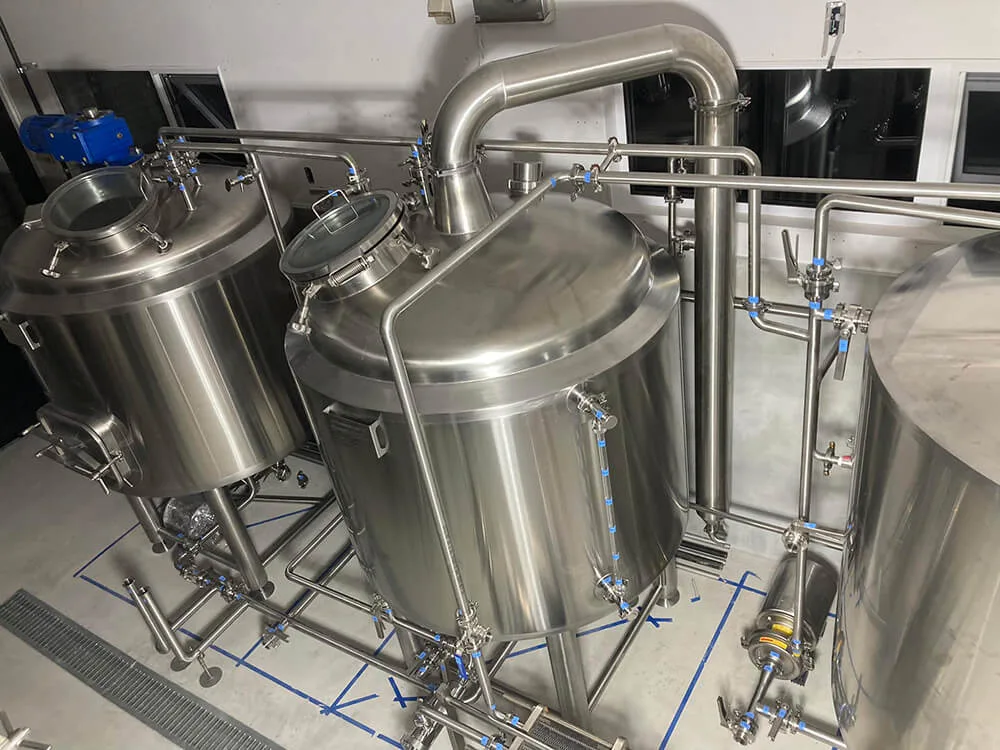

El whisky es una bebida espirituosa en la que confluyen la artesanía y la ciencia. Detrás de cada aroma y sensación en boca únicos hay un proceso de destilación cuidadosamente controlado y un equipo de destilación bien diseñado. Desde las materias primas hasta la fermentación y la destilación, cada paso desempeña un papel fundamental en la definición del carácter final del whisky.
En este artículo, examinamos más de cerca el proceso de producción del whisky y explicamos cómo influyen directamente en su sabor los distintos equipos utilizados, especialmente los alambiques.
1. Selección de materias primas
El whisky de alta calidad comienza con materias primas cuidadosamente seleccionadas. La cebada es el ingrediente principal de la mayoría de los whiskies, y su variedad y calidad influyen mucho en el sabor final.
La cebada pasa primero por el malteado, que incluye el remojo, la germinación y el secado. Durante la germinación, se activan las enzimas que más tarde convertirán el almidón en azúcares fermentables. Esta etapa requiere un control estricto de la temperatura y la humedad, ya que una germinación desigual puede repercutir negativamente en el sabor.
Una vez que la cebada muestra pequeños brotes, se seca en horno. Este paso detiene la germinación y añade sutiles notas de sabor. Un malteado adecuado es la primera base del carácter del whisky.
2. Maceración y fermentación
Tras el secado, la cebada malteada se muele para permitir que las enzimas accedan plenamente al almidón. A continuación, la malta triturada se mezcla con agua caliente durante la maceración. En esta fase, las enzimas convierten el almidón en azúcares, creando un líquido dulce llamado mosto.
La fermentación se produce cuando se añade la levadura. La levadura convierte los azúcares en alcohol y compuestos aromáticos. Las destilerías suelen mantener en secreto la selección de la levadura y el control de la fermentación, ya que influyen significativamente en el aroma y la complejidad. En esta fase es donde realmente se demuestra la pericia técnica de una destilería.
3. La destilación y el papel de los alambiques
El líquido fermentado, conocido como wash, se destila a continuación para concentrar el alcohol y refinar los sabores. La producción tradicional de whisky suele constar de dos etapas de destilación. Tras la primera destilación, el grado alcohólico alcanza alrededor de 25%, y tras la segunda, aumenta hasta aproximadamente 60-70%.
Por qué son importantes los alambiques
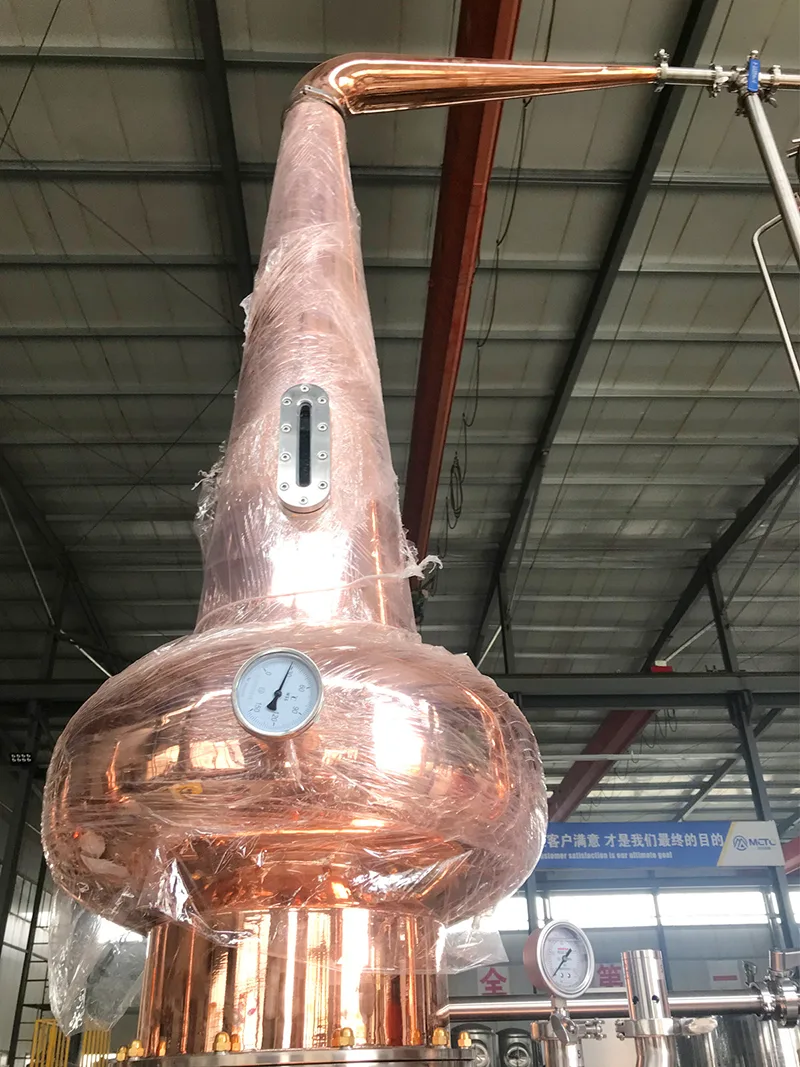
Los alambiques son el equipo más emblemático de la producción de whisky escocés. El whisky escocés de malta única debe destilarse con alambiques de maceta en lugar de alambiques de columna.
Los alambiques funcionan por lotes, lo que los hace menos eficaces que los sistemas de destilación continua. Sin embargo, retienen compuestos de sabor más complejos, produciendo aguardientes más ricos y completos. Esta es la razón por la que los alambiques siguen siendo un equipo de destilería esencial a pesar de sus elevados costes de funcionamiento.
4. Cómo influye el diseño del alambique en el sabor del whisky
Forma y tamaño de la maceta
La forma y el tamaño del alambique influyen en la eficacia del calentamiento, la circulación del vapor y el reflujo. Los alambiques más grandes ofrecen más espacio para la circulación del vapor, lo que permite que los compuestos más pesados se condensen y vuelvan al recipiente.
Aunque los alambiques puedan parecer similares, no hay dos destilerías que utilicen exactamente el mismo diseño. Estas sutiles diferencias son una de las razones clave por las que cada destilería produce un estilo de whisky único.
Material del alambique: Cobre vs. Acero inoxidable
Los primeros equipos de destilación se fabricaban con arcilla o vidrio, pero el cobre se impuso en el siglo XIX.
El cobre desempeña un papel vital en el desarrollo del sabor del whisky. Reacciona con los compuestos de azufre, eliminando aromas no deseados y ayudando a formar ésteres agradables. Las destilerías que experimentaron con el acero inoxidable descubrieron que los licores solían desarrollar notas de azufre indeseables.
Por este motivo, los alambiques de cobre siguen siendo la norma industrial para la producción de whisky de alta gama.
Métodos de calefacción
Los alambiques pueden calentarse de varias formas:
- El fuego directo calienta directamente la base de la olla. Requiere un control preciso y puede provocar quemaduras si no se maneja con cuidado.
- El calentamiento por vapor es el método moderno más común. Los serpentines o camisas de vapor proporcionan un calor uniforme y suave y permiten un control preciso de la temperatura.
- El calentamiento por baño maría rodea la olla con agua caliente, pero es menos eficiente desde el punto de vista energético y se utiliza con menos frecuencia.
El calentamiento por vapor es ampliamente favorecido por su estabilidad, seguridad y consistencia en el desarrollo del sabor.
Velocidad de ascenso del vapor y reflujo
La velocidad a la que el vapor asciende por el interior del alambique influye mucho en el sabor.
- El calentamiento lento favorece el reflujo, lo que permite que los compuestos más pesados vuelvan a caer en la olla, produciendo un aguardiente más ligero y limpio.
- El calentamiento rápido empuja hacia delante los compuestos más pesados, lo que da como resultado un whisky más audaz y robusto.
El control cuidadoso del calentamiento y del flujo de vapor es esencial en el diseño de equipos profesionales para destilerías.
5. Cuello de cisne y control del sabor
El cuello de cisne es el cuello curvado hacia arriba que conecta la olla con el brazo de lyne. Su altura y curvatura influyen en la cantidad de vapor que se condensa y vuelve a la olla.
Los cuellos de cisne más altos o curvados aumentan el contacto con el cobre y el reflujo, produciendo un aguardiente más ligero y refinado. Los cuellos más cortos permiten el paso de vapores más pesados, creando sabores más ricos.
6. Ángulo del brazo Lyne y estilo del whisky
El brazo Lyne conecta el cuello de cisne al condensador.
- Un brazo de lyne inclinado hacia arriba favorece los compuestos más ligeros, produciendo un whisky delicado y suave.
- Un brazo en ángulo descendente permite el paso de los compuestos más pesados, lo que da como resultado un aguardiente con más cuerpo.
- Un brazo horizontal de lyne crea un perfil de sabor equilibrado.
Incluso pequeños ajustes en el ángulo del brazo de la lira pueden cambiar significativamente el carácter final del whisky.
7.¿Por qué elegir nuestros equipos de destilería?
El diseño del alambique que define el carácter del whisky
En la producción de whisky, el sabor nunca es accidental. Es el resultado de un control preciso del proceso, una gran experiencia técnica y un equipo de destilería cuidadosamente diseñado.
Desde la manipulación de la materia prima hasta la fermentación y la destilación, cada decisión afecta al aroma, la sensación en boca y la consistencia. En el centro de este proceso se encuentra un factor crítico: el diseño del equipo de whisky, especialmente la configuración del alambique.
Construido para producir auténtico whisky
La producción tradicional de whisky se basa en la destilación por lotes mediante alambiques. A diferencia de los alambiques de columna, los alambiques de olla conservan los complejos compuestos de sabor, lo que permite obtener bebidas espirituosas más ricas y distintivas.
Nuestro equipo de destilación está diseñado específicamente para:
- Destilerías de whisky de malta
- Productores artesanales y medianos de whisky
- Proyectos de bebidas espirituosas premium que requieren control del sabor
Cada sistema equilibra la tradición con la ingeniería moderna para garantizar la estabilidad, la eficacia y la repetibilidad.
La precisión comienza con el procesamiento de las materias primas
El whisky de alta calidad comienza con la cebada malteada. La molienda, la maceración y la fermentación adecuadas requieren equipos que garanticen:
- Granulometría uniforme para una conversión eficaz del almidón
- Control estable de la temperatura durante la maceración
- Condiciones de fermentación constantes
Nuestro equipo para la elaboración del whisky apoya la eficiencia enzimática y la fermentación limpia, sentando una base sólida incluso antes de que comience la destilación.
Diseño de alambiques que da forma al sabor
Geometría de maceta personalizada
No hay dos destilerías que produzcan el mismo whisky, y sus alambiques tampoco deberían ser idénticos.
Nuestros alambiques de cobre se personalizan en:
- Tamaño y volumen de la olla
- Forma y curvatura del cuerpo
- Diseño de la superficie de calentamiento
Los volúmenes de caldero más grandes favorecen el reflujo y los licores más suaves, mientras que los diseños compactos aportan un carácter más audaz. Ayudamos a las destilerías a seleccionar la configuración adecuada para su perfil de sabor.
Construcción de cobre probada
El cobre sigue siendo el patrón oro en la destilación del whisky por una razón.
Nuestros alambiques de cobre:
- Elimina los compuestos de azufre no deseados
- Promueve la formación de ésteres para mejorar el aroma
- Proporciona un espíritu de recién hecho más limpio y suave
A diferencia de las alternativas de acero inoxidable, el cobre mejora activamente la calidad del alcohol, un requisito esencial para la producción de whisky de alta gama.
Sistemas avanzados de calentamiento para una destilación estable
El método de calentamiento afecta directamente al comportamiento del vapor y al desarrollo del sabor.
Nuestro equipo de destilería admite:
- Calefacción por camisa de vapor
- Serpentines de vapor internos
- Control preciso de la temperatura y la presión
El calentamiento por vapor proporciona una distribución suave y uniforme del calor, lo que reduce el riesgo de quemaduras al tiempo que mejora la eficiencia energética y la estabilidad del proceso.
Flujo de vapor controlado para equilibrar el sabor
Gestión de la velocidad de ascenso del vapor
El calentamiento lento y controlado aumenta el reflujo, produciendo un whisky más ligero y refinado. Un calentamiento más rápido crea licores más ricos y pesados.
Nuestros sistemas están diseñados para:
- Mantener estable el flujo de vapor
- Optimizar el comportamiento del reflujo
- Resultados homogéneos entre lotes
Diseño optimizado de cuello de cisne y brazo de Lyne
El cuello de cisne y el brazo de lyne determinan qué compuestos aromáticos pasan a la condensación.
Ofrecemos:
- Ángulos del brazo de Lyne ascendentes, descendentes u horizontales
- Altura y curvatura del cuello de cisne ajustables
- Optimización del diseño en función del estilo de whisky deseado
Estas opciones de diseño permiten a las destilerías afinar la sensación en boca, el cuerpo y el aroma.
Diseñada para ofrecer fiabilidad y funcionamiento a largo plazo
La producción profesional de whisky exige equipos que funcionen de forma fiable año tras año.
Nuestro equipo para whisky está diseñado para:
- Fácil limpieza y mantenimiento
- Larga vida útil
- Funcionamiento estable en uso continuo
Cada sistema se fabrica para cumplir las normas internacionales y se adapta a los requisitos locales de instalación.
Su socio en equipamiento para destilerías
Elegir el equipo de destilación adecuado no es sólo una decisión técnica: es una inversión a largo plazo en la consistencia del sabor y la identidad de la marca.
Apoyamos a los productores de whisky con:
- Consulta sobre el diseño del proceso
- Soluciones de destilación personalizadas
- Guía de instalación y asistencia técnica
Tanto si está construyendo una nueva destilería de whisky como si está modernizando los equipos existentes, nuestro equipo le ayuda a convertir los objetivos de producción en sistemas fiables.
Conclusión
La producción de whisky es un cuidadoso equilibrio de tradición, ciencia e ingeniería. Desde las materias primas hasta la fermentación y la destilación, cada paso da forma al sabor final. Y lo que es más importante, el diseño del equipo de la destilería, especialmente los alambiques, desempeña un papel decisivo en la definición del estilo del whisky.
Éste es el verdadero encanto del whisky: una bebida espirituosa moldeada por el tiempo, el cobre, el calor y la pericia humana: cada destilería cuenta su propia historia a través del sabor.
Empiece su proyecto de whisky con confianza
Si está planificando una destilería de whisky o busca equipamiento profesional para whisky, Contacto para hablar de su capacidad de producción, objetivos de sabor y requisitos técnicos.
Un equipo bien diseñado hace que un gran whisky pueda repetirse.