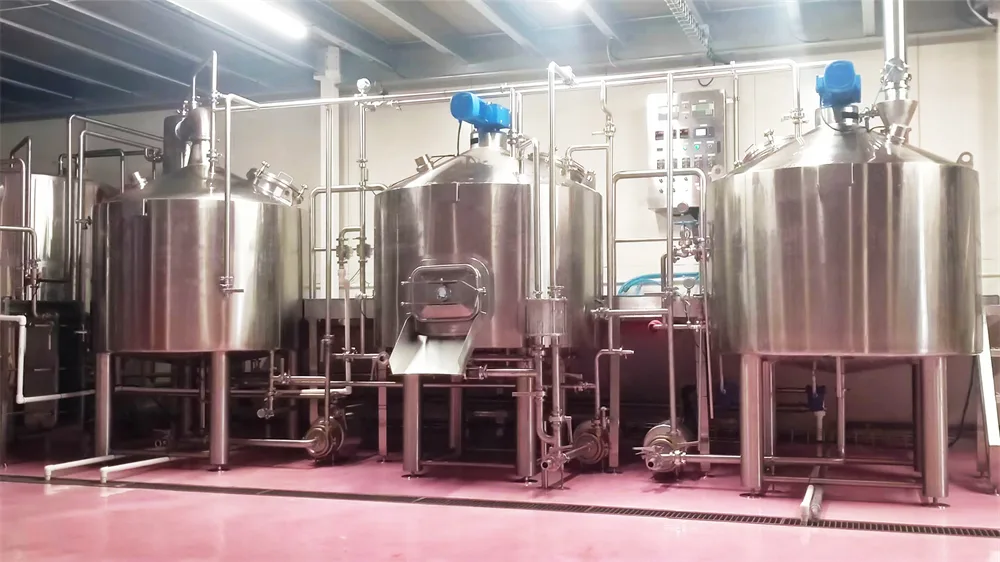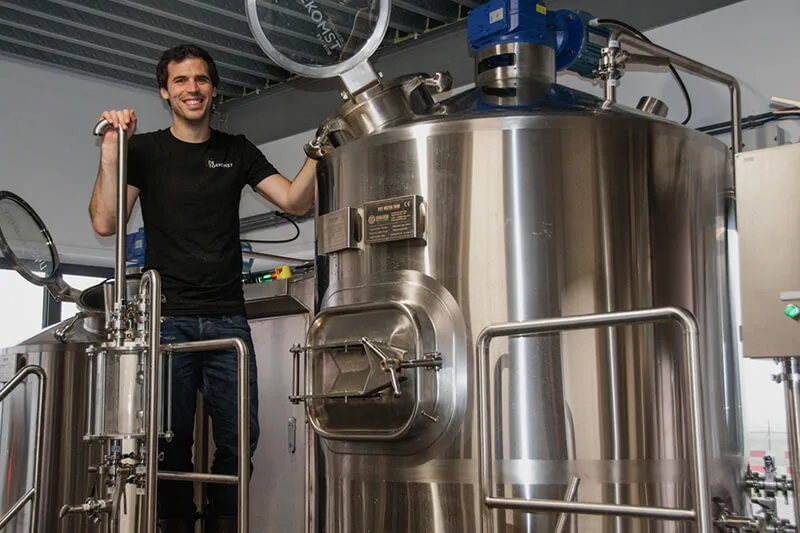
The charm of craft beer comes from its unique flavors and the brewer’s passion. However, with growing environmental challenges, sustainability is no longer optional—it is a responsibility every modern brewery must take seriously. High water and energy consumption are not only environmental issues, but also major operating costs.
La buena noticia es que, con la tecnología actual, la fabricación sostenible de cerveza ya no es sólo una idea. Es una inversión inteligente con claros beneficios económicos. El propio proceso de elaboración de cerveza tiene un gran potencial de ahorro energético. La elaboración tradicional de cerveza requiere mucho calor y a menudo derrocha grandes cantidades de energía. La elaboración de cerveza sostenible moderna se centra en la optimización del sistema y la circulación de la energía, recuperando el calor residual, reduciendo la demanda total de energía y utilizando fuentes de energía más limpias. El resultado es un menor consumo, una calidad de cerveza estable y un beneficio tanto para el medio ambiente como para la empresa.
1. The “Hidden Costs” of a Craft Brewery: Energy and Water You Don’t See
While brewers focus on malt, hops, and yeast, these numbers also matter:
- Water consumption: Traditional breweries may use 5–8 liters of water to produce 1 liter of beer. Most water is used for cooling and cleaning.
- Energy consumption: Heating (mashing and boiling) and cooling (wort cooling and fermentation temperature control) can account for over 60% of total energy costs.
These are real costs. Upgrading to efficient brewery equipment is one of the most effective ways to start green brewing.
2. Key Energy-Saving Technologies: Use Every Bit of Heat
2.1 Heat Recovery Systems: Turning Waste into Energy
In traditional brewhouses, steam from wort boiling is released into the air, wasting valuable heat.
Modern systems use condensers to recover heat from secondary steam and reuse it to preheat brewing water or mashing water. With hot water recovery above 80°C, breweries can reduce energy use by more than 20%.
2.2 Better Insulation and Piping Design
Heat loss does not only happen during production—it also happens while holding temperature.
Solutions include:
- Thicker tank walls with high-quality polyurethane insulation
- Food-grade stainless steel inner shells
- Insulated pipelines and optimized piping routes for hot wort transfer
Benefits: Less reheating, lower energy use, more stable processes, and better beer consistency.
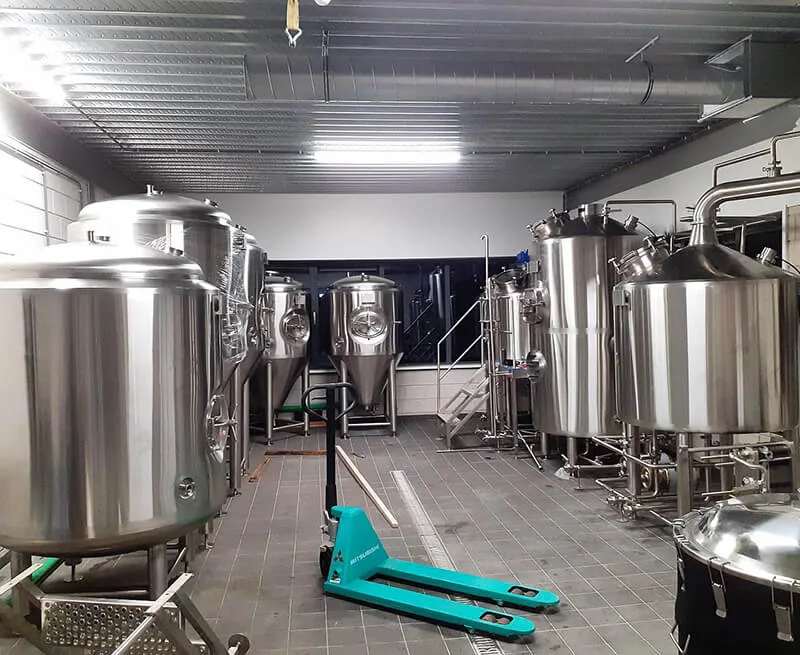
3. Water-Saving Innovations: Smarter Cleaning and Cooling
3.1 Upgraded CIP Systems: Efficient, Precise, and Water-Saving
Cleaning is essential—but it is also one of the biggest water users.
An advanced CIP (Clean-In-Place) system uses variable-speed pumps to control flow and pressure, creating strong cleaning action with less water. Rinse water from the final stage can be filtered and reused for pre-rinsing in the next cycle.
With a well-designed CIP system, total cleaning water use can be reduced by 40%–50%, while also lowering chemical use and wastewater load—without compromising hygiene standards.
3.2 Cooling Water Circulation and Efficient Condensing
Wort cooling traditionally consumes large amounts of fresh water.
A better solution is a plate heat exchanger combined with a closed-loop cooling water system. Cooling water is reused after being cooled by a cooling tower or chiller, with only small makeup water required.
Further optimization:
- Reuse warm cooling water for CIP pre-rinsing
- Use staged water management
- Improve CO₂ control during filling to reduce emissions
These steps ensure water and energy are fully utilized.
4. Return on Investment and Long-Term Value
With systematic brewery equipment upgrades, the typical payback period is 1.5 to 3 years. After that, lower water and energy bills directly increase profit.
More importantly, the brewery builds a strong green brand image that attracts environmentally conscious consumers.
5. Start Your Green Brewery with Professional Support
Every brewery is different in layout, production volume, and beer styles. Real energy and water savings require customized solutions.
With years of experience in brewery equipment manufacturing, we provide complete, low-emission, high-efficiency solutions for breweries focused on quality and sustainability. Whether you need a single energy-saving brewhouse upgrade or a full turnkey system with heat recovery and smart CIP water management, we are here to help.
Take action today. Brew a greener future.
Póngase en contacto con nosotros for a free brewery energy and water consumption assessment or a customized eco-friendly brewery equipment upgrade plan.
Let’s turn every drop of water and every unit of energy into better beer—and a better tomorrow.