In the world of craft beer, ingredients form the foundation—but fermentation is what gives beer its soul. Among all brewing techniques, low-temperature fermentation stands out as both a precise science and a refined art. It is not only the core process behind lager beer production, but also a powerful tool brewers use to precisely control flavor development.
The Foundation: Yeast Selection & Precise Temperature Control
The essence of low-temperature fermentation begins with choosing the right yeast and maintaining strict temperature control.
Lager Yeast: The Heart of Cold Fermentation
Lager yeast, also known as bottom-fermenting yeast, is specifically suited for cold fermentation. Unlike ale yeast, which thrives at higher temperatures, lager yeast operates best at 8–12°C (46–54°F).
At these lower temperatures, fermentation progresses slowly and steadily. Toward the end of the process, yeast naturally settles at the bottom of the fermenter, contributing to improved clarity.
Precision Temperature Control: The Brewer’s Key Tool
Temperature directly determines yeast metabolism and final beer flavor.
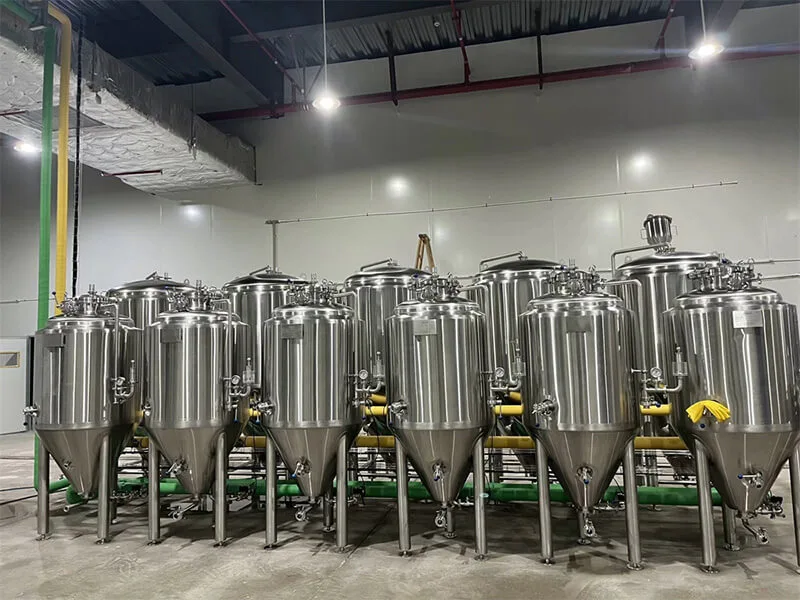
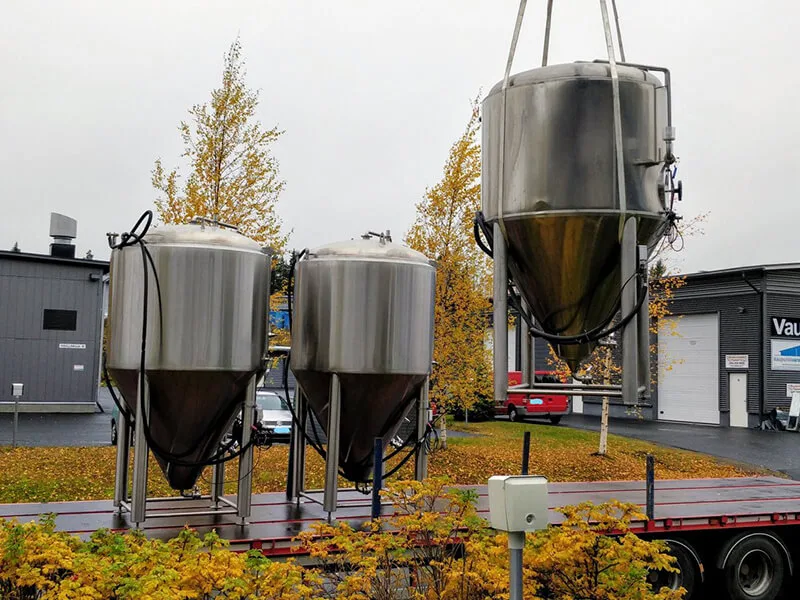
- Professional Equipment: Commercial breweries use jacketed conical fermenters with glycol cooling systems to regulate temperature with high precision. Importantly, brewers monitor the liquid temperature, not ambient temperature, since active fermentation generates heat.
- The Power of ±1°C: Even small fluctuations can significantly impact flavor. Low temperatures suppress the production of esters and phenols, preventing overly fruity or spicy notes. This results in a clean, crisp profile that highlights malt and hop character.
- Additionally, low temperatures reduce fusel alcohols, avoiding harsh solvent-like flavors and improving drinkability.
The Process: From Primary Fermentation to Lagering
Low-temperature fermentation is not a single-stage process—it involves multiple carefully controlled temperature phases.
Primary Fermentation
The cooled wort (8–12°C) is inoculated with lager yeast. Over 1–2 weeks, yeast converts sugars into alcohol and CO₂, forming the beer’s base flavor profile.
Diacetyl Rest
Near the end of primary fermentation, brewers raise the temperature slightly (typically 14–16°C / 57–61°F) for 1–2 days.
This step allows yeast to reabsorb and break down diacetyl, a compound that can cause unwanted buttery or off-flavors if left untreated.
Lagering (Cold Conditioning)
After fermentation, the beer is gradually cooled to near-freezing temperatures (0–4°C / 32–39°F) and stored for days or weeks.
This stage delivers multiple benefits:
- Clarity Improvement: Proteins, yeast, and particles settle out, producing bright, clear beer
- Flavor Maturation: Compounds integrate, resulting in a smoother, more balanced taste
- CO₂ Absorption: Cold temperatures improve carbonation, creating a fine, stable foam and crisp mouthfeel
Temperature Fluctuations: The Invisible Enemy of Craft Beer
Stable temperature control is essential. Fluctuations—whether sudden or sustained—can severely impact beer quality.
Impact on Yeast Health
- High-Temperature Stress: Excessive heat accelerates metabolism, causing premature yeast fatigue or death, potentially leading to stuck fermentation and off-flavors
- Low-Temperature Inhibition: Too cold, and yeast becomes sluggish, slowing or stalling fermentation and increasing contamination risk
Direct Damage to Flavor
- Off-Flavors: High temperatures increase esters and fusel alcohols, introducing solvent-like or overly fruity notes
- Diacetyl Retention: Temperature instability can prevent proper diacetyl reduction, leaving buttery or undesirable flavors
- Batch Inconsistency: Even identical recipes can yield different results if temperature control varies
Effects on Fermentation & Beer Quality
- Incomplete Fermentation: Leads to residual sugars, overly sweet beer, and lower alcohol content
- Poor Clarity: Temperature instability disrupts particle settling, resulting in hazy beer
結論
Low-temperature fermentation in craft brewing is a perfect balance of science and artistry. By selecting the right lager yeast and maintaining precise, stable temperature control throughout each stage—from primary fermentation to lagering—brewers can produce beers that are clean, crisp, and consistent in quality.
In the end, temperature is not just a parameter—it is a defining force that shapes the very soul of the beer.
👉 Contact us today for a custom brewhouse system design tailored to your production goals, budget, and future expansion plans.